THE ADVENTURE COLLECTIVE® · Independent discovery and booking for outdoor travel

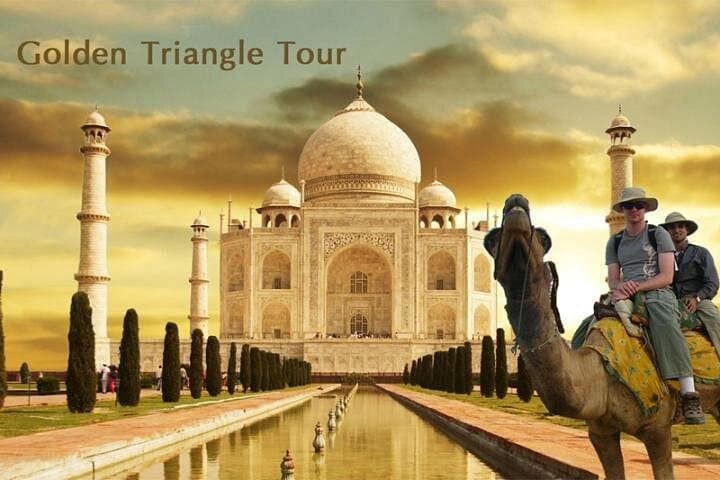
Spend seven days tracing Mughal marble and Rajput pink sandstone across New Delhi, Agra and Jaipur. This private Golden Triangle itinerary pairs timed sightseeing with local meals and cultural evenings to experience Diwali and Navratri traditions.
Spend seven days tracing Mughal marble and Rajput pink sandstone across New Delhi, Agra and Jaipur. This private Golden Triangle itinerary pairs timed sightseeing with local meals and cultural evenings to experience Diwali and Navratri traditions.
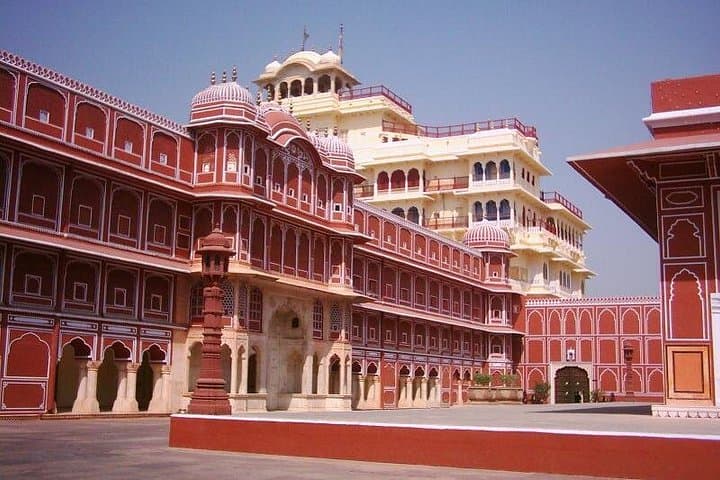
Dawn arrives over the city as rickshaws slip past colonial facades and saffron-clad vendors set up stalls — this is Delhi waking you to seven days of layered histories and shifting light. The Golden Triangle tour moves like a ribbon between three distinct urban characters: the political bustle of New Delhi, the marble hush of Agra and the rose-hued courts of Jaipur.
Verified experiences and guided adventures in the surrounding area.
Operated by INDIAN DISCOVERIES TOURS · New Delhi, Delhi
Dawn arrives over the city as rickshaws slip past colonial facades and saffron-clad vendors set up stalls — this is Delhi waking you to seven days of layered histories and shifting light. The Golden Triangle tour moves like a ribbon between three distinct urban characters: the political bustle of New Delhi, the marble hush of Agra and the rose-hued courts of Jaipur.
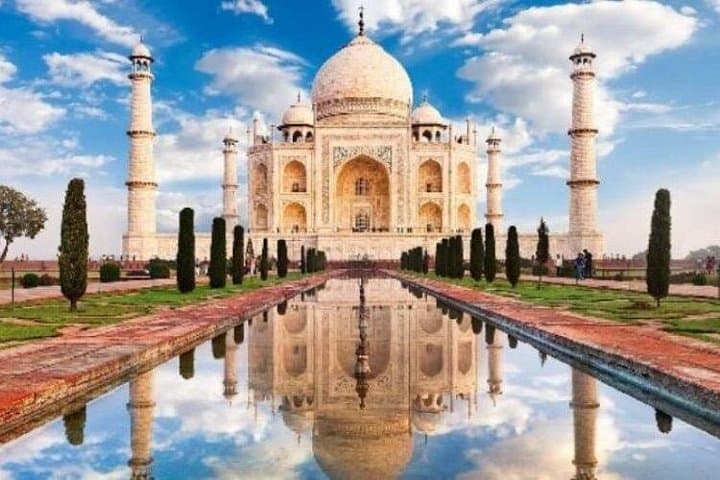
History here is tactile: Mughal ambition carved the Taj Mahal’s inlay, the Red Fort’s ramparts still frame imperial processions, and Fatehpur Sikri’s abandoned halls recall a hungry empire that outgrew its water supply. The region rests on alluvial plains drained by the Yamuna and Chambal rivers; the soft soils made large-scale Mughal masonry possible and define the flat approaches you’ll travel.
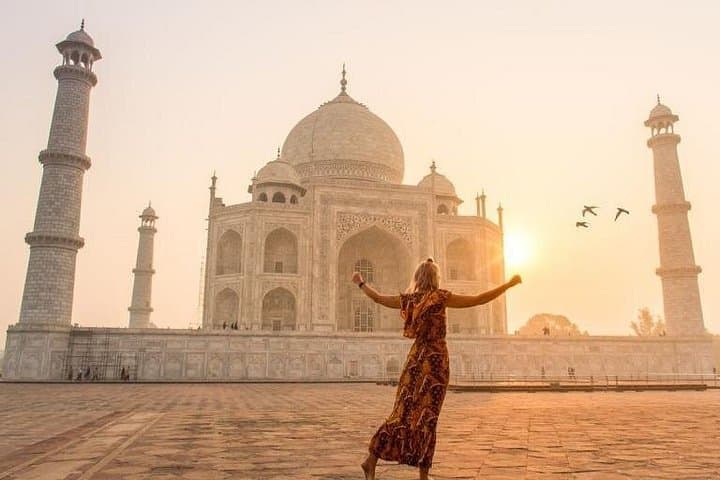
Culture is immediate — spice markets, markets selling block-printed textiles, evening aartis and family dinners that reveal Diwali rituals and Rajasthani hospitality. Local insights: sunrise at Mehtab Bagh offers a quieter Taj view, and smaller step-wells and bazaars in Jaipur give a more intimate sense of daily life than main tourist circuits.
Practical guidance: this private, accessible seven-day itinerary is low-impact physically but high on logistics — expect daily transfers by AC vehicle, hotel check-ins and short city walks. Carry sun protection, a comfortable daypack, photocopies of travel documents and small bills for tips and market purchases. Start early at major sites to avoid heat and crowds; modest dress is required at religious sites. Hydrate frequently and keep a flexible schedule to enjoy slow moments between monuments.
The Taj Mahal is closed on Fridays for prayer; plan your itinerary to visit on another day or enjoy a sunrise view from Mehtab Bagh on Fridays.
October to March offers cooler temperatures and festival season energy (Diwali and Navratri fall in autumn), while summer is very hot and monsoon brings heavy rains in June–September.
Most international visitors require an Indian visa obtained before arrival; check current health advisories and routine vaccinations with your doctor well before travel.
The itinerary notes wheelchair-accessible transport and sites where possible, but several monuments have stairs and uneven surfaces — notify the operator of accessibility needs in advance.
INDIAN DISCOVERIES TOURS operates guided outdoor trips and adventures with an emphasis on safety, stewardship, and memorable experiences.
Dawn arrives over the city as rickshaws slip past colonial facades and saffron-clad vendors set up stalls — this is Delhi waking you to seven days of layered histories and shifting light. The Golden Triangle tour moves like a ribbon between three distinct urban characters: the political bustle of New Delhi, the marble hush of Agra and the rose-hued courts of Jaipur.
Dawn arrives over the city as rickshaws slip past colonial facades and saffron-clad vendors set up stalls — this is Delhi waking you to seven days of layered histories and shifting light. The Golden Triangle tour moves like a ribbon between three distinct urban characters: the political bustle of New Delhi, the marble hush of Agra and the rose-hued courts of Jaipur.
History here is tactile: Mughal ambition carved the Taj Mahal’s inlay, the Red Fort’s ramparts still frame imperial processions, and Fatehpur Sikri’s abandoned halls recall a hungry empire that outgrew its water supply. The region rests on alluvial plains drained by the Yamuna and Chambal rivers; the soft soils made large-scale Mughal masonry possible and define the flat approaches you’ll travel.
Culture is immediate — spice markets, markets selling block-printed textiles, evening aartis and family dinners that reveal Diwali rituals and Rajasthani hospitality. Local insights: sunrise at Mehtab Bagh offers a quieter Taj view, and smaller step-wells and bazaars in Jaipur give a more intimate sense of daily life than main tourist circuits.
Practical guidance: this private, accessible seven-day itinerary is low-impact physically but high on logistics — expect daily transfers by AC vehicle, hotel check-ins and short city walks. Carry sun protection, a comfortable daypack, photocopies of travel documents and small bills for tips and market purchases. Start early at major sites to avoid heat and crowds; modest dress is required at religious sites. Hydrate frequently and keep a flexible schedule to enjoy slow moments between monuments.