THE ADVENTURE COLLECTIVE® · Independent discovery and booking for outdoor travel

Trace seven days through India’s celebrated Golden Triangle—Delhi’s layered capitals, Agra’s Taj Mahal at sunrise and Jaipur’s fort-lined hills. This private, guided route pairs efficient transfers with cultural depth and practical tips for timing, comfort, and local etiquette.
Trace seven days through India’s celebrated Golden Triangle—Delhi’s layered capitals, Agra’s Taj Mahal at sunrise and Jaipur’s fort-lined hills. This private, guided route pairs efficient transfers with cultural depth and practical tips for timing, comfort, and local etiquette.
Morning light threads between the minarets of Old Delhi and the first cymbal of traffic hums as your driver pulls away from the hotel. Over seven days the landscape slides from the frenetic lanes of New Delhi to the marble hush of the Taj Mahal and into Jaipur’s sun-baked fortresses — an itinerary paced for discovery rather than rush.
Verified experiences and guided adventures in the surrounding area.
Operated by Tour Guide Delhi · New Delhi, Delhi
Morning light threads between the minarets of Old Delhi and the first cymbal of traffic hums as your driver pulls away from the hotel. Over seven days the landscape slides from the frenetic lanes of New Delhi to the marble hush of the Taj Mahal and into Jaipur’s sun-baked fortresses — an itinerary paced for discovery rather than rush.
The route follows layers of history: Mughal tomb gardens, Lutyens’ imperial avenues, Akbar’s red sandstone palaces and the painted pink façades of Jaipur born in the 18th century. Geology matters here too — the Indo-Gangetic plain’s alluvial flatlands support the rivers and gardens that made these cities wealthy, while the Aravalli outcrops around Jaipur form the defensive ridges that inform its forts’ siting.
Expect a mix of guided walking tours, short drives between cities (roughly 3–5 hours per transfer), and timed visits at UNESCO-listed sites. Cultural notes: bargaining is part of market life, street food is vivid but variable in hygiene, and many heritage sites require modest dress and shoe removal in specific areas.
Practical transition: plan for early starts to catch Taj Mahal at sunrise, carry layered clothing for cool winter mornings and hot afternoons, and keep local currency handy for small purchases. Your private driver and city guides will handle logistics; your job is to pace yourself, stay hydrated, and let the architecture do the storytelling.
Yes—this private tour includes meet-and-greet and transfers between airports, hotels and sites by air-conditioned car as detailed in the itinerary.
October through March offers cooler temperatures and clearer skies; summer (April–June) is very hot and monsoon (July–September) brings heavy rains in parts.
The itinerary provides guided visits but confirm whether specific monument entrance fees are bundled with your booking; some sites require separate tickets or timed entries.
Most international visitors need a valid visa or e-Visa before arrival—check your country-specific entry requirements and apply in advance.
Tour Guide Delhi operates guided outdoor trips and adventures with an emphasis on safety, stewardship, and memorable experiences.

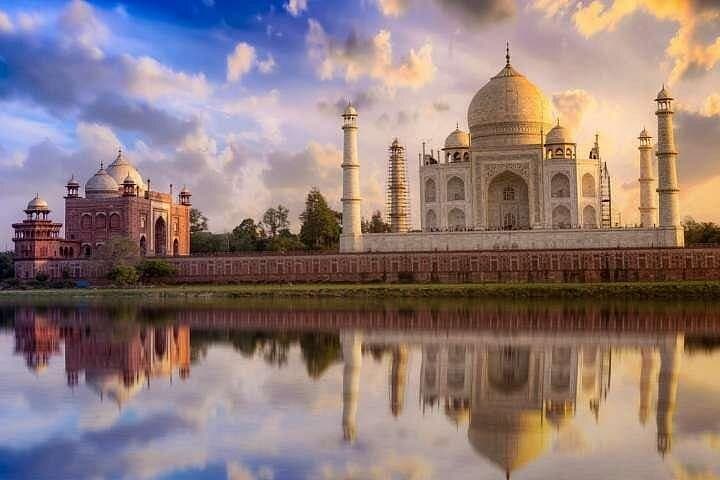

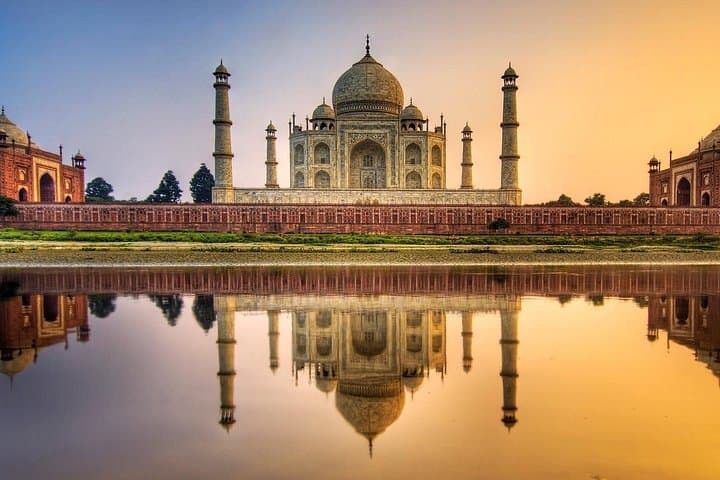
Morning light threads between the minarets of Old Delhi and the first cymbal of traffic hums as your driver pulls away from the hotel. Over seven days the landscape slides from the frenetic lanes of New Delhi to the marble hush of the Taj Mahal and into Jaipur’s sun-baked fortresses — an itinerary paced for discovery rather than rush.
Morning light threads between the minarets of Old Delhi and the first cymbal of traffic hums as your driver pulls away from the hotel. Over seven days the landscape slides from the frenetic lanes of New Delhi to the marble hush of the Taj Mahal and into Jaipur’s sun-baked fortresses — an itinerary paced for discovery rather than rush.
The route follows layers of history: Mughal tomb gardens, Lutyens’ imperial avenues, Akbar’s red sandstone palaces and the painted pink façades of Jaipur born in the 18th century. Geology matters here too — the Indo-Gangetic plain’s alluvial flatlands support the rivers and gardens that made these cities wealthy, while the Aravalli outcrops around Jaipur form the defensive ridges that inform its forts’ siting.
Expect a mix of guided walking tours, short drives between cities (roughly 3–5 hours per transfer), and timed visits at UNESCO-listed sites. Cultural notes: bargaining is part of market life, street food is vivid but variable in hygiene, and many heritage sites require modest dress and shoe removal in specific areas.
Practical transition: plan for early starts to catch Taj Mahal at sunrise, carry layered clothing for cool winter mornings and hot afternoons, and keep local currency handy for small purchases. Your private driver and city guides will handle logistics; your job is to pace yourself, stay hydrated, and let the architecture do the storytelling.