THE ADVENTURE COLLECTIVE® · Independent discovery and booking for outdoor travel

A seven‑day private circuit through Delhi, Agra and Jaipur, timed for sunrise or sunset at the Taj Mahal. This practical guide outlines what to expect—roads, timings, key stops and the gear and etiquette that make the trip smoother.
A seven‑day private circuit through Delhi, Agra and Jaipur, timed for sunrise or sunset at the Taj Mahal. This practical guide outlines what to expect—roads, timings, key stops and the gear and etiquette that make the trip smoother.
You step from an air‑conditioned car into a warm dawn outside the Taj Mahal—marble shifting color as the first light climbs the Yamuna. Over the next seven days the landscape keeps changing: Delhi’s broad avenues and crowded bazaars, Agra’s compact Mughal courts, and Jaipur’s sandstone ramparts and honeycombed facades.
Verified experiences and guided adventures in the surrounding area.
Operated by Vivek Handa, Tour Guide Delhi-Agra-Jaipur · New Delhi, Delhi
You step from an air‑conditioned car into a warm dawn outside the Taj Mahal—marble shifting color as the first light climbs the Yamuna. Over the next seven days the landscape keeps changing: Delhi’s broad avenues and crowded bazaars, Agra’s compact Mughal courts, and Jaipur’s sandstone ramparts and honeycombed facades.
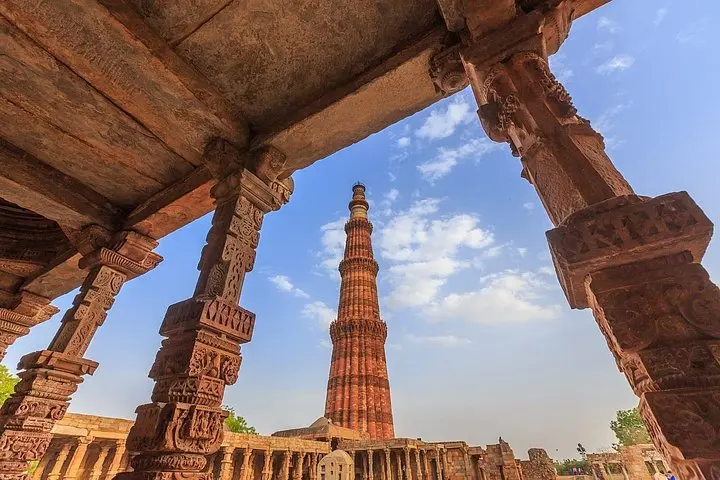
This loop through the Golden Triangle threads Mughal and Rajput history: Humayun’s Tomb and Qutub Minar in Delhi show Persianate garden tomb and minaret techniques; Agra’s Taj Mahal and Agra Fort reveal 17th‑century imperial scale; Jaipur’s Amber Fort and Jantar Mantar demonstrate Rajput architecture and early modern astronomy. Geologically you cross the Indo‑Gangetic plains—flat alluvial terrain that made these cities easy to connect by historic trade routes and today’s highways.
Culturally expect ritual, color and ritualized hospitality: guided visits include mosque and palace etiquette, and the built environment still reflects centuries of courtly patronage. Practicalities shape the trip—Delhi to Agra is ~200 km (3–4 hours by expressway), Jaipur sits ~240 km from Agra with stops at Fatehpur Sikri and Chand Baori (3,500 narrow steps). Plan early mornings for the Taj (guides commonly meet at 5:45 AM), light walking shoes for uneven stone floors and steps, and layered clothing for chilly mornings and hot afternoons.
Bring cash for small market purchases, respect dress codes at religious sites, and allow extra time for traffic when transferring between cities: the itinerary is compact but deliberately paced so you can see UNESCO highlights without rushing.
The itinerary schedules an early visit (typically 5:45 AM) and private guides handle tickets, but visibility depends on weather and operational hours—confirm timing with your operator.
Delhi–Agra is about 200 km (3–4 hours); Agra–Jaipur with stops is roughly 240 km (4–5 hours total including visits); Jaipur–Delhi return can be 4–5 hours by road depending on route and traffic.
This tour description notes guided visits and transfers; confirm whether monument entrance fees and Taj tickets are included when booking your chosen hotel/class option.
The tour lists wheelchair accessibility for transport, but many historic sites have steps and uneven ground—check specific site access in advance and request assistance as needed.
Vivek Handa, Tour Guide Delhi-Agra-Jaipur operates guided outdoor trips and adventures with an emphasis on safety, stewardship, and memorable experiences.

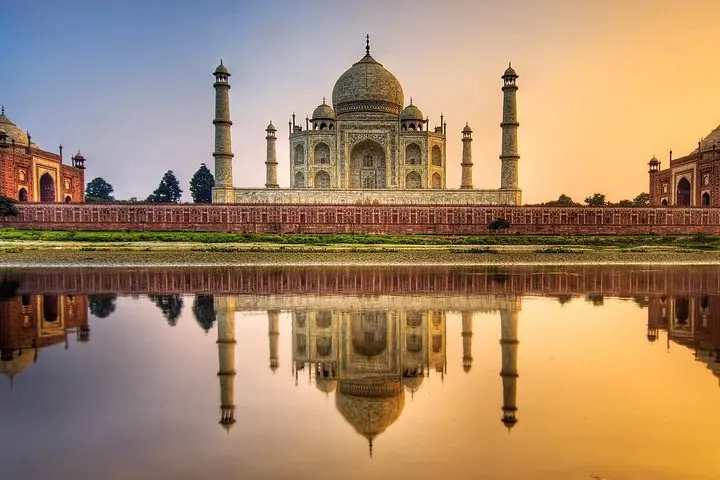
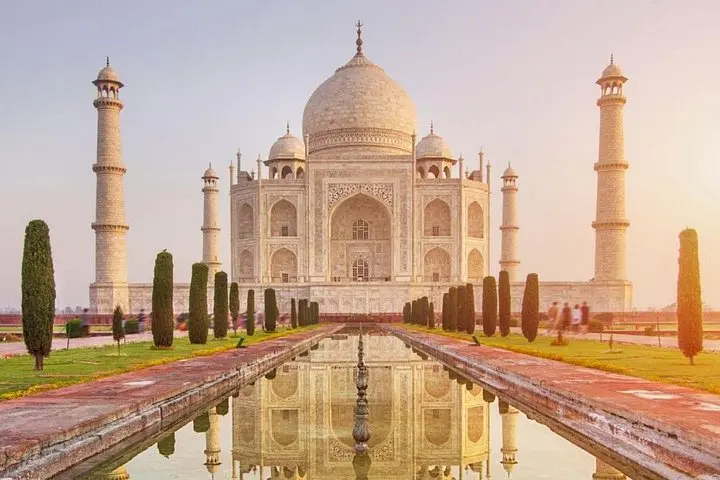
You step from an air‑conditioned car into a warm dawn outside the Taj Mahal—marble shifting color as the first light climbs the Yamuna. Over the next seven days the landscape keeps changing: Delhi’s broad avenues and crowded bazaars, Agra’s compact Mughal courts, and Jaipur’s sandstone ramparts and honeycombed facades.
You step from an air‑conditioned car into a warm dawn outside the Taj Mahal—marble shifting color as the first light climbs the Yamuna. Over the next seven days the landscape keeps changing: Delhi’s broad avenues and crowded bazaars, Agra’s compact Mughal courts, and Jaipur’s sandstone ramparts and honeycombed facades.
This loop through the Golden Triangle threads Mughal and Rajput history: Humayun’s Tomb and Qutub Minar in Delhi show Persianate garden tomb and minaret techniques; Agra’s Taj Mahal and Agra Fort reveal 17th‑century imperial scale; Jaipur’s Amber Fort and Jantar Mantar demonstrate Rajput architecture and early modern astronomy. Geologically you cross the Indo‑Gangetic plains—flat alluvial terrain that made these cities easy to connect by historic trade routes and today’s highways.
Culturally expect ritual, color and ritualized hospitality: guided visits include mosque and palace etiquette, and the built environment still reflects centuries of courtly patronage. Practicalities shape the trip—Delhi to Agra is ~200 km (3–4 hours by expressway), Jaipur sits ~240 km from Agra with stops at Fatehpur Sikri and Chand Baori (3,500 narrow steps). Plan early mornings for the Taj (guides commonly meet at 5:45 AM), light walking shoes for uneven stone floors and steps, and layered clothing for chilly mornings and hot afternoons.
Bring cash for small market purchases, respect dress codes at religious sites, and allow extra time for traffic when transferring between cities: the itinerary is compact but deliberately paced so you can see UNESCO highlights without rushing.