THE ADVENTURE COLLECTIVE® · Independent discovery and booking for outdoor travel

An 11‑day circuit through Delhi, Mandawa, Jodhpur, Jaipur, Ranthambore and Agra that pairs Mughal‑Rajput architecture with a two‑day tiger reserve safari. Expect long drives, early starts and a mix of city markets, forts and scrub forest wildlife.
An 11‑day circuit through Delhi, Mandawa, Jodhpur, Jaipur, Ranthambore and Agra that pairs Mughal‑Rajput architecture with a two‑day tiger reserve safari. Expect long drives, early starts and a mix of city markets, forts and scrub forest wildlife.
You step out of Delhi’s humid dawn into a city that keeps time with centuries—rickshaws chattering past Mughal gateways while glass-and-steel ministries watch from a distance.
Verified experiences and guided adventures in the surrounding area.
Operated by Agora Voyages Pvt. Ltd. · New Delhi, Delhi
You step out of Delhi’s humid dawn into a city that keeps time with centuries—rickshaws chattering past Mughal gateways while glass-and-steel ministries watch from a distance.
This 11‑day loop moves from Old Delhi’s spice-scented lanes to the frescoed havelis of Mandawa, the blue stone ramparts of Jodhpur and the pink sandstone palaces of Jaipur, pausing for wilderness at Ranthambore before the sunrise hush at the Taj Mahal. The landscape shifts from alluvial plains around the Yamuna to dry, folded Aravalli ridges; forts and palaces read like chapters of Rajput and Mughal rivalry in stone and marble.
Cultural cues are immediate: bazaars that trade in textiles and saffron, temple bells and mosque calls layering the soundscape, and regional cuisines that prefer heat and bold spices. Ranthambore’s scrub—dry teak and thorny acacia—hosts wildlife that prefers the patience of dawn; the forest seems to hold its breath, daring you to look.
Practical guidance: pack light, breathable layers for daytime heat and cooler mornings; plan early starts—the best light and smaller crowds are at first entry. Expect long drives between cities (several 3–6 hour stretches); comfortable transport and local guides are integral. Bring binoculars for safaris, sunscreen and a refillable bottle; hydration and comfortable walking shoes make daily sightseeing manageable.
This itinerary balances architectural immersion, market exploration and a dose of wilderness. With measured pacing and a local guide, it’s an approachable deep dive into northern India’s layered history and natural contrasts.
Most foreign nationals require a valid Indian visa; check current e‑visa or sticker visa requirements for your nationality and apply before travel.
October to March offers cooler weather and higher tiger sighting chances as wildlife visits waterholes; summers are hot and monsoon months reduce road and sighting reliability.
Major sites offer partial accessibility (ramps and assistance at some entrances) but many older forts and havelis have stairs and uneven floors—advance requests for support are recommended.
Carry Indian Rupees (INR); tipping is customary—drivers and guides expect modest tips, and restaurant/service staff generally receive small gratuities.
Agora Voyages Pvt. Ltd. operates guided outdoor trips and adventures with an emphasis on safety, stewardship, and memorable experiences.
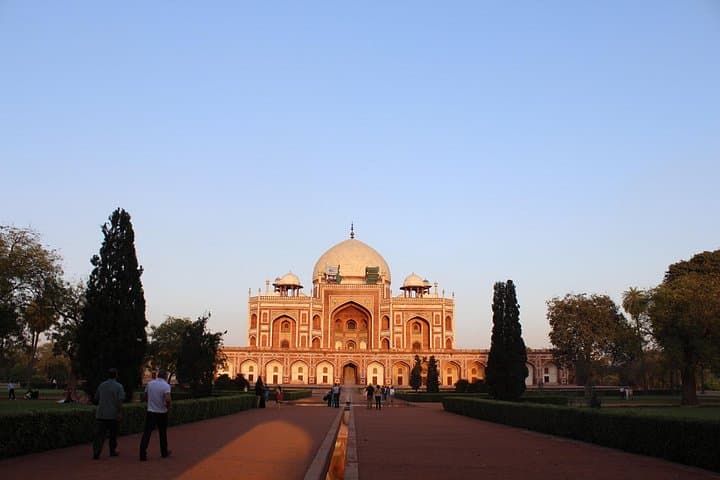
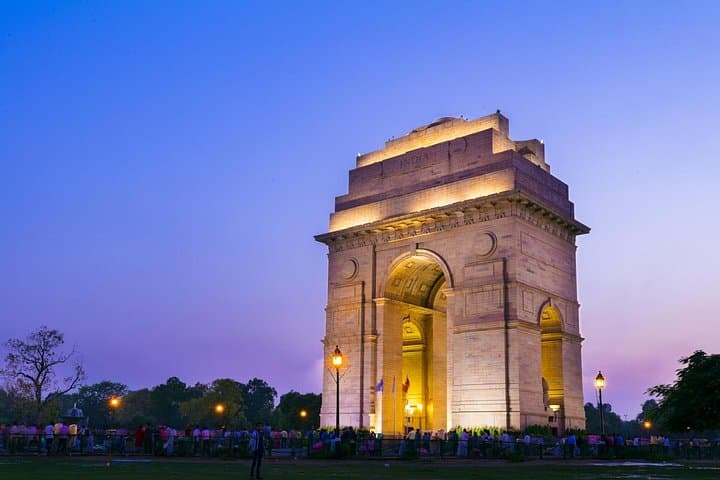
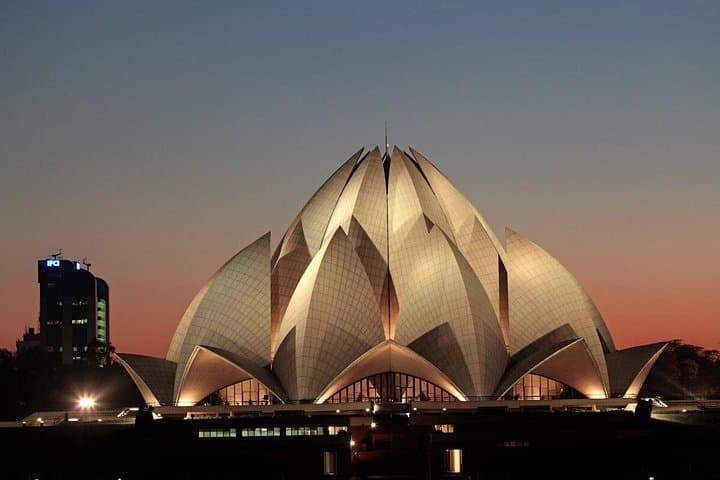
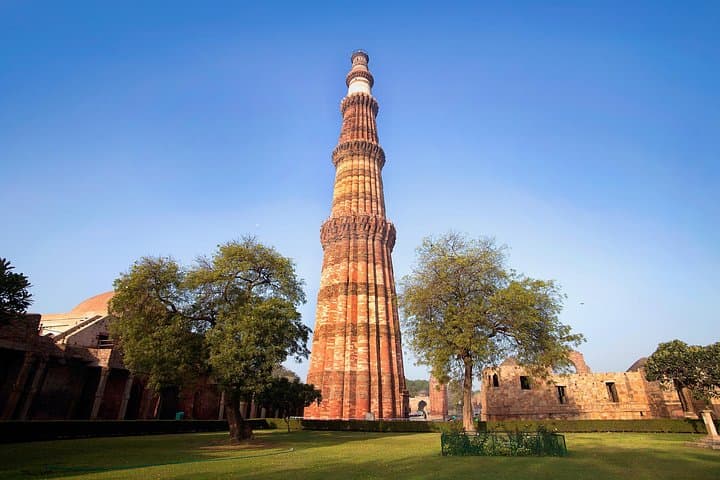
You step out of Delhi’s humid dawn into a city that keeps time with centuries—rickshaws chattering past Mughal gateways while glass-and-steel ministries watch from a distance.
You step out of Delhi’s humid dawn into a city that keeps time with centuries—rickshaws chattering past Mughal gateways while glass-and-steel ministries watch from a distance.
This 11‑day loop moves from Old Delhi’s spice-scented lanes to the frescoed havelis of Mandawa, the blue stone ramparts of Jodhpur and the pink sandstone palaces of Jaipur, pausing for wilderness at Ranthambore before the sunrise hush at the Taj Mahal. The landscape shifts from alluvial plains around the Yamuna to dry, folded Aravalli ridges; forts and palaces read like chapters of Rajput and Mughal rivalry in stone and marble.
Cultural cues are immediate: bazaars that trade in textiles and saffron, temple bells and mosque calls layering the soundscape, and regional cuisines that prefer heat and bold spices. Ranthambore’s scrub—dry teak and thorny acacia—hosts wildlife that prefers the patience of dawn; the forest seems to hold its breath, daring you to look.
Practical guidance: pack light, breathable layers for daytime heat and cooler mornings; plan early starts—the best light and smaller crowds are at first entry. Expect long drives between cities (several 3–6 hour stretches); comfortable transport and local guides are integral. Bring binoculars for safaris, sunscreen and a refillable bottle; hydration and comfortable walking shoes make daily sightseeing manageable.
This itinerary balances architectural immersion, market exploration and a dose of wilderness. With measured pacing and a local guide, it’s an approachable deep dive into northern India’s layered history and natural contrasts.