THE ADVENTURE COLLECTIVE® · Independent discovery and booking for outdoor travel

Combine Delhi’s monuments, the Taj’s sunrise glow and Jaipur’s palaces with morning and evening safaris in Ranthambore. This five-day circuit balances cultural highlights and real wildlife encounters—plan early starts, muted clothing, and binoculars.
Combine Delhi’s monuments, the Taj’s sunrise glow and Jaipur’s palaces with morning and evening safaris in Ranthambore. This five-day circuit balances cultural highlights and real wildlife encounters—plan early starts, muted clothing, and binoculars.
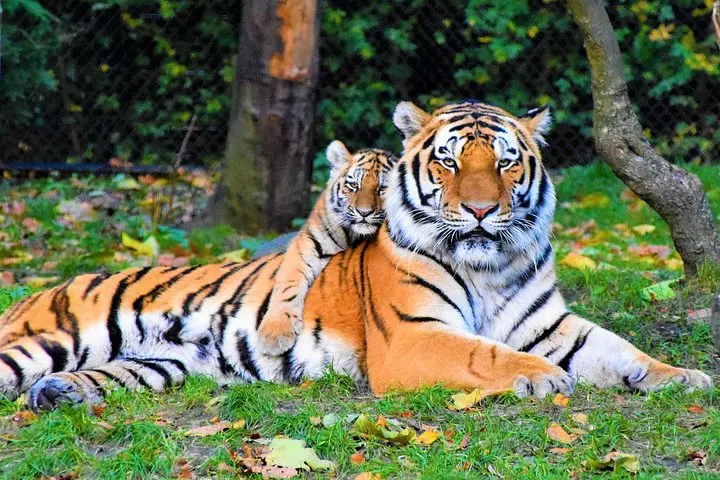
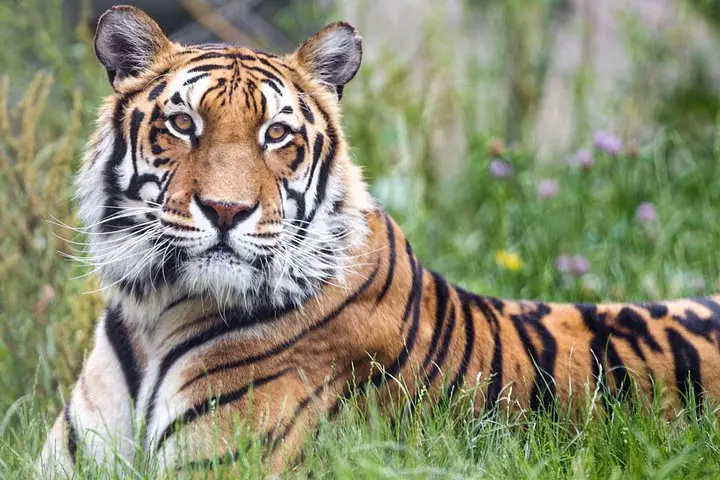
Dawn in Ranthambore arrives on a dry wind that moves the dry grasses like a slow current; jeeps rattle through teak and acacia while guides scan waterholes for movement. The five-day Golden Triangle with Ranthambore pairs that early-morning vigilance with the dense urban history of Delhi, the white-marble ritual of Agra and the pink-stone grandeur of Jaipur.
Verified experiences and guided adventures in the surrounding area.
Operated by Agra Voyage · Sawai Madhopur, Rajasthan
Dawn in Ranthambore arrives on a dry wind that moves the dry grasses like a slow current; jeeps rattle through teak and acacia while guides scan waterholes for movement. The five-day Golden Triangle with Ranthambore pairs that early-morning vigilance with the dense urban history of Delhi, the white-marble ritual of Agra and the pink-stone grandeur of Jaipur.
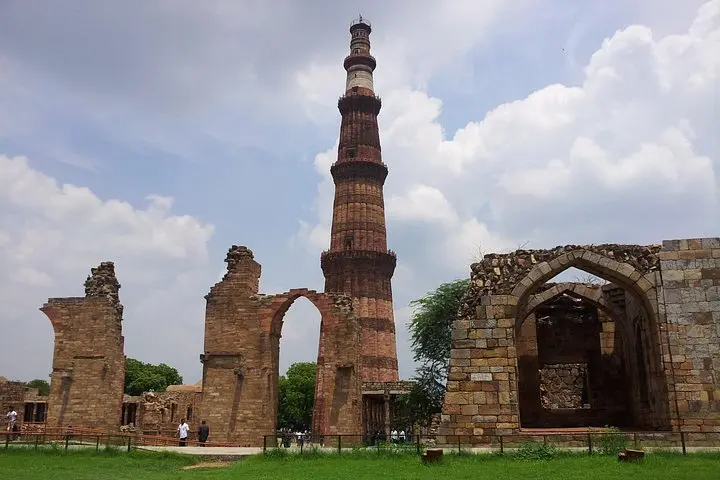
This route threads Mughal monuments—Jama Masjid, Red Fort, Fatehpur Sikri, Taj Mahal—with Rajput forts and palaces. Geologically, the Aravalli spurs near Jaipur give the region its low rocky ridges and seasonal lakes; the Ranthambore plateau is an uplifted outcrop dotted with boulders that formed natural citadels and watering sites wildlife favor. Culturally, markets from Chandni Chowk to Jaipur’s bazaars bring living crafts and Rajasthani painting traditions into the itinerary.
Practically, expect two full travel days plus two nights of targeted wildlife activity: morning and evening safaris in shared jeeps or canters around Ranthambore’s sectors. Safaris are observational—tigers are wild, sightings aren’t guaranteed—but early starts, quiet behavior and binoculars increase chances. Dress in muted colors, carry refillable water, and schedule Taj Mahal at sunrise for best light and fewer crowds. Transport is by air-conditioned vehicle; accommodations typically range 3–5 star with breakfast included.
Timing matters: safaris operate with strict morning/evening windows and roads are busiest between cities. Read permit rules, keep camera gear ready, and let the landscape’s rhythms set your day: ancient stone drawing your attention in one moment, the forest daring you to look again the next.
No—tigers are wild and sightings depend on season, luck and animal movement; guides increase chances through experience and by focusing on active waterholes and trails.
Safaris usually run in two windows: early morning around sunrise and late afternoon into evening; exact times vary by season and park schedules.
Travelers should check visa requirements for India and consult a healthcare provider for recommended vaccinations well before travel.
The tour notes say it’s physically easy and wheelchair accessible in many city stops, but safaris require jeep access and may be bumpy—check with the operator about vehicle accommodations.
Agra Voyage operates guided outdoor trips and adventures with an emphasis on safety, stewardship, and memorable experiences.

Dawn in Ranthambore arrives on a dry wind that moves the dry grasses like a slow current; jeeps rattle through teak and acacia while guides scan waterholes for movement. The five-day Golden Triangle with Ranthambore pairs that early-morning vigilance with the dense urban history of Delhi, the white-marble ritual of Agra and the pink-stone grandeur of Jaipur.
Dawn in Ranthambore arrives on a dry wind that moves the dry grasses like a slow current; jeeps rattle through teak and acacia while guides scan waterholes for movement. The five-day Golden Triangle with Ranthambore pairs that early-morning vigilance with the dense urban history of Delhi, the white-marble ritual of Agra and the pink-stone grandeur of Jaipur.
This route threads Mughal monuments—Jama Masjid, Red Fort, Fatehpur Sikri, Taj Mahal—with Rajput forts and palaces. Geologically, the Aravalli spurs near Jaipur give the region its low rocky ridges and seasonal lakes; the Ranthambore plateau is an uplifted outcrop dotted with boulders that formed natural citadels and watering sites wildlife favor. Culturally, markets from Chandni Chowk to Jaipur’s bazaars bring living crafts and Rajasthani painting traditions into the itinerary.
Practically, expect two full travel days plus two nights of targeted wildlife activity: morning and evening safaris in shared jeeps or canters around Ranthambore’s sectors. Safaris are observational—tigers are wild, sightings aren’t guaranteed—but early starts, quiet behavior and binoculars increase chances. Dress in muted colors, carry refillable water, and schedule Taj Mahal at sunrise for best light and fewer crowds. Transport is by air-conditioned vehicle; accommodations typically range 3–5 star with breakfast included.
Timing matters: safaris operate with strict morning/evening windows and roads are busiest between cities. Read permit rules, keep camera gear ready, and let the landscape’s rhythms set your day: ancient stone drawing your attention in one moment, the forest daring you to look again the next.