THE ADVENTURE COLLECTIVE® · Independent discovery and booking for outdoor travel

This 7-day loop mixes Delhi, Agra and Jaipur sightseeing with two full days of Ranthambore jeep safaris. Expect long drives, early starts, and strong chances to see tigers and classic Mughal and Rajput architecture.
This 7-day loop mixes Delhi, Agra and Jaipur sightseeing with two full days of Ranthambore jeep safaris. Expect long drives, early starts, and strong chances to see tigers and classic Mughal and Rajput architecture.
You step out before dawn, the jeep rumbling through scrub and dry sal forest as the jungle wakes—birds call, langurs skitter, and the scent of earth rises with the sun. This multi-city itinerary stitches New Delhi’s imperial avenues to Agra’s marble hush and Jaipur’s pink façades, then drops you into the raw heat of Ranthambore National Park for morning and evening jeep safaris that aim to reveal Bengal tigers and the park’s resident deer and leopard.
Verified experiences and guided adventures in the surrounding area.
Operated by 707 TOURS · Sawai Madhopur, Rajasthan
You step out before dawn, the jeep rumbling through scrub and dry sal forest as the jungle wakes—birds call, langurs skitter, and the scent of earth rises with the sun. This multi-city itinerary stitches New Delhi’s imperial avenues to Agra’s marble hush and Jaipur’s pink façades, then drops you into the raw heat of Ranthambore National Park for morning and evening jeep safaris that aim to reveal Bengal tigers and the park’s resident deer and leopard.
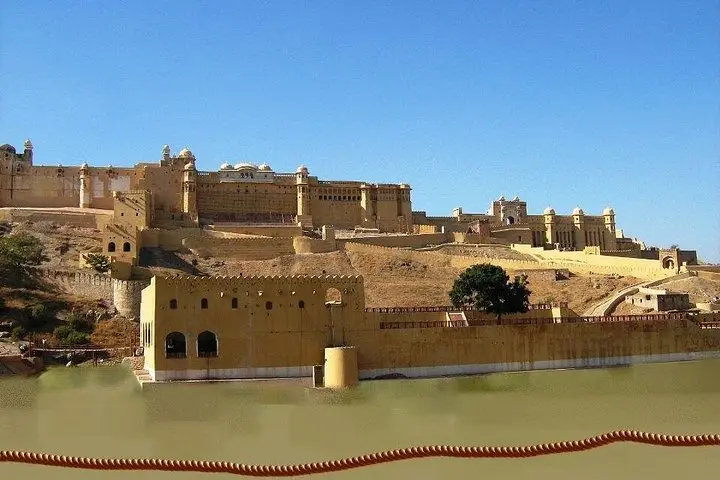
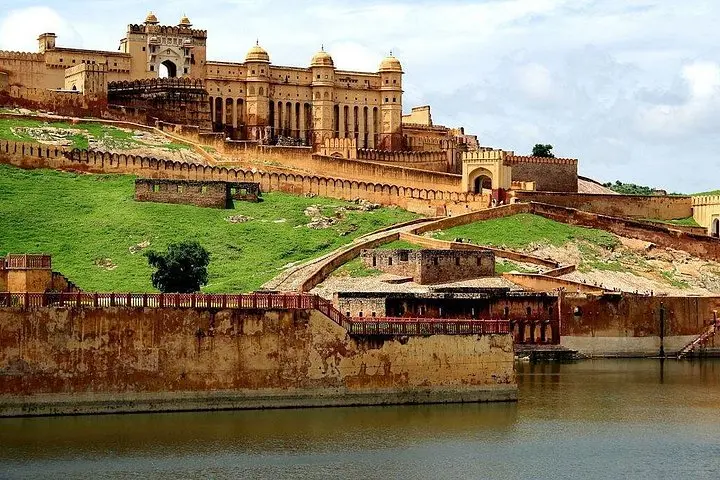
The route follows a living timeline: Mughal mausoleums and forts in Agra and Delhi, and Rajput hill forts around Jaipur. Geologically the region sits on Deccan and Indo-Gangetic plains—broad alluvial lowlands near the Yamuna, giving way to the rocky Aravalli spurs around Jaipur and the granite outcrops that shelter Ranthambore’s ancient fort. Culturally, each stop offers different crafts, cuisines, and palace architecture shaped by centuries of Mughal and Rajput rule.
Practical edge: expect multiple 3–6 hour drives (Delhi–Agra ~220 km), early starts for safaris, and dusty tracks in the park. Safaris are cold pre-dawn and hot by noon—layering matters. Carry local ID and printed confirmations for park entry, and keep small cash for tips and market purchases. Binoculars and a zoom lens materially increase your chance to enjoy wildlife sightings. Allow extra time at monuments to beat crowds and plan for vehicle transfers between cities; accommodations here typically include breakfast and two dinners plus English-speaking guides. With steady logistics and early mornings, this trip balances big-city heritage with true wildlife-time in Ranthambore.
Cooler, dry months from October to March offer the best visibility, as animals concentrate near water and vegetation is lower; early mornings and late afternoons are prime times.
No—sightings depend on animal movement and luck; however, the park’s jeep safaris and experienced guides significantly improve your chances.
No specific vaccinations are universally required, but bring routine vaccines up to date and carry any personal medications; check travel health advice for India before departure.
Typical drives are Delhi–Agra about 3–4 hours (≈220 km); Agra–Ranthambore and Jaipur–Delhi are longer, commonly 4–6 hours depending on traffic and route.
707 TOURS operates guided outdoor trips and adventures with an emphasis on safety, stewardship, and memorable experiences.
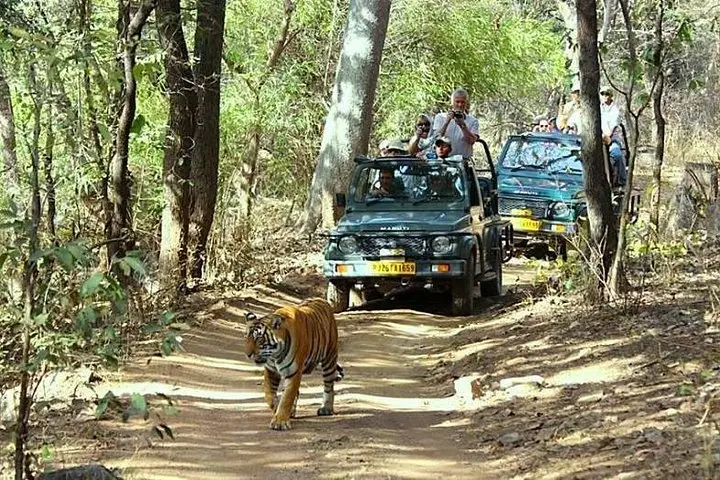
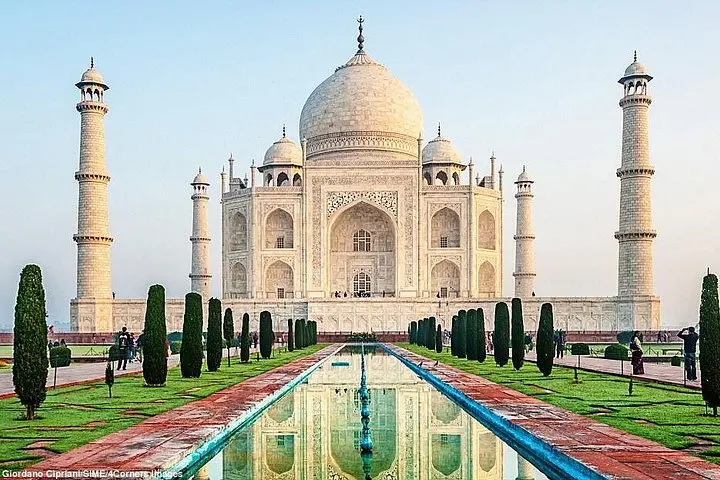
You step out before dawn, the jeep rumbling through scrub and dry sal forest as the jungle wakes—birds call, langurs skitter, and the scent of earth rises with the sun. This multi-city itinerary stitches New Delhi’s imperial avenues to Agra’s marble hush and Jaipur’s pink façades, then drops you into the raw heat of Ranthambore National Park for morning and evening jeep safaris that aim to reveal Bengal tigers and the park’s resident deer and leopard.
You step out before dawn, the jeep rumbling through scrub and dry sal forest as the jungle wakes—birds call, langurs skitter, and the scent of earth rises with the sun. This multi-city itinerary stitches New Delhi’s imperial avenues to Agra’s marble hush and Jaipur’s pink façades, then drops you into the raw heat of Ranthambore National Park for morning and evening jeep safaris that aim to reveal Bengal tigers and the park’s resident deer and leopard.
The route follows a living timeline: Mughal mausoleums and forts in Agra and Delhi, and Rajput hill forts around Jaipur. Geologically the region sits on Deccan and Indo-Gangetic plains—broad alluvial lowlands near the Yamuna, giving way to the rocky Aravalli spurs around Jaipur and the granite outcrops that shelter Ranthambore’s ancient fort. Culturally, each stop offers different crafts, cuisines, and palace architecture shaped by centuries of Mughal and Rajput rule.
Practical edge: expect multiple 3–6 hour drives (Delhi–Agra ~220 km), early starts for safaris, and dusty tracks in the park. Safaris are cold pre-dawn and hot by noon—layering matters. Carry local ID and printed confirmations for park entry, and keep small cash for tips and market purchases. Binoculars and a zoom lens materially increase your chance to enjoy wildlife sightings. Allow extra time at monuments to beat crowds and plan for vehicle transfers between cities; accommodations here typically include breakfast and two dinners plus English-speaking guides. With steady logistics and early mornings, this trip balances big-city heritage with true wildlife-time in Ranthambore.