THE ADVENTURE COLLECTIVE® · Independent discovery and booking for outdoor travel

An eight-day circuit from Delhi through Agra and Jaipur, then on to the sacred riverbanks of Haridwar and Rishikesh. Expect sunrise at the Taj, fort climbs in Jaipur, and the Ganges aarti—paired with long driving days and early starts.
An eight-day circuit from Delhi through Agra and Jaipur, then on to the sacred riverbanks of Haridwar and Rishikesh. Expect sunrise at the Taj, fort climbs in Jaipur, and the Ganges aarti—paired with long driving days and early starts.
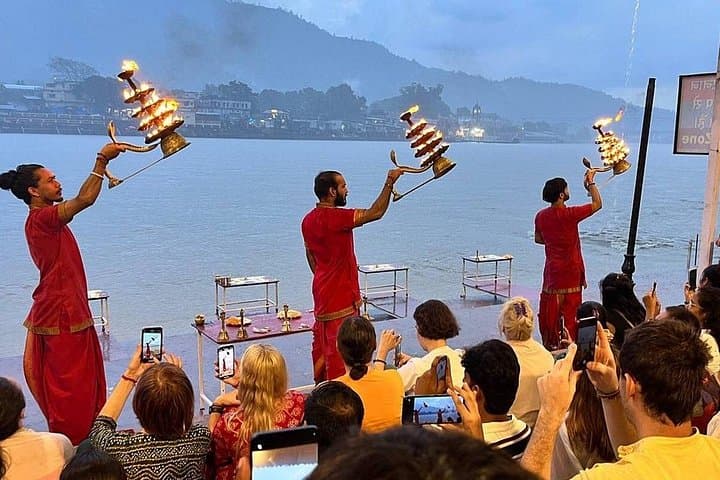
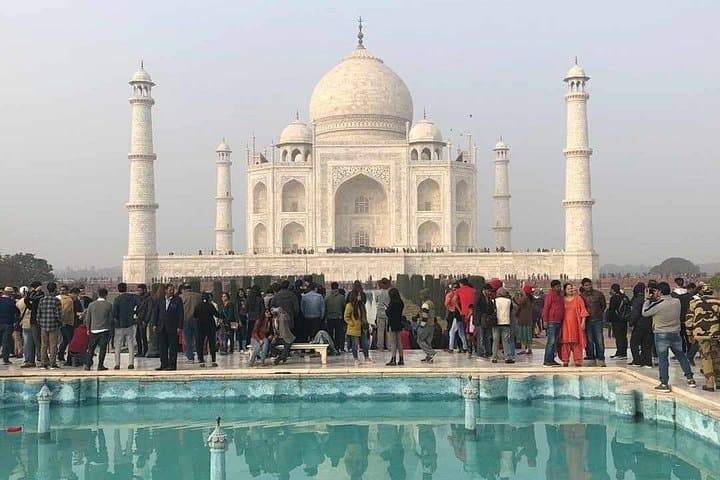
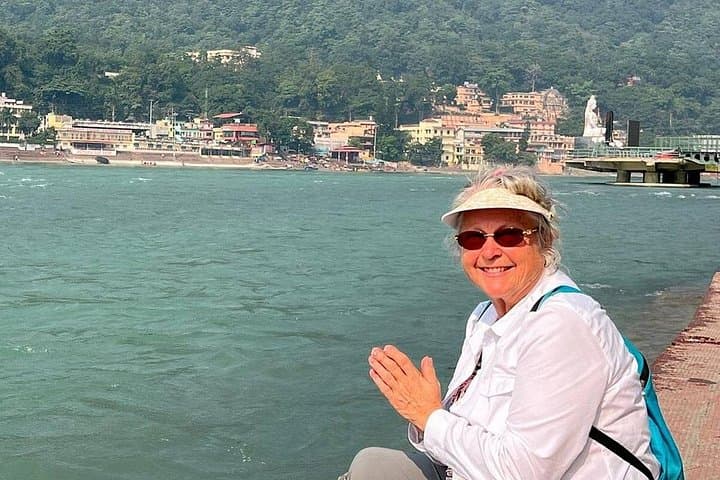
You step out into a Delhi dawn where traffic hums and birds ride the thermal pockets above Lodi Gardens; by the third morning the Taj greets you in pale pink at sunrise and the Ganges chants an evening aarti that seems to pull the sky low. This eight-day circuit moves fast—Delhi’s Mughal lanes and colonial boulevards, Agra’s riverside silhouette of the Taj, Jaipur’s fortified Amer perched on Aravalli slopes, then the spiritual banks of Haridwar and the riverfront ashrams of Rishikesh.
Verified experiences and guided adventures in the surrounding area.
Operated by Indian Golden Triangle Tour · New Delhi, Delhi
You step out into a Delhi dawn where traffic hums and birds ride the thermal pockets above Lodi Gardens; by the third morning the Taj greets you in pale pink at sunrise and the Ganges chants an evening aarti that seems to pull the sky low. This eight-day circuit moves fast—Delhi’s Mughal lanes and colonial boulevards, Agra’s riverside silhouette of the Taj, Jaipur’s fortified Amer perched on Aravalli slopes, then the spiritual banks of Haridwar and the riverfront ashrams of Rishikesh.
Architecturally the route traces Mughal ambition and Rajput patronage: Qutub Minar and Red Fort in Delhi, Agra Fort and the Taj Mahal’s marble inlay, Jaipur’s City Palace and Jantar Mantar. Geologically, the Aravalli Range that cradles Amer is one of India’s oldest ridgelines, a dry, rocky contrast to the alluvial plains around the Yamuna and Ganges. Culturally, expect ritual rhythms—the evening aarti at Har Ki Pauri and the disciplined hush of Rishikesh’s yoga centers—mixed with the marketplaces’ bargaining cadence.
Practical guide: plan for long drives—Delhi to Agra ~3–4 hours by expressway; Jaipur to Delhi ~5 hours (≈280 km); Haridwar is ~220 km from Delhi; Rishikesh is ~21 km from Haridwar. Early starts matter—Taj sunrise pickups often leave before 6:00 AM. Dress modestly at temples, carry sunscreen and a refillable water bottle, and leave room for cobblestones and stair climbs at forts. Hotels are typically 3–5 star; breakfasts are included most days. Pace your itinerary: mornings for monuments, afternoons for travel, evenings for riverside ceremonies.
Entrance fees and special monument tickets (e.g., Taj Mahal sunrise slots) are often not included—confirm with the operator and budget for admissions.
Expect moderate walking: guided tours with several hours standing and walking on uneven surfaces and steps; plan comfortable footwear.
Yes—accommodations and transport are provided and the tour is paced for general comfort, but it involves early mornings and some walking; check medical needs beforehand.
October to March offers cooler temperatures and clearer skies; summers are hot (April–June) and monsoon (July–September) brings heavy rains in parts of northern India.
Indian Golden Triangle Tour operates guided outdoor trips and adventures with an emphasis on safety, stewardship, and memorable experiences.
You step out into a Delhi dawn where traffic hums and birds ride the thermal pockets above Lodi Gardens; by the third morning the Taj greets you in pale pink at sunrise and the Ganges chants an evening aarti that seems to pull the sky low. This eight-day circuit moves fast—Delhi’s Mughal lanes and colonial boulevards, Agra’s riverside silhouette of the Taj, Jaipur’s fortified Amer perched on Aravalli slopes, then the spiritual banks of Haridwar and the riverfront ashrams of Rishikesh.
You step out into a Delhi dawn where traffic hums and birds ride the thermal pockets above Lodi Gardens; by the third morning the Taj greets you in pale pink at sunrise and the Ganges chants an evening aarti that seems to pull the sky low. This eight-day circuit moves fast—Delhi’s Mughal lanes and colonial boulevards, Agra’s riverside silhouette of the Taj, Jaipur’s fortified Amer perched on Aravalli slopes, then the spiritual banks of Haridwar and the riverfront ashrams of Rishikesh.
Architecturally the route traces Mughal ambition and Rajput patronage: Qutub Minar and Red Fort in Delhi, Agra Fort and the Taj Mahal’s marble inlay, Jaipur’s City Palace and Jantar Mantar. Geologically, the Aravalli Range that cradles Amer is one of India’s oldest ridgelines, a dry, rocky contrast to the alluvial plains around the Yamuna and Ganges. Culturally, expect ritual rhythms—the evening aarti at Har Ki Pauri and the disciplined hush of Rishikesh’s yoga centers—mixed with the marketplaces’ bargaining cadence.
Practical guide: plan for long drives—Delhi to Agra ~3–4 hours by expressway; Jaipur to Delhi ~5 hours (≈280 km); Haridwar is ~220 km from Delhi; Rishikesh is ~21 km from Haridwar. Early starts matter—Taj sunrise pickups often leave before 6:00 AM. Dress modestly at temples, carry sunscreen and a refillable water bottle, and leave room for cobblestones and stair climbs at forts. Hotels are typically 3–5 star; breakfasts are included most days. Pace your itinerary: mornings for monuments, afternoons for travel, evenings for riverside ceremonies.