THE ADVENTURE COLLECTIVE® · Independent discovery and booking for outdoor travel

A packed three-day private loop from Delhi linking the Taj, Agra Fort and Amber Fort with the world-renowned Keoladeo (Bharatpur) bird sanctuary. Expect early starts, long drives and concentrated birdwatching at sunrise.
A packed three-day private loop from Delhi linking the Taj, Agra Fort and Amber Fort with the world-renowned Keoladeo (Bharatpur) bird sanctuary. Expect early starts, long drives and concentrated birdwatching at sunrise.
Dawn in Delhi feels deliberate — the city exhales as your private car slips onto the expressway and the silhouette of minarets and domes fades into flat, sun-baked plains.
Verified experiences and guided adventures in the surrounding area.
Operated by Pacific Classic Tours India · New Delhi, Delhi
Dawn in Delhi feels deliberate — the city exhales as your private car slips onto the expressway and the silhouette of minarets and domes fades into flat, sun-baked plains.
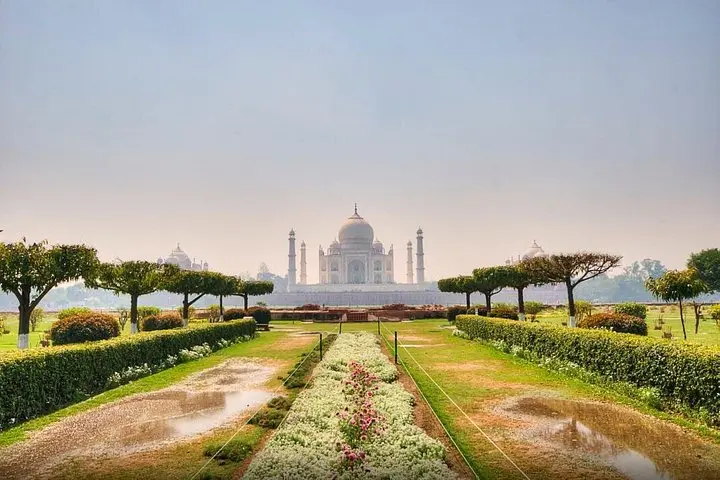
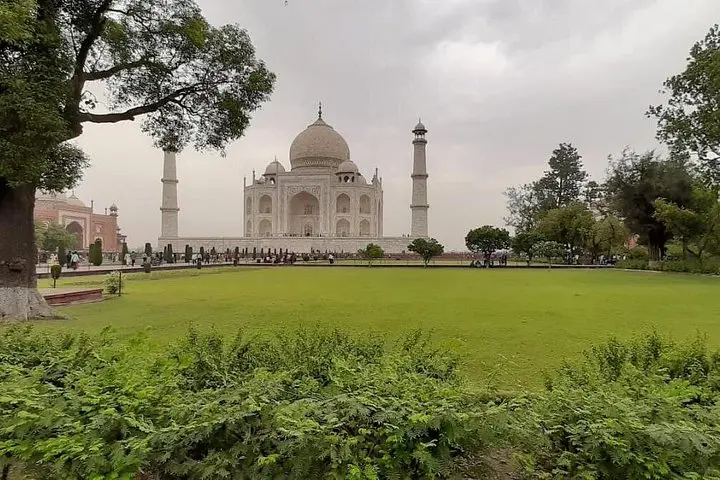
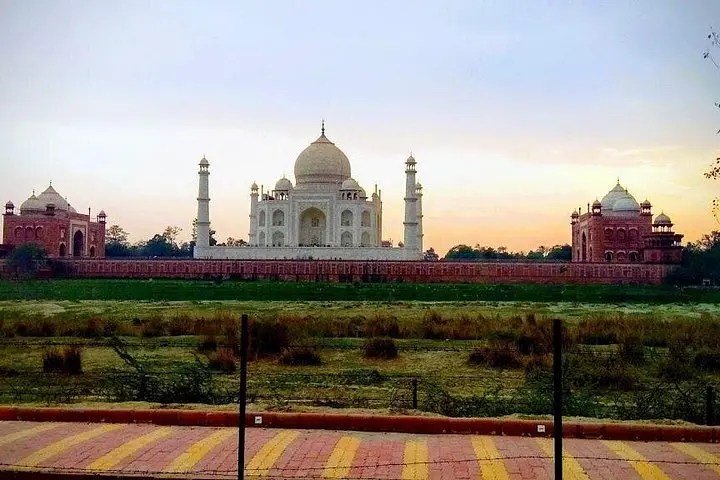
Over three days this private loop stitches together Mughal monuments, Rajput forts and a world-class birding reserve. In Delhi you move from the geometric calm of Humayun’s Tomb to the soaring Afghan-style Qutub Minar; in Agra the Taj Mahal’s white marble seems to change color with the light; en route to Jaipur the Keoladeo Ghana (Bharatpur) National Park unspools reed beds and shallow wetlands that host flocks of migratory waterbirds.
Historically these stops trace imperial ambitions — Mughal mausolea, fortified red-sandstone citadels and the princely projects of Rajput rulers. Geologically, the route runs across alluvial plains fed by the Yamuna; the landscape is low and open, punctuated by stone outcrops near Amber Fort.
Local culture is tactile: bazaars hum with textiles and block prints in Jaipur, while roadside stalls offer chai and samosas that steady long drives. Bharatpur rewards patience: painted storks, open-bills and the Sarus crane can appear on quiet tricycle rides into the sanctuary.
Practical guidance: expect early starts (Taj sunrise is weather-dependent), long vehicle transfers, and mostly easy walking between monuments. Bring binoculars, muted clothing for the park, sunscreen and reusable water; carry printed and mobile ID for monument entry. Plan winter months for peak birdwatching; summer brings heat and occasional monsoon showers. With a private guide and AC transport, this tour balances cultural sightseeing with focused wildlife time — efficient, accessible, and rich in contrast.
Yes — entrance fees for listed monuments and Keoladeo Ghana National Park are included in the tour price as described.
Sunrise access is subject to weather and official opening schedules; the operator plans for sunrise but cannot control closures due to fog or administration.
Winter months (November–February) are best for migratory waterbirds; early morning rickshaw rides maximize sightings.
A valid passport is required on the day of travel and most foreign nationals will need an Indian visa—confirm requirements with your consulate well before travel.
Pacific Classic Tours India operates guided outdoor trips and adventures with an emphasis on safety, stewardship, and memorable experiences.

Dawn in Delhi feels deliberate — the city exhales as your private car slips onto the expressway and the silhouette of minarets and domes fades into flat, sun-baked plains.
Dawn in Delhi feels deliberate — the city exhales as your private car slips onto the expressway and the silhouette of minarets and domes fades into flat, sun-baked plains.
Over three days this private loop stitches together Mughal monuments, Rajput forts and a world-class birding reserve. In Delhi you move from the geometric calm of Humayun’s Tomb to the soaring Afghan-style Qutub Minar; in Agra the Taj Mahal’s white marble seems to change color with the light; en route to Jaipur the Keoladeo Ghana (Bharatpur) National Park unspools reed beds and shallow wetlands that host flocks of migratory waterbirds.
Historically these stops trace imperial ambitions — Mughal mausolea, fortified red-sandstone citadels and the princely projects of Rajput rulers. Geologically, the route runs across alluvial plains fed by the Yamuna; the landscape is low and open, punctuated by stone outcrops near Amber Fort.
Local culture is tactile: bazaars hum with textiles and block prints in Jaipur, while roadside stalls offer chai and samosas that steady long drives. Bharatpur rewards patience: painted storks, open-bills and the Sarus crane can appear on quiet tricycle rides into the sanctuary.
Practical guidance: expect early starts (Taj sunrise is weather-dependent), long vehicle transfers, and mostly easy walking between monuments. Bring binoculars, muted clothing for the park, sunscreen and reusable water; carry printed and mobile ID for monument entry. Plan winter months for peak birdwatching; summer brings heat and occasional monsoon showers. With a private guide and AC transport, this tour balances cultural sightseeing with focused wildlife time — efficient, accessible, and rich in contrast.