THE ADVENTURE COLLECTIVE® · Independent discovery and booking for outdoor travel

Move from Delhi’s broad avenues to the Taj’s marble hush and Jaipur’s pink palaces on a 4-night Golden Triangle loop. Expect manageable drives, morning visits to major sites and pragmatic tips for light packing and comfortable walking.
Move from Delhi’s broad avenues to the Taj’s marble hush and Jaipur’s pink palaces on a 4-night Golden Triangle loop. Expect manageable drives, morning visits to major sites and pragmatic tips for light packing and comfortable walking.
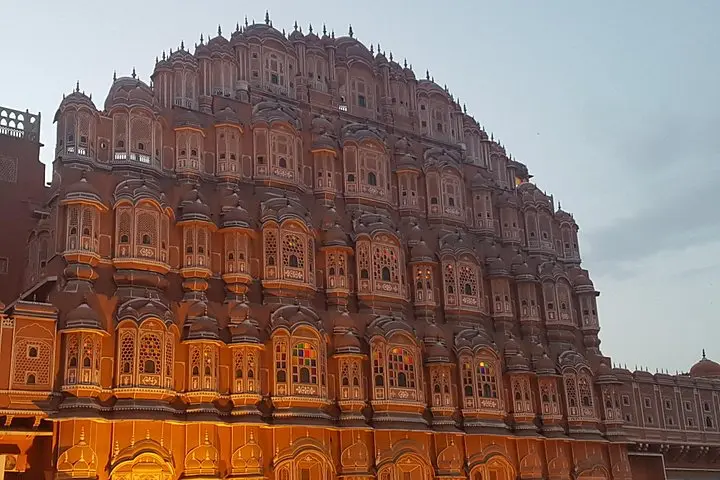
Morning light in New Delhi slips between colonial columns and modern glass, while tuk-tuks thread the alleys of Old Delhi and the city exhales spice and diesel. Over five days you move from capital avenues to the marble hush of the Taj and the pink-stone façades of Jaipur, each city staking a distinct claim: British-era broadways, Mughal mausoleums, Rajput palaces.
Verified experiences and guided adventures in the surrounding area.
Operated by Rajasthan Dream Vacations · New Delhi, Delhi
Morning light in New Delhi slips between colonial columns and modern glass, while tuk-tuks thread the alleys of Old Delhi and the city exhales spice and diesel. Over five days you move from capital avenues to the marble hush of the Taj and the pink-stone façades of Jaipur, each city staking a distinct claim: British-era broadways, Mughal mausoleums, Rajput palaces.
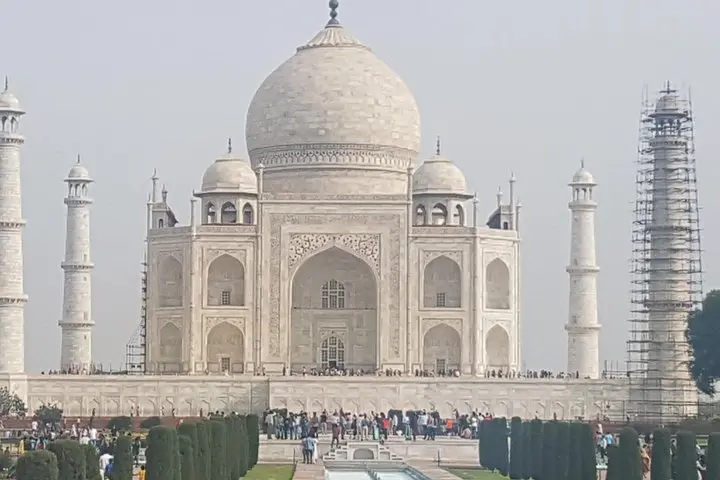
This route traces three layers of Indian history. Delhi’s Qutub Minar and Red Fort record early Sultanate and Mughal power; Agra’s Taj Mahal and Agra Fort are Mughal-era masterpieces in white marble and red sandstone; Jaipur’s Amber Fort, City Palace and Jantar Mantar reflect Rajput court culture and astronomical curiosity. Geologically, the Gangetic plain’s alluvial soils support the rivers that fed Mughal gardens, while the Aravalli foothills rise behind Amber to frame Jaipur’s hilltop citadel.
Practicalities are straightforward: daily driving legs average 3–5 hours; expect paved roads, city traffic and short walking segments with stairs and cobbled courtyards. The tour typically includes an air-conditioned car and a guide; passports are required for monuments, and early mornings are best for Taj Mahal light and smaller crowds. Pack comfortable walking shoes, sun protection, and a lightweight layer for cooler mornings. Stay hydrated and carry small change for local vendors.
Plan timing around sunrise at the Taj or late-afternoon light at Amber Fort. Respect dress norms at religious sites, and allow extra time for security screenings. The Golden Triangle offers dense history and manageable logistics—an accessible cultural loop that rewards a calm pace and curiosity.
Most monument entrance fees are handled locally; check your booking inclusions—this tour often lists admission as not included.
Typical drives: Delhi–Agra ~3–4 hours (230–240 km), Agra–Jaipur via Fatehpur Sikri ~4–5 hours depending on stops and traffic.
Yes—this itinerary is suitable for all fitness levels; it involves vehicle transfers and light walking but consider mobility for stairs and crowds.
Tipping is customary: small tips for guides and drivers are appreciated; carry small bills and tip according to service and your satisfaction.
Rajasthan Dream Vacations operates guided outdoor trips and adventures with an emphasis on safety, stewardship, and memorable experiences.
Morning light in New Delhi slips between colonial columns and modern glass, while tuk-tuks thread the alleys of Old Delhi and the city exhales spice and diesel. Over five days you move from capital avenues to the marble hush of the Taj and the pink-stone façades of Jaipur, each city staking a distinct claim: British-era broadways, Mughal mausoleums, Rajput palaces.
Morning light in New Delhi slips between colonial columns and modern glass, while tuk-tuks thread the alleys of Old Delhi and the city exhales spice and diesel. Over five days you move from capital avenues to the marble hush of the Taj and the pink-stone façades of Jaipur, each city staking a distinct claim: British-era broadways, Mughal mausoleums, Rajput palaces.
This route traces three layers of Indian history. Delhi’s Qutub Minar and Red Fort record early Sultanate and Mughal power; Agra’s Taj Mahal and Agra Fort are Mughal-era masterpieces in white marble and red sandstone; Jaipur’s Amber Fort, City Palace and Jantar Mantar reflect Rajput court culture and astronomical curiosity. Geologically, the Gangetic plain’s alluvial soils support the rivers that fed Mughal gardens, while the Aravalli foothills rise behind Amber to frame Jaipur’s hilltop citadel.
Practicalities are straightforward: daily driving legs average 3–5 hours; expect paved roads, city traffic and short walking segments with stairs and cobbled courtyards. The tour typically includes an air-conditioned car and a guide; passports are required for monuments, and early mornings are best for Taj Mahal light and smaller crowds. Pack comfortable walking shoes, sun protection, and a lightweight layer for cooler mornings. Stay hydrated and carry small change for local vendors.
Plan timing around sunrise at the Taj or late-afternoon light at Amber Fort. Respect dress norms at religious sites, and allow extra time for security screenings. The Golden Triangle offers dense history and manageable logistics—an accessible cultural loop that rewards a calm pace and curiosity.