THE ADVENTURE COLLECTIVE® · Independent discovery and booking for outdoor travel

A compact, driven loop from Delhi to Agra and Jaipur that packs the Taj Mahal and Jaipur’s forts into two days. Ideal for travelers who want curated access to major monuments with private transport and a guide.
A compact, driven loop from Delhi to Agra and Jaipur that packs the Taj Mahal and Jaipur’s forts into two days. Ideal for travelers who want curated access to major monuments with private transport and a guide.
You step into a morning that feels engineered for impact: an air-conditioned car slipping onto the Delhi–Agra expressway, the city giving way to flat farmland as the spires of Agra appear against the sky. At the Taj Mahal the marble seems to change color with the sun; later, sandstone ramparts and pink palaces in Jaipur hold a different heat and rhythm.
Verified experiences and guided adventures in the surrounding area.
Operated by Joyful Holidays · New Delhi, Delhi
You step into a morning that feels engineered for impact: an air-conditioned car slipping onto the Delhi–Agra expressway, the city giving way to flat farmland as the spires of Agra appear against the sky. At the Taj Mahal the marble seems to change color with the sun; later, sandstone ramparts and pink palaces in Jaipur hold a different heat and rhythm.
The route threads two major chapters of northern India’s history: Mughal Agra, shaped by 17th-century imperial patronage (Shah Jahan commissioned the Taj in 1631), and Jaipur, the first planned city in India, founded in 1727 by Maharaja Sawai Jai Singh II. Geologically the plains are alluvial, and the Yamuna river that flanks Agra has long determined settlement and soil. Culturally, expect lively bazaars, Rajasthani crafts, and layered court traditions—in Jaipur, astronomical instruments at Jantar Mantar reflect a scientific courtly culture.
Practically: this private 2-day loop starts and ends in Delhi with hotel or airport pickup, roughly 4–5 hours driving between cities. Time at major sites is limited—plan for early starts to beat heat and crowds. Wear comfortable, closed-toe walking shoes for uneven fort floors and stepwells; carry sun protection and a refillable bottle (water is provided but bring a reusable bottle to reduce waste). Modest clothing is advised at religious and palace sites.
Book skip-the-line tickets where available, keep digital and paper copies of confirmations handy, and allow buffer time for traffic. This itinerary delivers concentrated history and architecture for travelers who prefer curated sightseeing with minimal logistics stress.
The tour description lists visits but not included monument tickets; confirm with the operator whether Taj and fort entry fees are covered or need to be purchased on-site.
The operator lists wheelchair-accessible options for transport and some sites, but access within historic monuments can be limited by steps—check specific needs with the provider in advance.
October to March offers cooler temperatures and clearer skies; summers (April–June) are hot and can make midday visits uncomfortable.
Yes — the itinerary includes pickup from Delhi hotels, airports, or railway stations; provide arrival details during booking to coordinate timing.
Joyful Holidays operates guided outdoor trips and adventures with an emphasis on safety, stewardship, and memorable experiences.
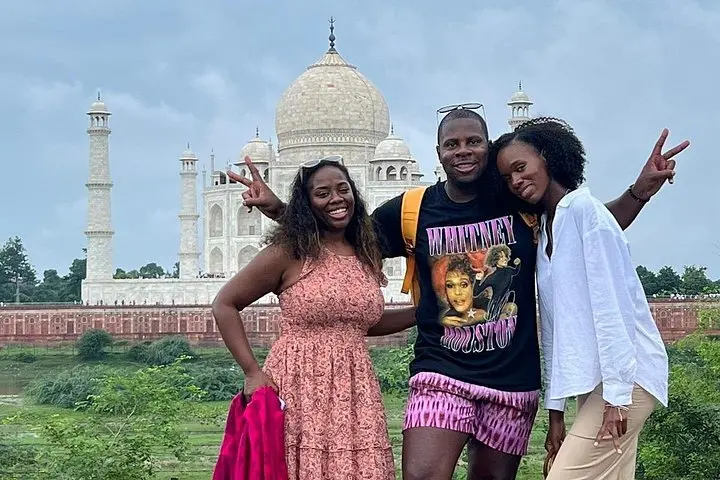
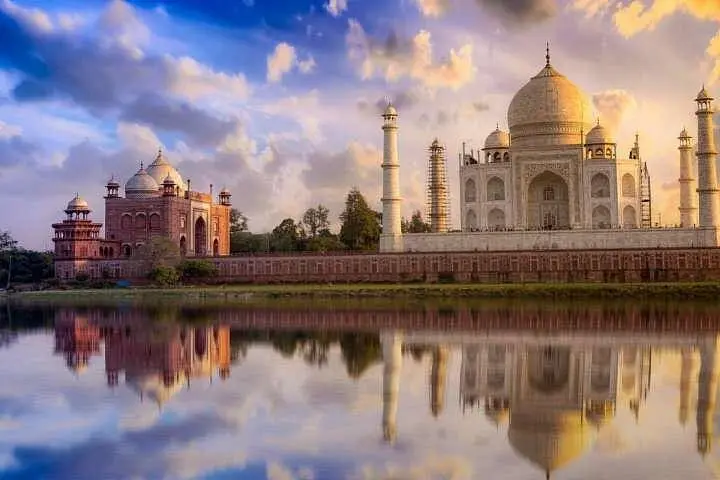
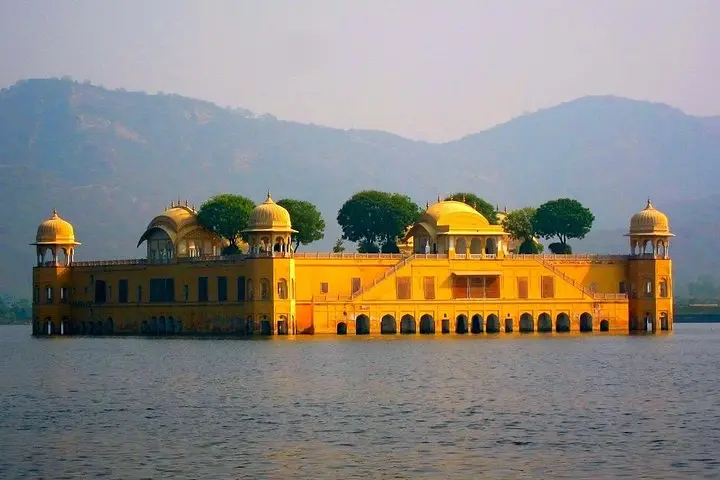
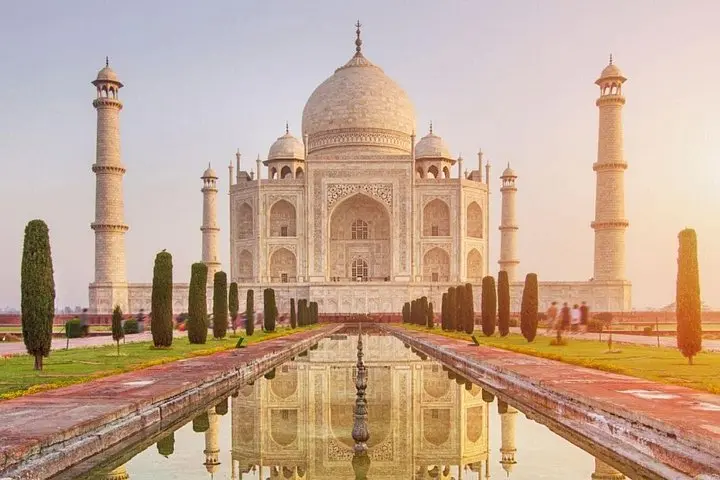
You step into a morning that feels engineered for impact: an air-conditioned car slipping onto the Delhi–Agra expressway, the city giving way to flat farmland as the spires of Agra appear against the sky. At the Taj Mahal the marble seems to change color with the sun; later, sandstone ramparts and pink palaces in Jaipur hold a different heat and rhythm.
You step into a morning that feels engineered for impact: an air-conditioned car slipping onto the Delhi–Agra expressway, the city giving way to flat farmland as the spires of Agra appear against the sky. At the Taj Mahal the marble seems to change color with the sun; later, sandstone ramparts and pink palaces in Jaipur hold a different heat and rhythm.
The route threads two major chapters of northern India’s history: Mughal Agra, shaped by 17th-century imperial patronage (Shah Jahan commissioned the Taj in 1631), and Jaipur, the first planned city in India, founded in 1727 by Maharaja Sawai Jai Singh II. Geologically the plains are alluvial, and the Yamuna river that flanks Agra has long determined settlement and soil. Culturally, expect lively bazaars, Rajasthani crafts, and layered court traditions—in Jaipur, astronomical instruments at Jantar Mantar reflect a scientific courtly culture.
Practically: this private 2-day loop starts and ends in Delhi with hotel or airport pickup, roughly 4–5 hours driving between cities. Time at major sites is limited—plan for early starts to beat heat and crowds. Wear comfortable, closed-toe walking shoes for uneven fort floors and stepwells; carry sun protection and a refillable bottle (water is provided but bring a reusable bottle to reduce waste). Modest clothing is advised at religious and palace sites.
Book skip-the-line tickets where available, keep digital and paper copies of confirmations handy, and allow buffer time for traffic. This itinerary delivers concentrated history and architecture for travelers who prefer curated sightseeing with minimal logistics stress.