THE ADVENTURE COLLECTIVE® · Independent discovery and booking for outdoor travel

In three intense days this private tour links Delhi’s historic avenues with Agra’s Taj and Jaipur’s hilltop forts. Fast transfers, sunrise views and guided stops make it a compact way to see India’s Golden Triangle.
In three intense days this private tour links Delhi’s historic avenues with Agra’s Taj and Jaipur’s hilltop forts. Fast transfers, sunrise views and guided stops make it a compact way to see India’s Golden Triangle.
You step off an early flight into Delhi and the city hums—monuments and avenues moving like chapters of an old book. The tour threads a fast, purposeful arc: a half-day in Delhi, an expressway run to Agra for the Taj at sunrise, a push through the weathered red walls of Agra Fort, and a day in Jaipur’s forts and bazaars before returning to Delhi.
Verified experiences and guided adventures in the surrounding area.
Operated by Deejohn Holidays India Tours · Agra, Uttar Pradesh
You step off an early flight into Delhi and the city hums—monuments and avenues moving like chapters of an old book. The tour threads a fast, purposeful arc: a half-day in Delhi, an expressway run to Agra for the Taj at sunrise, a push through the weathered red walls of Agra Fort, and a day in Jaipur’s forts and bazaars before returning to Delhi.
These sites sit on the flat Indo-Gangetic plain where rivers once laid down the alluvial soils that supported imperial capitals. Qutub Minar and the Lutyens-era government district show Delhi’s layers: Sultanate towers of dressed sandstone, Mughal domes, and British civic geometry. The Taj’s white marble counters Agra Fort’s red sandstone—an architectural conversation of empire, religion and craft. Jaipur, planned in the 18th century, displays grid streets and honey-colored palaces built from local sandstone and lime plaster.
Expect cobbled courtyards, carved jharokhas (balconied windows), and busy market lanes where craftspeople mend looms and dye cloth. The travel rhythm is driven by timed transfers—air-conditioned vehicle rides, short guided walks, and steps at forts and museums.
Practical edge: carry a passport copy, wear comfortable walking shoes and sun protection, and plan early starts to catch cooler light and smaller crowds. Bring small cash for market purchases and be prepared for uneven stone steps at heritage sites. The itinerary is physically easy but packed—good for travelers who prefer curated history, strong logistics, and efficient access to India’s iconic trio.
The Taj Mahal is closed on Fridays for mosque prayers; schedule your visit on another day or confirm with your guide if the itinerary falls on a Friday.
Yes—the itinerary includes the one-way flight from Bangalore to Delhi and private transfers between cities as part of the package.
The tour involves walking on uneven surfaces and stairs at monuments; it’s described as physically easy but not recommended for those with severe mobility issues.
Smart casual is requested; shoulders and knees should be covered at some religious sites—carry a scarf or shawl to be respectful.
Deejohn Holidays India Tours operates guided outdoor trips and adventures with an emphasis on safety, stewardship, and memorable experiences.
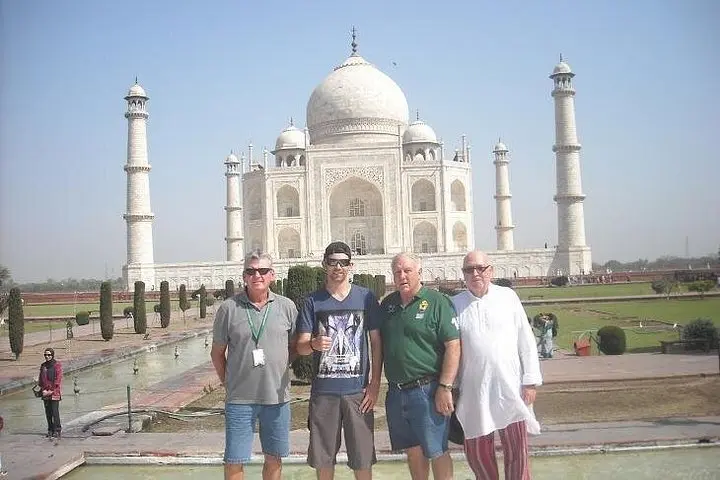
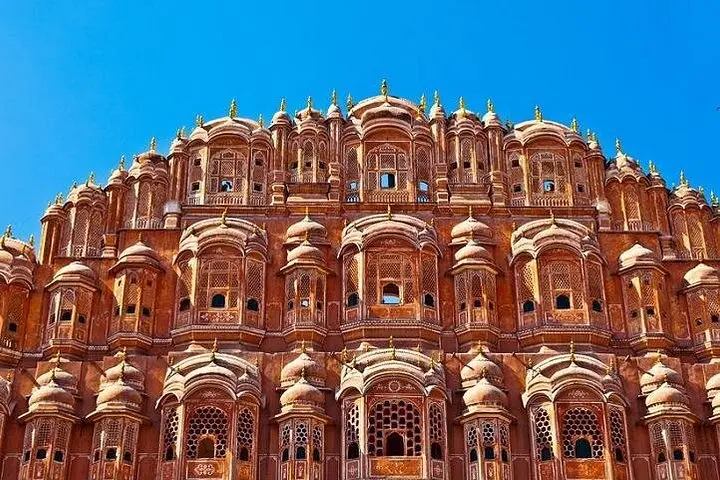
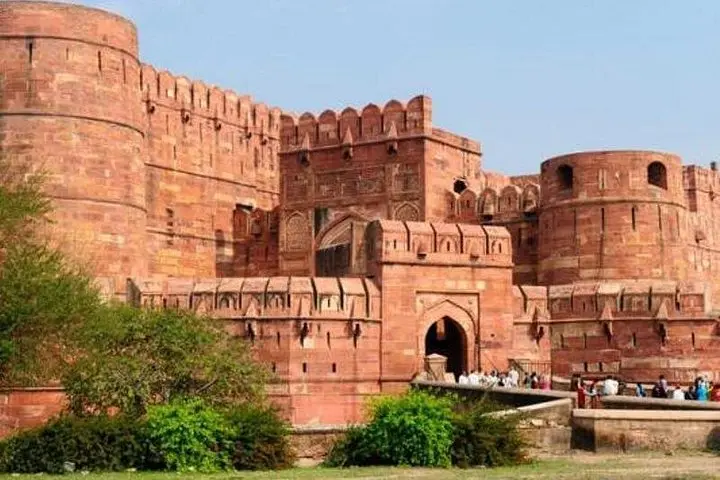
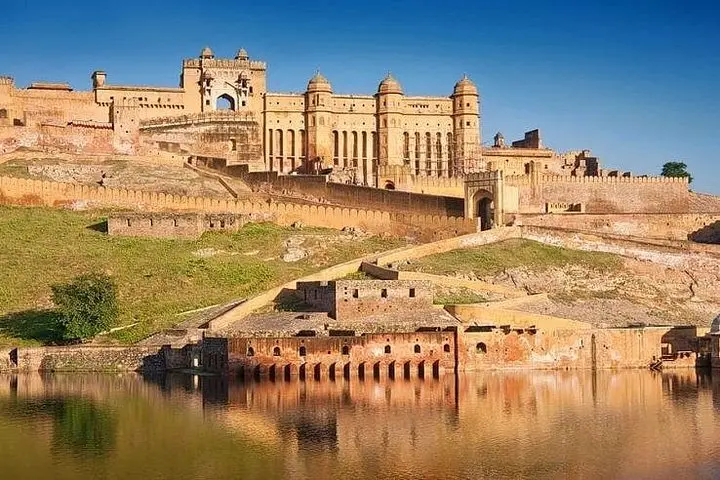
You step off an early flight into Delhi and the city hums—monuments and avenues moving like chapters of an old book. The tour threads a fast, purposeful arc: a half-day in Delhi, an expressway run to Agra for the Taj at sunrise, a push through the weathered red walls of Agra Fort, and a day in Jaipur’s forts and bazaars before returning to Delhi.
You step off an early flight into Delhi and the city hums—monuments and avenues moving like chapters of an old book. The tour threads a fast, purposeful arc: a half-day in Delhi, an expressway run to Agra for the Taj at sunrise, a push through the weathered red walls of Agra Fort, and a day in Jaipur’s forts and bazaars before returning to Delhi.
These sites sit on the flat Indo-Gangetic plain where rivers once laid down the alluvial soils that supported imperial capitals. Qutub Minar and the Lutyens-era government district show Delhi’s layers: Sultanate towers of dressed sandstone, Mughal domes, and British civic geometry. The Taj’s white marble counters Agra Fort’s red sandstone—an architectural conversation of empire, religion and craft. Jaipur, planned in the 18th century, displays grid streets and honey-colored palaces built from local sandstone and lime plaster.
Expect cobbled courtyards, carved jharokhas (balconied windows), and busy market lanes where craftspeople mend looms and dye cloth. The travel rhythm is driven by timed transfers—air-conditioned vehicle rides, short guided walks, and steps at forts and museums.
Practical edge: carry a passport copy, wear comfortable walking shoes and sun protection, and plan early starts to catch cooler light and smaller crowds. Bring small cash for market purchases and be prepared for uneven stone steps at heritage sites. The itinerary is physically easy but packed—good for travelers who prefer curated history, strong logistics, and efficient access to India’s iconic trio.