THE ADVENTURE COLLECTIVE® · Independent discovery and booking for outdoor travel

Experience Delhi’s chaotic lanes, Agra’s sunrise at the Taj, and Jaipur’s palace roofs on this five‑day loop through India’s most famous cultural sights. Practical pacing, guided access, and hotel stays make this an efficient introduction to Mughal and Rajput heritage.
Experience Delhi’s chaotic lanes, Agra’s sunrise at the Taj, and Jaipur’s palace roofs on this five‑day loop through India’s most famous cultural sights. Practical pacing, guided access, and hotel stays make this an efficient introduction to Mughal and Rajput heritage.
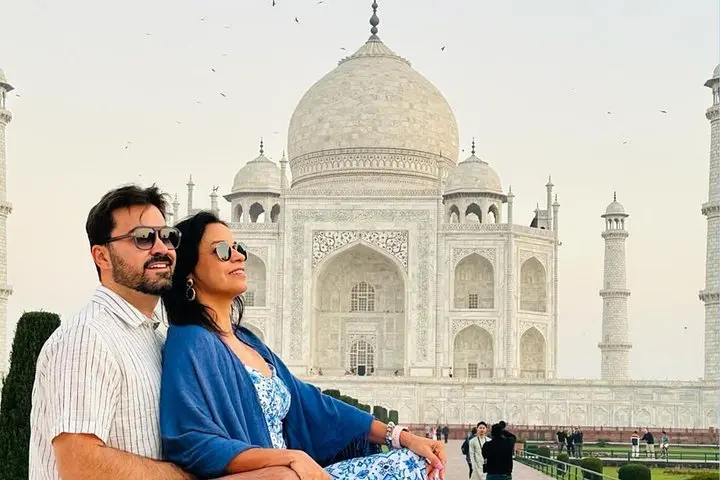
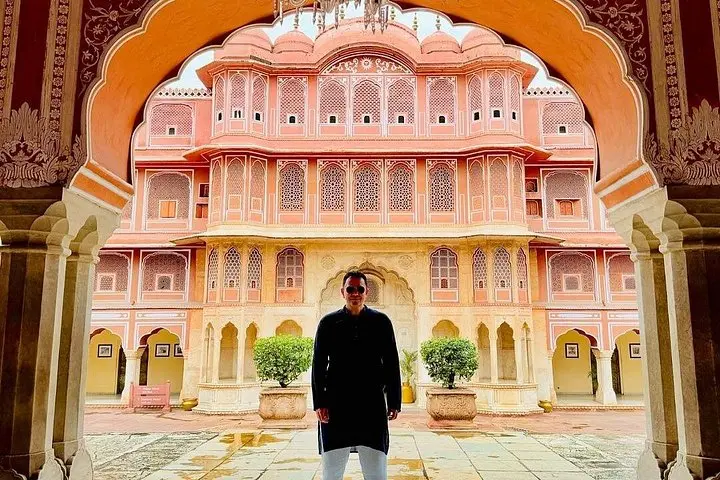
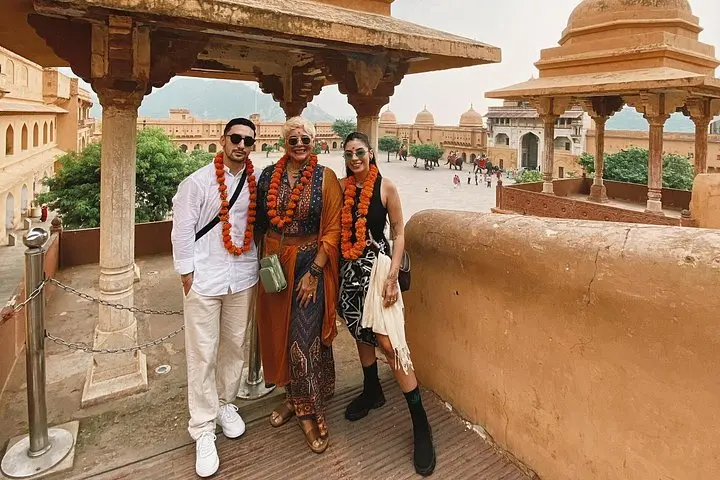
You step from an air‑conditioned car into the press and shuffle of Old Delhi: hawkers calling, the scent of spice and frying ghee, and the red sandstone silhouette of Jama Masjid rising against the sky. Over five days the route tightens and opens—narrow alleys in Chandni Chowk give way to the broad lawns of Humayun’s Tomb, then to the marble hush of the Taj Mahal at sunrise, and finally the pink façades and hill‑framed forts of Jaipur.
Verified experiences and guided adventures in the surrounding area.
Operated by Agra Same Day Trip · New Delhi, Delhi
You step from an air‑conditioned car into the press and shuffle of Old Delhi: hawkers calling, the scent of spice and frying ghee, and the red sandstone silhouette of Jama Masjid rising against the sky. Over five days the route tightens and opens—narrow alleys in Chandni Chowk give way to the broad lawns of Humayun’s Tomb, then to the marble hush of the Taj Mahal at sunrise, and finally the pink façades and hill‑framed forts of Jaipur.
The Golden Triangle compresses centuries of Mughal and Rajput history into a short distance: Mughal-era mausolea and gardens, the imperial planning of Shah Jahan and Humayun, and Rajput palaces carved into the Aravalli foothills. Geologically the region shifts from alluvial plains around the Yamuna in Agra to older Aravalli rock near Jaipur, a change you feel in the color and texture of the buildings—white marble, red sandstone, and honeyed sandstone. Local culture centers on textiles, marble inlay, and courtly cuisine; market visits reveal block‑printed cloth, lac bangles and street snacks.
Practically: plan early mornings for monuments to avoid crowds and heat, carry cash for small purchases, and opt for modest clothing at religious sites. Expect long but comfortable drives between cities in an air‑conditioned vehicle, hotel stays with breakfast, and guided walks at each major site. For photographers, dawn at the Taj and sunset at Mehtab Bagh are musts. Hydrate, move at a steady pace, and let the guide negotiate entrances and lines—this itinerary is designed to show the highlights efficiently while leaving room for quiet moments in gardens and bazaars.
Admission is included only if that option is selected—check your booking details; sunrise slots can require timed-entry reservations.
All three cities are within India; international travelers must have an appropriate Indian visa before arrival.
The itinerary focuses on guided visits with some free time for lunches and brief market walks; expect structured sightseeing most days.
The tour includes hotel accommodation with breakfast and specified meals; confirm any special dietary needs in advance.
Agra Same Day Trip operates guided outdoor trips and adventures with an emphasis on safety, stewardship, and memorable experiences.

You step from an air‑conditioned car into the press and shuffle of Old Delhi: hawkers calling, the scent of spice and frying ghee, and the red sandstone silhouette of Jama Masjid rising against the sky. Over five days the route tightens and opens—narrow alleys in Chandni Chowk give way to the broad lawns of Humayun’s Tomb, then to the marble hush of the Taj Mahal at sunrise, and finally the pink façades and hill‑framed forts of Jaipur.
You step from an air‑conditioned car into the press and shuffle of Old Delhi: hawkers calling, the scent of spice and frying ghee, and the red sandstone silhouette of Jama Masjid rising against the sky. Over five days the route tightens and opens—narrow alleys in Chandni Chowk give way to the broad lawns of Humayun’s Tomb, then to the marble hush of the Taj Mahal at sunrise, and finally the pink façades and hill‑framed forts of Jaipur.
The Golden Triangle compresses centuries of Mughal and Rajput history into a short distance: Mughal-era mausolea and gardens, the imperial planning of Shah Jahan and Humayun, and Rajput palaces carved into the Aravalli foothills. Geologically the region shifts from alluvial plains around the Yamuna in Agra to older Aravalli rock near Jaipur, a change you feel in the color and texture of the buildings—white marble, red sandstone, and honeyed sandstone. Local culture centers on textiles, marble inlay, and courtly cuisine; market visits reveal block‑printed cloth, lac bangles and street snacks.
Practically: plan early mornings for monuments to avoid crowds and heat, carry cash for small purchases, and opt for modest clothing at religious sites. Expect long but comfortable drives between cities in an air‑conditioned vehicle, hotel stays with breakfast, and guided walks at each major site. For photographers, dawn at the Taj and sunset at Mehtab Bagh are musts. Hydrate, move at a steady pace, and let the guide negotiate entrances and lines—this itinerary is designed to show the highlights efficiently while leaving room for quiet moments in gardens and bazaars.