THE ADVENTURE COLLECTIVE® · Independent discovery and booking for outdoor travel

A private six-day loop through Delhi, Agra and Jaipur that pairs sunrise visits to the Taj Mahal with guided explorations of forts, palaces and bustling bazaars. Practical, private and paced for travelers who want history, architecture and local color without group crowds.
A private six-day loop through Delhi, Agra and Jaipur that pairs sunrise visits to the Taj Mahal with guided explorations of forts, palaces and bustling bazaars. Practical, private and paced for travelers who want history, architecture and local color without group crowds.
Morning light in Delhi slants across sandstone façades as rickshaws thread Chandni Chowk and the Yamuna whispers past Agra’s silhouette, daring you to slow down and look. Over six days this private circuit moves between empires: Mughal domes in Agra, British and Mughal layers in Delhi, and Rajput palaces in Jaipur, each city offering a different tempo and angle on northern India.
Verified experiences and guided adventures in the surrounding area.
Operated by Jaipur Trip · New Delhi, Delhi
Morning light in Delhi slants across sandstone façades as rickshaws thread Chandni Chowk and the Yamuna whispers past Agra’s silhouette, daring you to slow down and look. Over six days this private circuit moves between empires: Mughal domes in Agra, British and Mughal layers in Delhi, and Rajput palaces in Jaipur, each city offering a different tempo and angle on northern India.
The route connects three distinct histories—Delhi’s colonial avenues and imperial tombs, Agra’s Taj Mahal and Agra Fort from the Mughal zenith, and Jaipur’s planned streets, forts and stepwells born of Rajput ambition. Geologically the plains are alluvium-fed, the river valleys carving soft edges that made these cities ideal seats of power and trade. Local culture is immediate: temple bells, market calls and the precise craft of stone inlays and block-printed textiles.
Practically, expect early starts: sunrise at the Taj, full days of walking through forts and bazaars, and long drives between cities (4–6 hours). Guides handle tickets and routes; carry water, wear closed shoes for cobbled forts, and dress modestly at religious sites. Traffic and heat shape your day—plan monuments in the morning and museum or market time for late afternoon. Cash and UPI are widely accepted; keep photocopies of your passport.
This is a travel experience built on contrast—crowded bazaars that suddenly open to silent courtyards, rivers that steady the pace, and architecture that measures time in stone. It’s an accessible, immersive way to read India’s layered past while moving at a private, manageable pace.
Most standard entrance fees are not included in the base price—your guide can advise and arrange tickets during the tour.
Yes, the tour includes hotel/airport pickup and drop-off as part of the itinerary.
October to March offers cooler, drier weather and more comfortable sightseeing conditions; summers are hot and humid.
The tour is flexible but many historic sites have steps and uneven surfaces; notify the operator about mobility needs so they can adapt the itinerary where possible.
Jaipur Trip operates guided outdoor trips and adventures with an emphasis on safety, stewardship, and memorable experiences.
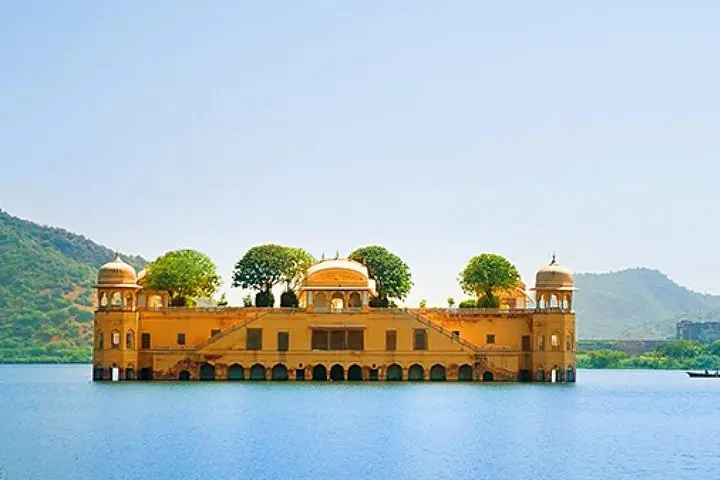
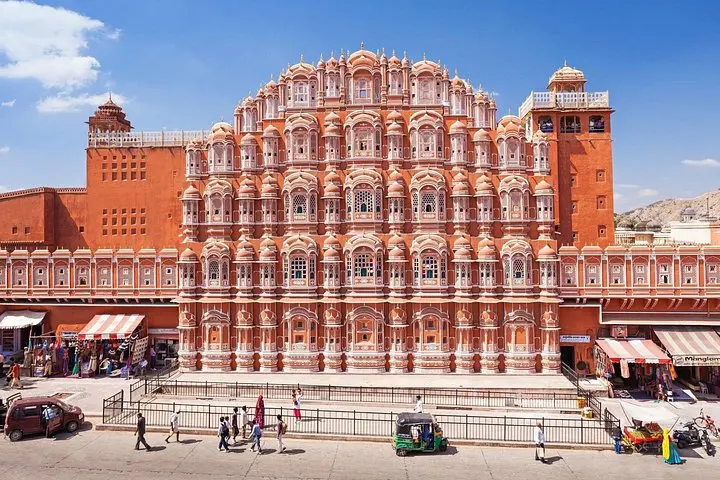
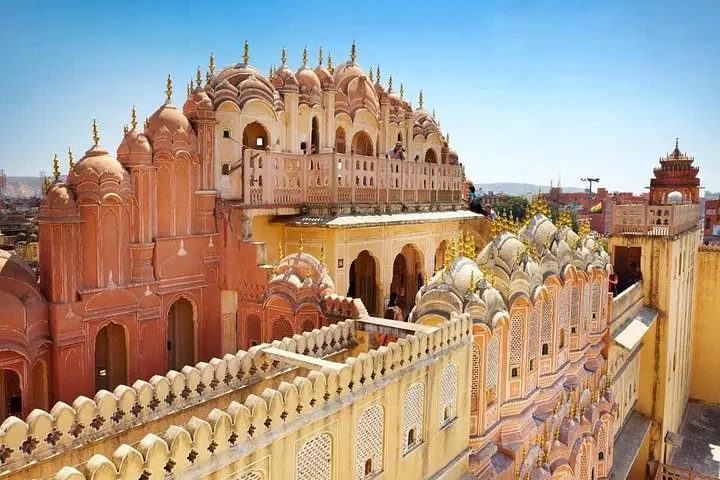
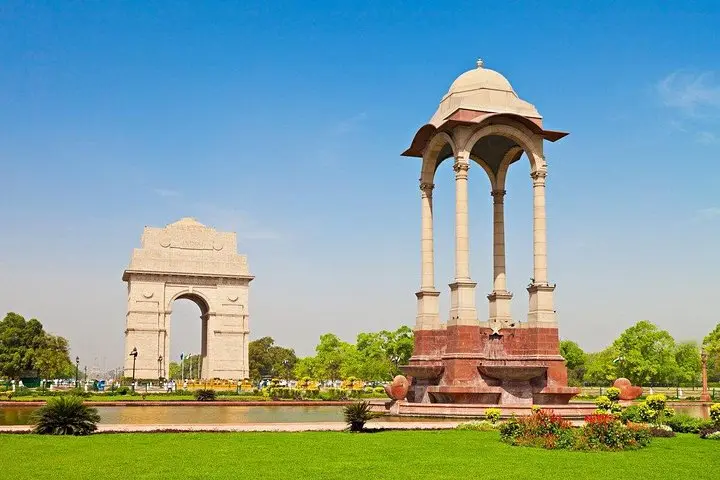
Morning light in Delhi slants across sandstone façades as rickshaws thread Chandni Chowk and the Yamuna whispers past Agra’s silhouette, daring you to slow down and look. Over six days this private circuit moves between empires: Mughal domes in Agra, British and Mughal layers in Delhi, and Rajput palaces in Jaipur, each city offering a different tempo and angle on northern India.
Morning light in Delhi slants across sandstone façades as rickshaws thread Chandni Chowk and the Yamuna whispers past Agra’s silhouette, daring you to slow down and look. Over six days this private circuit moves between empires: Mughal domes in Agra, British and Mughal layers in Delhi, and Rajput palaces in Jaipur, each city offering a different tempo and angle on northern India.
The route connects three distinct histories—Delhi’s colonial avenues and imperial tombs, Agra’s Taj Mahal and Agra Fort from the Mughal zenith, and Jaipur’s planned streets, forts and stepwells born of Rajput ambition. Geologically the plains are alluvium-fed, the river valleys carving soft edges that made these cities ideal seats of power and trade. Local culture is immediate: temple bells, market calls and the precise craft of stone inlays and block-printed textiles.
Practically, expect early starts: sunrise at the Taj, full days of walking through forts and bazaars, and long drives between cities (4–6 hours). Guides handle tickets and routes; carry water, wear closed shoes for cobbled forts, and dress modestly at religious sites. Traffic and heat shape your day—plan monuments in the morning and museum or market time for late afternoon. Cash and UPI are widely accepted; keep photocopies of your passport.
This is a travel experience built on contrast—crowded bazaars that suddenly open to silent courtyards, rivers that steady the pace, and architecture that measures time in stone. It’s an accessible, immersive way to read India’s layered past while moving at a private, manageable pace.