THE ADVENTURE COLLECTIVE® · Independent discovery and booking for outdoor travel

A structured, weeklong sweep through Delhi, Agra and Jaipur that pairs UNESCO monuments with local markets and village stopovers. Ideal for travelers who want a cultural deep-dive without heavy trekking.
A structured, weeklong sweep through Delhi, Agra and Jaipur that pairs UNESCO monuments with local markets and village stopovers. Ideal for travelers who want a cultural deep-dive without heavy trekking.
Morning light on a Delhi avenue feels like a city waking up with purpose: rickshaws thread through spice-scented lanes, while the Yamuna pushes a thin fog past Agra’s riverbank. This seven-day Golden Triangle loop — Delhi, Jaipur and Agra — moves at a deliberate cultural pace, pairing grand Mughal marble with Rajput forts and bustling bazaars.
Verified experiences and guided adventures in the surrounding area.
Operated by Agra Trip · New Delhi, Delhi
Morning light on a Delhi avenue feels like a city waking up with purpose: rickshaws thread through spice-scented lanes, while the Yamuna pushes a thin fog past Agra’s riverbank. This seven-day Golden Triangle loop — Delhi, Jaipur and Agra — moves at a deliberate cultural pace, pairing grand Mughal marble with Rajput forts and bustling bazaars.
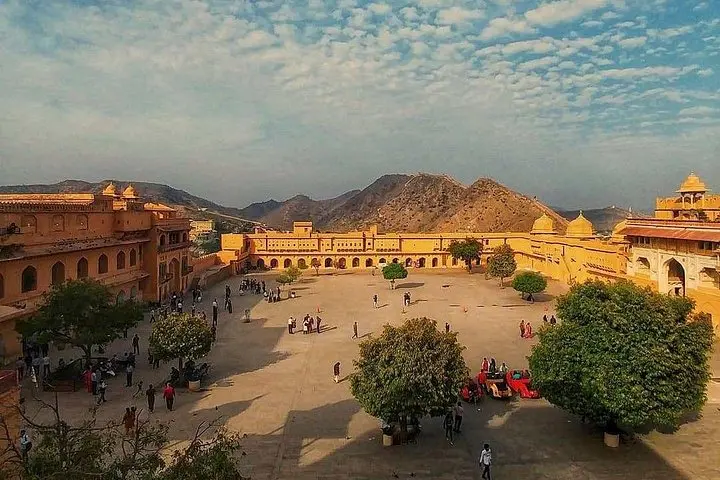
The route threads imperial history and layered geology: red-sandstone ramparts in Agra and Jaipur sit atop older alluvial plains shaped by the Yamuna, while Delhi’s monuments map successive dynasties from Sultanate minarets to British-era avenues. Local craftspeople — stone inlayers in Agra, block-printers around Jaipur — keep regional traditions visible at street level.
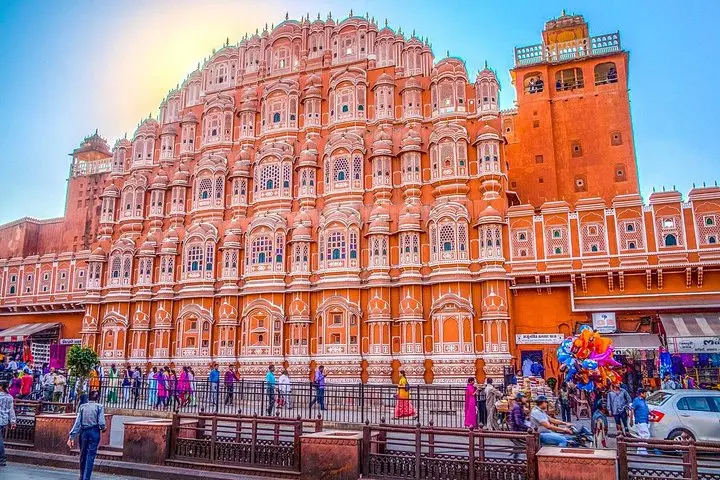
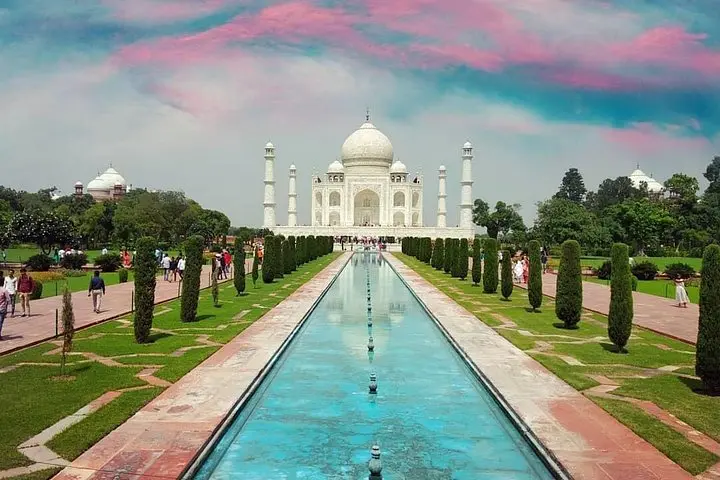
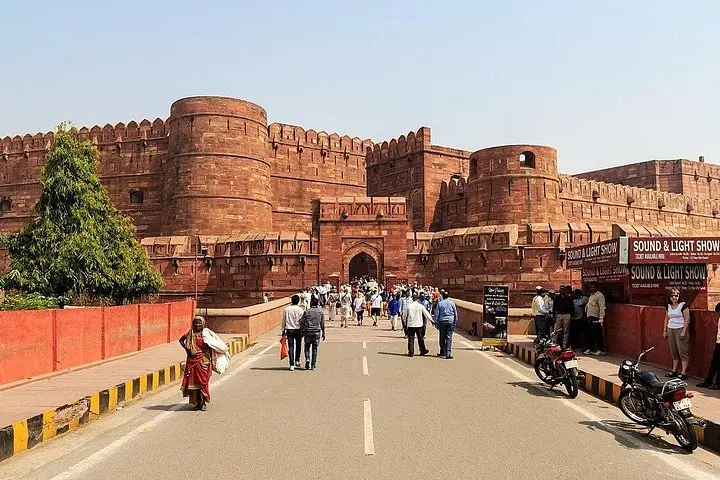
Travelers should expect guided visits to UNESCO sites (Taj Mahal, Agra Fort, Humayun’s Tomb) plus city drives, a rickshaw ride through Old Delhi, and a stop at Fatehpur Sikri and Chand Baori. Pace is mostly gentle but includes long days of walking on uneven stone, crowds, and midday heat in summer.
Practical edge: aim for sunrise at the Taj for cooler light and thinner crowds (note: Taj closed Fridays). Bring comfortable, broken-in walking shoes, sun protection, and a small daypack for water and camera gear. Time transfers between cities at off-peak hours when possible to avoid traffic. Hotel pickups and a private, air-conditioned car are typically included, so coordinate arrival and departure times with your operator.
This tour is ideal for travelers who want a structured introduction to India’s north with room for short walks, cultural immersion, and photography-ready vistas.
Most standard packages do not include entry fees to monuments; confirm with the operator which admissions are covered before booking.
The Taj Mahal is closed on Fridays for prayers; plan visits on other days and consider sunrise to avoid crowds.
Most international travelers require a valid visa or e-visa to enter India—check current requirements well in advance and ensure passport validity of at least six months.
The tour involves uneven steps and long walking stretches; it may be challenging for travelers with significant mobility limitations—consult the operator about customizing transport and shorter visits.
Agra Trip operates guided outdoor trips and adventures with an emphasis on safety, stewardship, and memorable experiences.
Morning light on a Delhi avenue feels like a city waking up with purpose: rickshaws thread through spice-scented lanes, while the Yamuna pushes a thin fog past Agra’s riverbank. This seven-day Golden Triangle loop — Delhi, Jaipur and Agra — moves at a deliberate cultural pace, pairing grand Mughal marble with Rajput forts and bustling bazaars.
Morning light on a Delhi avenue feels like a city waking up with purpose: rickshaws thread through spice-scented lanes, while the Yamuna pushes a thin fog past Agra’s riverbank. This seven-day Golden Triangle loop — Delhi, Jaipur and Agra — moves at a deliberate cultural pace, pairing grand Mughal marble with Rajput forts and bustling bazaars.
The route threads imperial history and layered geology: red-sandstone ramparts in Agra and Jaipur sit atop older alluvial plains shaped by the Yamuna, while Delhi’s monuments map successive dynasties from Sultanate minarets to British-era avenues. Local craftspeople — stone inlayers in Agra, block-printers around Jaipur — keep regional traditions visible at street level.
Travelers should expect guided visits to UNESCO sites (Taj Mahal, Agra Fort, Humayun’s Tomb) plus city drives, a rickshaw ride through Old Delhi, and a stop at Fatehpur Sikri and Chand Baori. Pace is mostly gentle but includes long days of walking on uneven stone, crowds, and midday heat in summer.
Practical edge: aim for sunrise at the Taj for cooler light and thinner crowds (note: Taj closed Fridays). Bring comfortable, broken-in walking shoes, sun protection, and a small daypack for water and camera gear. Time transfers between cities at off-peak hours when possible to avoid traffic. Hotel pickups and a private, air-conditioned car are typically included, so coordinate arrival and departure times with your operator.
This tour is ideal for travelers who want a structured introduction to India’s north with room for short walks, cultural immersion, and photography-ready vistas.