THE ADVENTURE COLLECTIVE® · Independent discovery and booking for outdoor travel

Seven days moving from Delhi’s monuments to the Taj Mahal and into Ranthambore’s tiger country. This private luxury itinerary balances guided city walks with dawn and dusk wildlife safaris — ideal for travelers who want heritage, comfort and a shot at Bengal tiger sightings.
Seven days moving from Delhi’s monuments to the Taj Mahal and into Ranthambore’s tiger country. This private luxury itinerary balances guided city walks with dawn and dusk wildlife safaris — ideal for travelers who want heritage, comfort and a shot at Bengal tiger sightings.
A morning in Old Delhi begins with rickshaw whistles and saffron light knitting through narrow lanes; by afternoon the marble of the Taj Mahal throws back a cool, deliberate glow and the Aravalli hills outside Jaipur watch as caravans of tourism flow through ancient gates. This seven‑day private tour ties those moments together — city rhythms, Mughal monuments and a pulse‑quickening Ranthambore safari.
Verified experiences and guided adventures in the surrounding area.
Operated by Raj Tour and Travel-Agra · New Delhi, Delhi
A morning in Old Delhi begins with rickshaw whistles and saffron light knitting through narrow lanes; by afternoon the marble of the Taj Mahal throws back a cool, deliberate glow and the Aravalli hills outside Jaipur watch as caravans of tourism flow through ancient gates. This seven‑day private tour ties those moments together — city rhythms, Mughal monuments and a pulse‑quickening Ranthambore safari.
The route follows a clear historical spine: Mughal architecture in Delhi and Agra, Akbar’s abandoned capital at Fatehpur Sikri, then Rajput palaces and forts in Jaipur. Geology shows in the red sandstone of Agra Fort and the low, eroded Aravalli ridges around Jaipur; ecologically, Ranthambore preserves dry‑deciduous forest and seasonal lakes that sustain tiger prey through the year.
Culturally the trip moves between living markets and preserved royal spaces: local guides translate not just language but context — caste of craftspeople, court rituals, and how hunting grounds became a national park.
Practical guidance: expect 3–4 hours of guided walking on most days, plus early dawn or late‑afternoon safari drives that require punctuality and a quiet demeanor. Pack breathable layers for hot days and cool mornings, bring binoculars, and plan logistics around park zone allocations and the Ranthambore monsoon closure (July–September). Hotels and private cars are standard on this private itinerary, but confirm early check‑in needs and any upgrade to private jeep safaris. Follow park rules on noise and waste — the best wildlife encounters come to those who observe patiently and respectfully.
No — sightings depend on animal movement, zone assignment and luck; mornings and evenings give the best chance but patience is key.
October–March offers cooler, dry weather and higher visibility for safaris; avoid July–September when Ranthambore may close for monsoon.
Most international visitors need a visa or e‑visa—check your nationality’s entry requirements and apply well before travel.
Yes — tipping is customary; a reasonable guideline is small daily tips for drivers and slightly higher amounts for private guides, adjusted based on service.
Raj Tour and Travel-Agra operates guided outdoor trips and adventures with an emphasis on safety, stewardship, and memorable experiences.

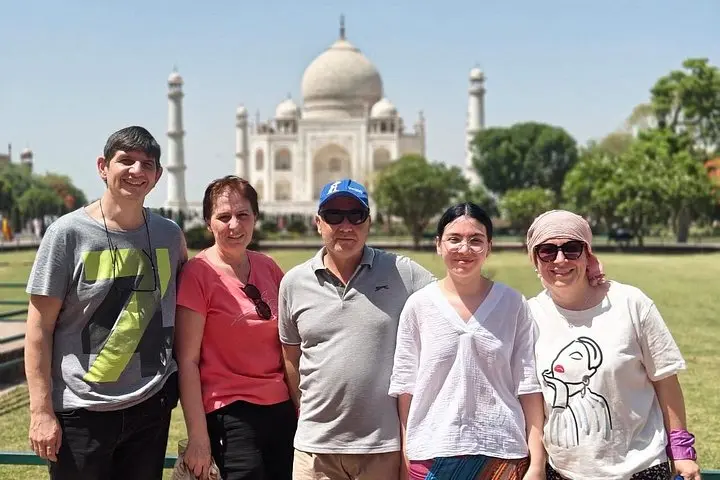
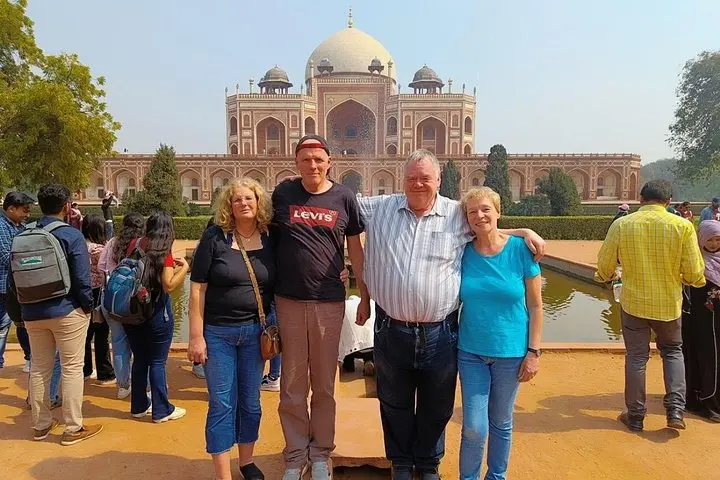
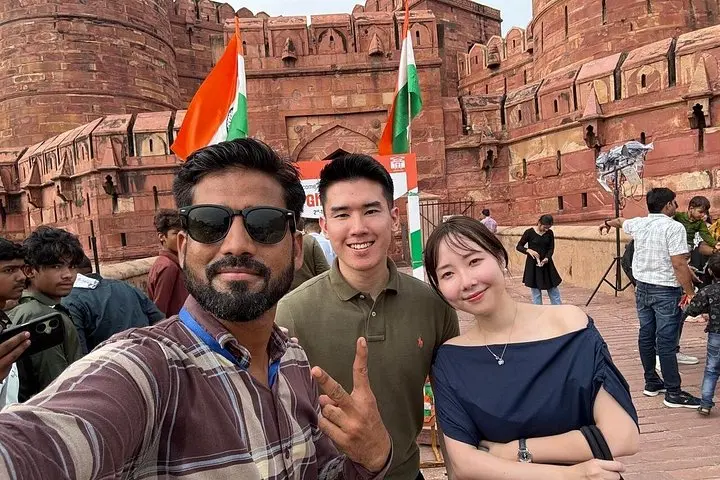
A morning in Old Delhi begins with rickshaw whistles and saffron light knitting through narrow lanes; by afternoon the marble of the Taj Mahal throws back a cool, deliberate glow and the Aravalli hills outside Jaipur watch as caravans of tourism flow through ancient gates. This seven‑day private tour ties those moments together — city rhythms, Mughal monuments and a pulse‑quickening Ranthambore safari.
A morning in Old Delhi begins with rickshaw whistles and saffron light knitting through narrow lanes; by afternoon the marble of the Taj Mahal throws back a cool, deliberate glow and the Aravalli hills outside Jaipur watch as caravans of tourism flow through ancient gates. This seven‑day private tour ties those moments together — city rhythms, Mughal monuments and a pulse‑quickening Ranthambore safari.
The route follows a clear historical spine: Mughal architecture in Delhi and Agra, Akbar’s abandoned capital at Fatehpur Sikri, then Rajput palaces and forts in Jaipur. Geology shows in the red sandstone of Agra Fort and the low, eroded Aravalli ridges around Jaipur; ecologically, Ranthambore preserves dry‑deciduous forest and seasonal lakes that sustain tiger prey through the year.
Culturally the trip moves between living markets and preserved royal spaces: local guides translate not just language but context — caste of craftspeople, court rituals, and how hunting grounds became a national park.
Practical guidance: expect 3–4 hours of guided walking on most days, plus early dawn or late‑afternoon safari drives that require punctuality and a quiet demeanor. Pack breathable layers for hot days and cool mornings, bring binoculars, and plan logistics around park zone allocations and the Ranthambore monsoon closure (July–September). Hotels and private cars are standard on this private itinerary, but confirm early check‑in needs and any upgrade to private jeep safaris. Follow park rules on noise and waste — the best wildlife encounters come to those who observe patiently and respectfully.