THE ADVENTURE COLLECTIVE® · Independent discovery and booking for outdoor travel

Move from imperial Istanbul to Cappadocia’s otherworldly valleys, then to the classical grandeur of Ephesus and Pamukkale’s white terraces on this private 8‑day tour. Expect historical depth, varied terrain, and practical pacing that maximizes sightseeing time.
Move from imperial Istanbul to Cappadocia’s otherworldly valleys, then to the classical grandeur of Ephesus and Pamukkale’s white terraces on this private 8‑day tour. Expect historical depth, varied terrain, and practical pacing that maximizes sightseeing time.
You step out of the coach into a city that has cradled empires—the air here carries sea salt and the faint echo of prayers from minarets. In Sultanahmet the stones underfoot still hold generations of footsteps; later, the land opens to lunar valleys where chimney-shaped cones rise like slow-burning candles. Across eight days you move between these landscapes: Istanbul’s imperial domes, Cappadocia’s carved monasteries and panoramas, the classical ruins of Ephesus, and the chalk-white terraces of Pamukkale.
Verified experiences and guided adventures in the surrounding area.
Operated by Moira Travel Agency · Istanbul, Istanbul
You step out of the coach into a city that has cradled empires—the air here carries sea salt and the faint echo of prayers from minarets. In Sultanahmet the stones underfoot still hold generations of footsteps; later, the land opens to lunar valleys where chimney-shaped cones rise like slow-burning candles. Across eight days you move between these landscapes: Istanbul’s imperial domes, Cappadocia’s carved monasteries and panoramas, the classical ruins of Ephesus, and the chalk-white terraces of Pamukkale.
The route threads Roman, Byzantine and Ottoman history: Topkapı’s harems and armories tell of imperial administration, Hagia Sophia reflects successive religious conversions, and Ephesus reveals urban life at Rome’s eastern edge. Geologically, Cappadocia’s hoodoos were sculpted by millennia of wind and volcanic tuff erosion; Pamukkale’s travertine terraces grew from mineral-rich thermal springs that deposited calcite over ages.
Local culture leans practical and hospitable—small-group guides translate layers of history into clear, walkable circuits. Expect uneven stone streets, steep steps inside ancient complexes, and thermal pools whose waters seem to insist you slow down.
Practical guidance: plan light, layered clothing for varying inland and coastal temperatures, sturdy walking shoes for cobbled streets and terraces, and a daypack with water and sunscreen. Mornings are best for site visits to avoid crowds and midday heat in summer. If you have mobility needs, confirm accessible transfers in advance—many stops have uneven terrain despite accessible transport options. Bring photocopies of passport info for domestic flights and allow buffer time between short hops—this itinerary uses domestic flights to maximize time at each site.
Yes—this itinerary includes domestic tickets to reduce long road transfers between regions.
Transportation and some venues are wheelchair accessible, but many ancient sites have uneven terrain and steps—notify organizers to confirm accommodations.
Yes—travel insurance covering medical evacuation and trip interruptions is recommended, especially for long multi‑leg itineraries.
Most meals on the tour can be adjusted for common dietary restrictions—declare needs at booking so organizers can prepare.
Moira Travel Agency operates guided outdoor trips and adventures with an emphasis on safety, stewardship, and memorable experiences.
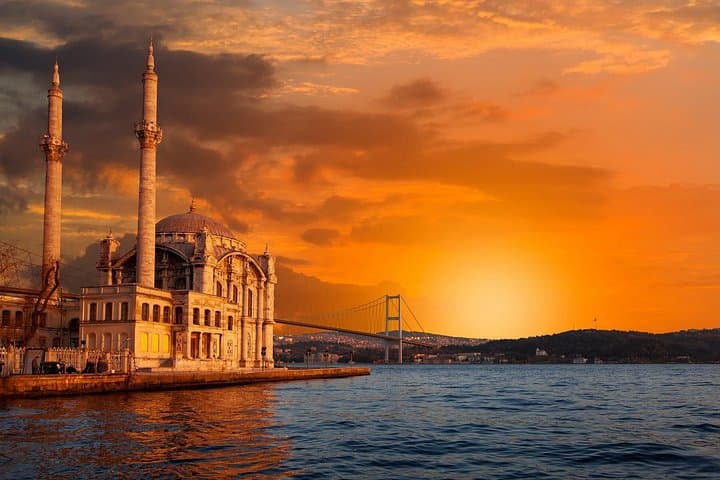


You step out of the coach into a city that has cradled empires—the air here carries sea salt and the faint echo of prayers from minarets. In Sultanahmet the stones underfoot still hold generations of footsteps; later, the land opens to lunar valleys where chimney-shaped cones rise like slow-burning candles. Across eight days you move between these landscapes: Istanbul’s imperial domes, Cappadocia’s carved monasteries and panoramas, the classical ruins of Ephesus, and the chalk-white terraces of Pamukkale.
You step out of the coach into a city that has cradled empires—the air here carries sea salt and the faint echo of prayers from minarets. In Sultanahmet the stones underfoot still hold generations of footsteps; later, the land opens to lunar valleys where chimney-shaped cones rise like slow-burning candles. Across eight days you move between these landscapes: Istanbul’s imperial domes, Cappadocia’s carved monasteries and panoramas, the classical ruins of Ephesus, and the chalk-white terraces of Pamukkale.
The route threads Roman, Byzantine and Ottoman history: Topkapı’s harems and armories tell of imperial administration, Hagia Sophia reflects successive religious conversions, and Ephesus reveals urban life at Rome’s eastern edge. Geologically, Cappadocia’s hoodoos were sculpted by millennia of wind and volcanic tuff erosion; Pamukkale’s travertine terraces grew from mineral-rich thermal springs that deposited calcite over ages.
Local culture leans practical and hospitable—small-group guides translate layers of history into clear, walkable circuits. Expect uneven stone streets, steep steps inside ancient complexes, and thermal pools whose waters seem to insist you slow down.
Practical guidance: plan light, layered clothing for varying inland and coastal temperatures, sturdy walking shoes for cobbled streets and terraces, and a daypack with water and sunscreen. Mornings are best for site visits to avoid crowds and midday heat in summer. If you have mobility needs, confirm accessible transfers in advance—many stops have uneven terrain despite accessible transport options. Bring photocopies of passport info for domestic flights and allow buffer time between short hops—this itinerary uses domestic flights to maximize time at each site.