THE ADVENTURE COLLECTIVE® · Independent discovery and booking for outdoor travel

A private Golden Triangle itinerary that threads Delhi, Agra and Jaipur into a paced cultural journey — from Mughal mausoleums to Rajput palaces. Practical timing, transfer distances, and what to bring for walking through history.
A private Golden Triangle itinerary that threads Delhi, Agra and Jaipur into a paced cultural journey — from Mughal mausoleums to Rajput palaces. Practical timing, transfer distances, and what to bring for walking through history.
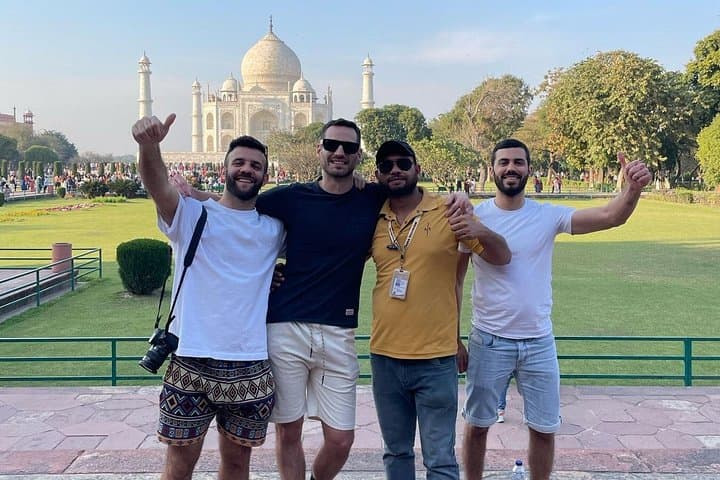
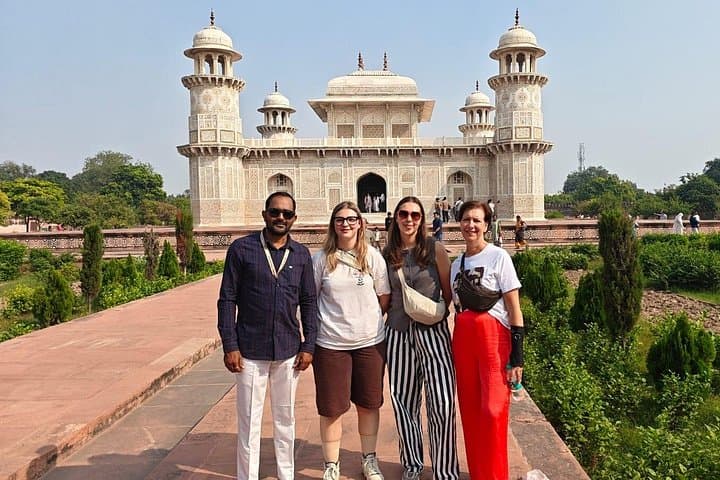
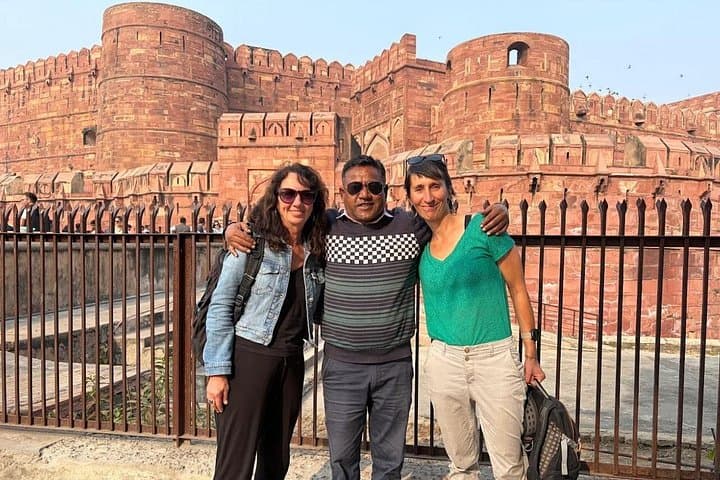
Morning light arrives on broad avenues and narrow lanes at once — New Delhi’s sandstone facades glow while rickshaws thread through Old Delhi’s spice-scented alleys. Over the next days the landscape changes from imperial red sandstone to the white Makrana marble of the Taj Mahal, then to Jaipur’s pink-hued palaces and lakes. The route moves at a deliberate pace: fortified citadels, Mughal gardens, and royal courts unfold with guide-led context and local color.
Verified experiences and guided adventures in the surrounding area.
Operated by Bharat Explorers Tours · New Delhi, Delhi
Morning light arrives on broad avenues and narrow lanes at once — New Delhi’s sandstone facades glow while rickshaws thread through Old Delhi’s spice-scented alleys. Over the next days the landscape changes from imperial red sandstone to the white Makrana marble of the Taj Mahal, then to Jaipur’s pink-hued palaces and lakes. The route moves at a deliberate pace: fortified citadels, Mughal gardens, and royal courts unfold with guide-led context and local color.
These cities record centuries of Mughal and Rajput power. Shah Jahan’s era left the Taj and Jama Masjid; Akbar’s imprint is visible at Agra Fort and Fatehpur Sikri. Geology matters — Agra’s gleaming Makrana marble contrasts with the sandstone quarried for Delhi and Jaipur’s palaces. Culture is tactile: bazaars selling block-printed textiles, street stalls serving chaat, and craftsmen working stone and silver.
Practical guidance: start early at the Taj for softer light and smaller crowds; Delhi–Agra is roughly 230 km by road (about 3–4 hours depending on traffic), Agra–Jaipur about 240 km (4–5 hours). Expect extensive walking on uneven surfaces and security checks at major monuments; modest dress is required at religious sites. Hydrate often in warm months and carry layered clothing for cooler winter mornings. Most visits include timed entry to heritage sites—keep passports or ID handy for ticketing and sometimes entry verification. A private vehicle with AC is standard; confirm which admissions are included when booking. Travel times and local traffic shape each day, so plan rest and photo stops accordingly.
Some major sites listed (e.g., Taj Mahal, Agra Fort, Red Fort, Fatehpur Sikri) are commonly included per the itinerary but confirm specific admissions at booking, as policies vary.
Private Golden Triangle tours typically start in New Delhi and can finish in Delhi or Jaipur depending on your booking; confirm pickup and drop-off points when you reserve.
Yes — the itinerary is paced and uses an air-conditioned vehicle; however mobility issues should be communicated in advance for assistance with walking distances and steps.
Expect roughly 3–4 hours by road between Delhi and Agra (~230 km) and 4–5 hours between Agra and Jaipur (~240 km); traffic and stops can change durations.
Bharat Explorers Tours operates guided outdoor trips and adventures with an emphasis on safety, stewardship, and memorable experiences.

Morning light arrives on broad avenues and narrow lanes at once — New Delhi’s sandstone facades glow while rickshaws thread through Old Delhi’s spice-scented alleys. Over the next days the landscape changes from imperial red sandstone to the white Makrana marble of the Taj Mahal, then to Jaipur’s pink-hued palaces and lakes. The route moves at a deliberate pace: fortified citadels, Mughal gardens, and royal courts unfold with guide-led context and local color.
Morning light arrives on broad avenues and narrow lanes at once — New Delhi’s sandstone facades glow while rickshaws thread through Old Delhi’s spice-scented alleys. Over the next days the landscape changes from imperial red sandstone to the white Makrana marble of the Taj Mahal, then to Jaipur’s pink-hued palaces and lakes. The route moves at a deliberate pace: fortified citadels, Mughal gardens, and royal courts unfold with guide-led context and local color.
These cities record centuries of Mughal and Rajput power. Shah Jahan’s era left the Taj and Jama Masjid; Akbar’s imprint is visible at Agra Fort and Fatehpur Sikri. Geology matters — Agra’s gleaming Makrana marble contrasts with the sandstone quarried for Delhi and Jaipur’s palaces. Culture is tactile: bazaars selling block-printed textiles, street stalls serving chaat, and craftsmen working stone and silver.
Practical guidance: start early at the Taj for softer light and smaller crowds; Delhi–Agra is roughly 230 km by road (about 3–4 hours depending on traffic), Agra–Jaipur about 240 km (4–5 hours). Expect extensive walking on uneven surfaces and security checks at major monuments; modest dress is required at religious sites. Hydrate often in warm months and carry layered clothing for cooler winter mornings. Most visits include timed entry to heritage sites—keep passports or ID handy for ticketing and sometimes entry verification. A private vehicle with AC is standard; confirm which admissions are included when booking. Travel times and local traffic shape each day, so plan rest and photo stops accordingly.