THE ADVENTURE COLLECTIVE® · Independent discovery and booking for outdoor travel

This private six-day Golden Triangle route links Delhi, Agra and Jaipur with sunset at the Taj, Fatehpur Sikri’s deserted courts and the vertiginous Chand Baori stepwell. It’s a compact cultural circuit for travelers who want history, architecture and manageable walking each day.
This private six-day Golden Triangle route links Delhi, Agra and Jaipur with sunset at the Taj, Fatehpur Sikri’s deserted courts and the vertiginous Chand Baori stepwell. It’s a compact cultural circuit for travelers who want history, architecture and manageable walking each day.
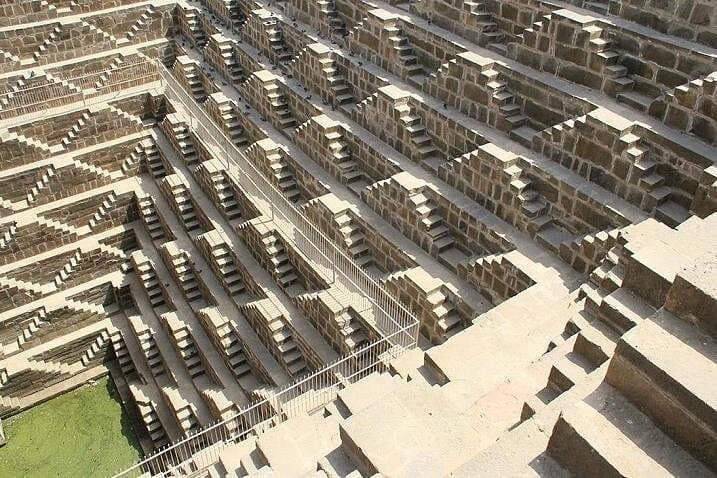
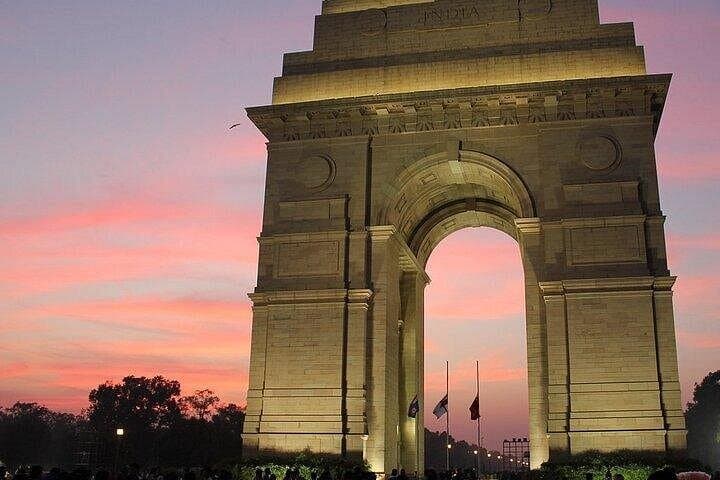
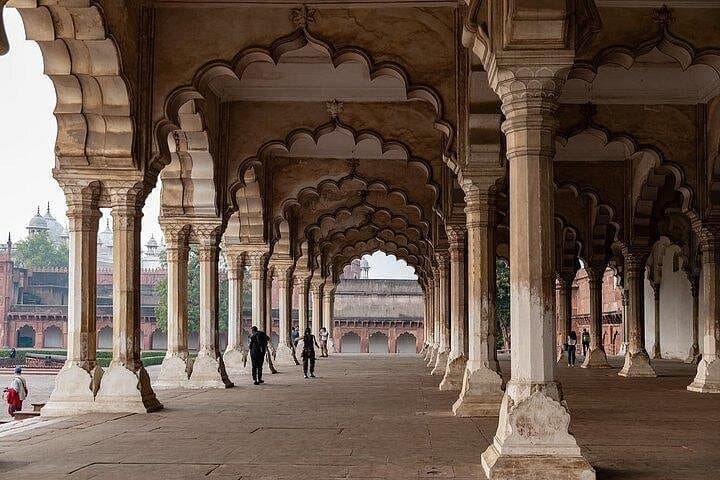
You arrive as the city exhales—horns, chai steam and the dry shimmer of old stone. In New Delhi the past presses close: red sandstone walls, colonial avenues and alleys where spice stalls push fragrant heat into the air. Drive south and the Yamuna leans close, daring you to catch the Taj Mahal’s reflection at sunset. Further west, Fatehpur Sikri’s empty courtyards offer a sense of sudden stillness, then the carved steps of Chand Baori drop away into cool shadow like an ancient amphitheater.
Verified experiences and guided adventures in the surrounding area.
Operated by SITA World Tours · New Delhi, Delhi
You arrive as the city exhales—horns, chai steam and the dry shimmer of old stone. In New Delhi the past presses close: red sandstone walls, colonial avenues and alleys where spice stalls push fragrant heat into the air. Drive south and the Yamuna leans close, daring you to catch the Taj Mahal’s reflection at sunset. Further west, Fatehpur Sikri’s empty courtyards offer a sense of sudden stillness, then the carved steps of Chand Baori drop away into cool shadow like an ancient amphitheater.
This six-day private circuit threads three cities that shaped northern India’s imperial and mercantile history: Mughal Delhi and Agra’s shared riverfront legacy, Akbar’s short-lived capital at Fatehpur Sikri, and Jaipur’s Rajput hill fortifications at Amber. Geologically the route traverses the Indo-Gangetic plains—flat, alluvial land that made these cities fertile and strategically important. Cultural highlights include Mughal pietra dura at the Taj, Rajput ramparts at Amber, and the practical engineering of stepwells like Chand Baori, built to harvest monsoon rains.
Expect a blend of guided walks, short drives (Delhi–Agra ~4–5 hours; Jaipur–Delhi ~5 hours), and time for photography at golden hour. Practical notes: Taj closed on Fridays; Red Fort closed Mondays; pick-up reconfirmation required. Bring sturdy walking shoes for uneven stone floors and steps, modest clothing for religious sites, and a reusable water bottle—two mineral water bottles per day are typically provided. The tour balances history and movement: be ready to walk, climb, and sit for scenic drives, and plan extra time at key sites if you want slower photography or local markets.
Yes—one visit to the Taj Mahal is included; note it is closed on Fridays.
Expect approximately 4–5 hours by private, air-conditioned vehicle depending on traffic and stops.
The tour includes a professional English-speaking local guide and visits to listed sites; confirm specific monument fees at booking.
Some sites have steep stairs and uneven surfaces; contact the operator before booking to discuss accessibility and possible alternatives.
SITA World Tours operates guided outdoor trips and adventures with an emphasis on safety, stewardship, and memorable experiences.

You arrive as the city exhales—horns, chai steam and the dry shimmer of old stone. In New Delhi the past presses close: red sandstone walls, colonial avenues and alleys where spice stalls push fragrant heat into the air. Drive south and the Yamuna leans close, daring you to catch the Taj Mahal’s reflection at sunset. Further west, Fatehpur Sikri’s empty courtyards offer a sense of sudden stillness, then the carved steps of Chand Baori drop away into cool shadow like an ancient amphitheater.
You arrive as the city exhales—horns, chai steam and the dry shimmer of old stone. In New Delhi the past presses close: red sandstone walls, colonial avenues and alleys where spice stalls push fragrant heat into the air. Drive south and the Yamuna leans close, daring you to catch the Taj Mahal’s reflection at sunset. Further west, Fatehpur Sikri’s empty courtyards offer a sense of sudden stillness, then the carved steps of Chand Baori drop away into cool shadow like an ancient amphitheater.
This six-day private circuit threads three cities that shaped northern India’s imperial and mercantile history: Mughal Delhi and Agra’s shared riverfront legacy, Akbar’s short-lived capital at Fatehpur Sikri, and Jaipur’s Rajput hill fortifications at Amber. Geologically the route traverses the Indo-Gangetic plains—flat, alluvial land that made these cities fertile and strategically important. Cultural highlights include Mughal pietra dura at the Taj, Rajput ramparts at Amber, and the practical engineering of stepwells like Chand Baori, built to harvest monsoon rains.
Expect a blend of guided walks, short drives (Delhi–Agra ~4–5 hours; Jaipur–Delhi ~5 hours), and time for photography at golden hour. Practical notes: Taj closed on Fridays; Red Fort closed Mondays; pick-up reconfirmation required. Bring sturdy walking shoes for uneven stone floors and steps, modest clothing for religious sites, and a reusable water bottle—two mineral water bottles per day are typically provided. The tour balances history and movement: be ready to walk, climb, and sit for scenic drives, and plan extra time at key sites if you want slower photography or local markets.