THE ADVENTURE COLLECTIVE® · Independent discovery and booking for outdoor travel

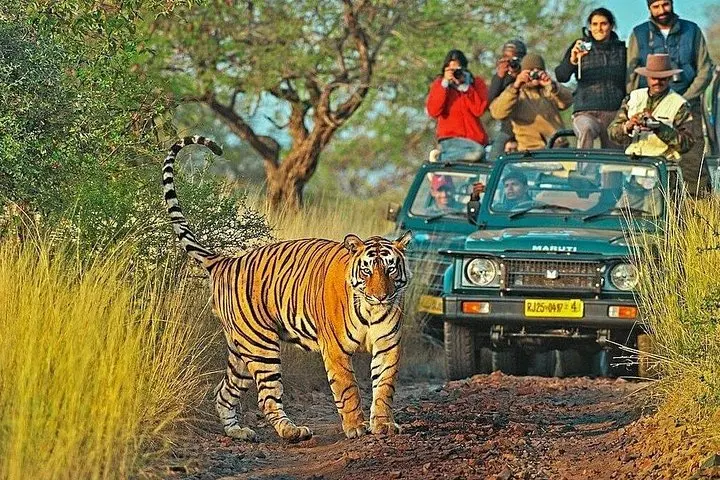
Traverse the Golden Triangle—Delhi, Agra and Jaipur—then head into Ranthambore for two jungle safaris. This eight-day private tour combines UNESCO monuments, bustling markets, and a real chance to see Bengal tigers in protected habitat.
Traverse the Golden Triangle—Delhi, Agra and Jaipur—then head into Ranthambore for two jungle safaris. This eight-day private tour combines UNESCO monuments, bustling markets, and a real chance to see Bengal tigers in protected habitat.
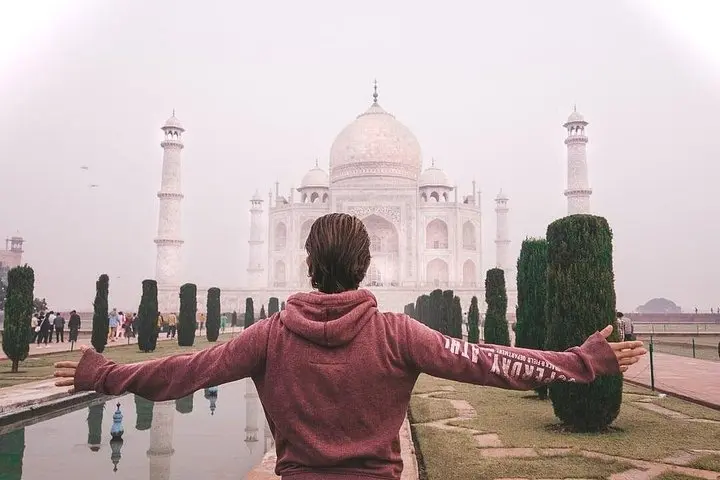
You arrive in Delhi and the city greets you with honking rickshaws, late-afternoon light on sandstone, and a private car waiting to roll you into the heart of north India. Over eight days the landscape shifts from congested bazaars to the river plains where the Taj Mahal stands, then east across scrub forest to Ranthambore where the jungle seems to hold its breath before a safari.
Verified experiences and guided adventures in the surrounding area.
Operated by castle tours india · New Delhi, Delhi
You arrive in Delhi and the city greets you with honking rickshaws, late-afternoon light on sandstone, and a private car waiting to roll you into the heart of north India. Over eight days the landscape shifts from congested bazaars to the river plains where the Taj Mahal stands, then east across scrub forest to Ranthambore where the jungle seems to hold its breath before a safari.
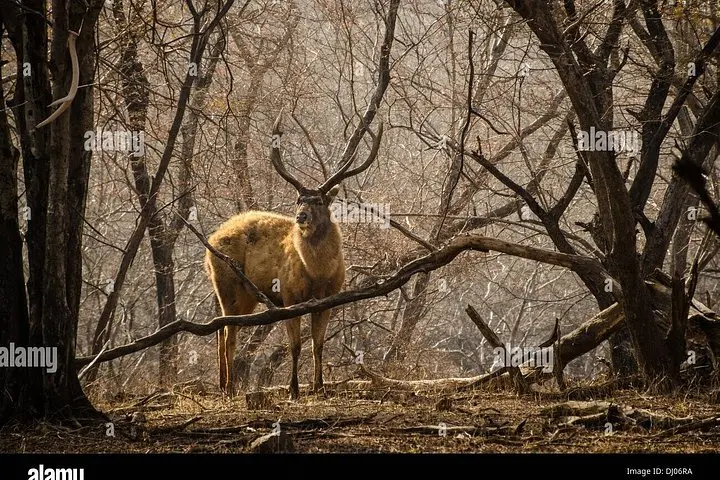
This itinerary threads together Mughal and Rajput history: Humayun's Tomb and the Qutub Minar speak to imperial ambition, Agra Fort and the Taj map a story of power and grief, while Jaipur's Amer Fort and Jantar Mantar reveal royal science and military architecture. Geologically the region sits on the Indo-Gangetic plains; Ranthambore's rocky outcrops and seasonal lakes create tiger habitat amid dry deciduous forest.
Culture surfaces in market alleys, hand-blocked textiles, and the clatter of a Chandni Chowk rickshaw. Locals sell spices and stories; guides offer context that turns monuments into human narratives rather than photo backdrops.
Practical guidance: plan early morning safaris for the best wildlife sightings and cooler temperatures. Expect city walking on uneven pavements and multiple short drives; carry comfortable shoes, a sun hat, and a light rain layer in monsoon months. Hydrate frequently, keep copies of travel documents, and allow cushion time for traffic. Respect park rules on safaris, follow your guide, and be ready for long but richly varied days that mix architecture, market life, and a chance to see Bengal tigers in the wild.
October to March offers cooler weather, clearer skies, and higher chances of tiger sightings as animals forage near water sources.
Safaris are generally safe but involve bumpy jeep rides and early starts; inform the operator of health concerns and choose lower-risk options if needed.
This itinerary includes entry passes for listed monuments such as Taj Mahal and Agra Fort; check your booking confirmation for specifics.
Expect several hours of walking at monuments and markets over multiple days, including stairs at forts and uneven pavements.
castle tours india operates guided outdoor trips and adventures with an emphasis on safety, stewardship, and memorable experiences.

You arrive in Delhi and the city greets you with honking rickshaws, late-afternoon light on sandstone, and a private car waiting to roll you into the heart of north India. Over eight days the landscape shifts from congested bazaars to the river plains where the Taj Mahal stands, then east across scrub forest to Ranthambore where the jungle seems to hold its breath before a safari.
You arrive in Delhi and the city greets you with honking rickshaws, late-afternoon light on sandstone, and a private car waiting to roll you into the heart of north India. Over eight days the landscape shifts from congested bazaars to the river plains where the Taj Mahal stands, then east across scrub forest to Ranthambore where the jungle seems to hold its breath before a safari.
This itinerary threads together Mughal and Rajput history: Humayun's Tomb and the Qutub Minar speak to imperial ambition, Agra Fort and the Taj map a story of power and grief, while Jaipur's Amer Fort and Jantar Mantar reveal royal science and military architecture. Geologically the region sits on the Indo-Gangetic plains; Ranthambore's rocky outcrops and seasonal lakes create tiger habitat amid dry deciduous forest.
Culture surfaces in market alleys, hand-blocked textiles, and the clatter of a Chandni Chowk rickshaw. Locals sell spices and stories; guides offer context that turns monuments into human narratives rather than photo backdrops.
Practical guidance: plan early morning safaris for the best wildlife sightings and cooler temperatures. Expect city walking on uneven pavements and multiple short drives; carry comfortable shoes, a sun hat, and a light rain layer in monsoon months. Hydrate frequently, keep copies of travel documents, and allow cushion time for traffic. Respect park rules on safaris, follow your guide, and be ready for long but richly varied days that mix architecture, market life, and a chance to see Bengal tigers in the wild.