THE ADVENTURE COLLECTIVE® · Independent discovery and booking for outdoor travel

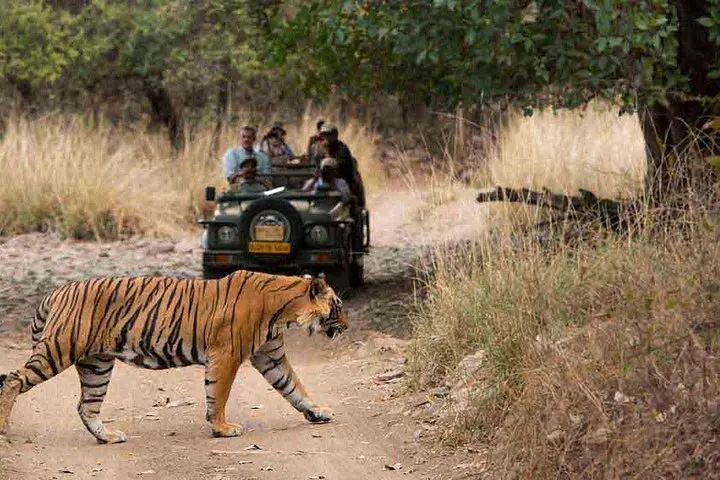
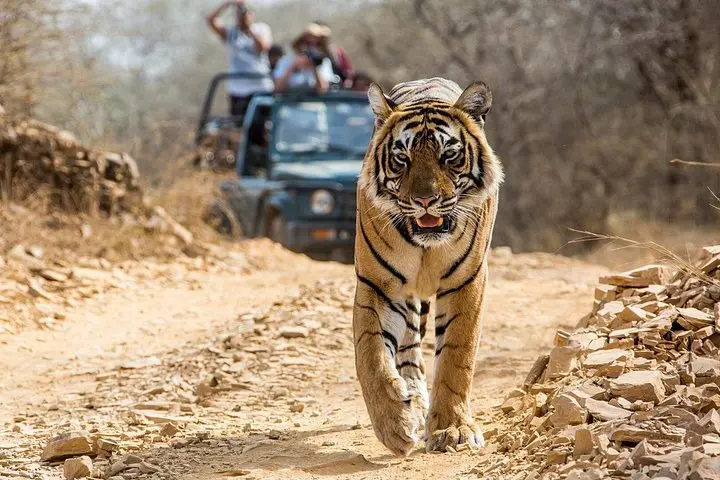
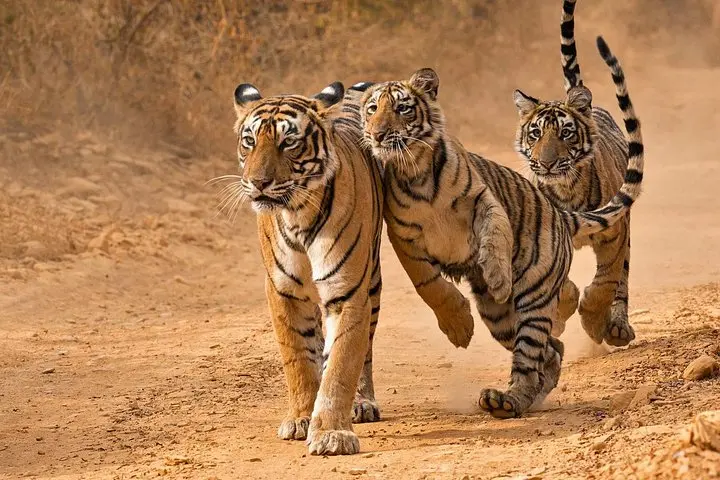
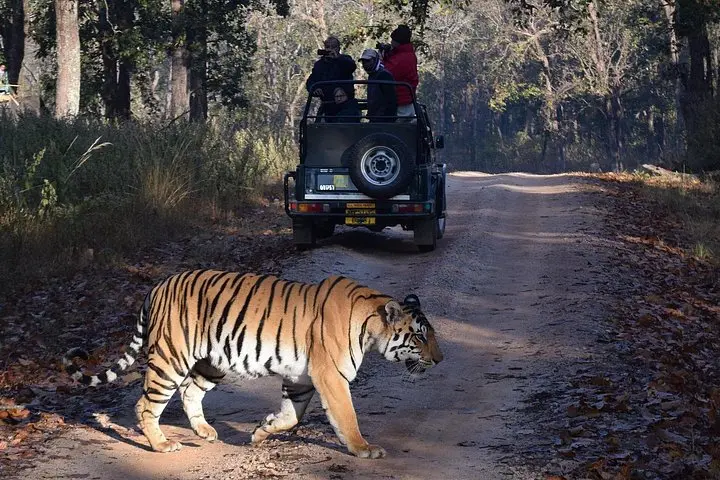
This four-day Golden Triangle circuit pairs sunrise at the Taj with a morning safari in Ranthambore. Expect historic forts and city tours in Delhi, Agra and Jaipur, plus early-morning wildlife drives where tigers gather at waterholes.
This four-day Golden Triangle circuit pairs sunrise at the Taj with a morning safari in Ranthambore. Expect historic forts and city tours in Delhi, Agra and Jaipur, plus early-morning wildlife drives where tigers gather at waterholes.
You step off the car at dawn outside the Taj Mahal as a cool river of light lifts off the Yamuna — marble glowing, minarets sharpening — then the day slides into forts, bazaars and a different kind of wilderness at Ranthambore where the forest dares you to spot a tiger.
Verified experiences and guided adventures in the surrounding area.
Operated by Jaipur Trip · Sawai Madhopur, Rajasthan
You step off the car at dawn outside the Taj Mahal as a cool river of light lifts off the Yamuna — marble glowing, minarets sharpening — then the day slides into forts, bazaars and a different kind of wilderness at Ranthambore where the forest dares you to spot a tiger.
This four-day loop traces layers of northern India: Mughal craft in Agra's white marble and Agra Fort's red sandstone, Rajput hill forts and observatories in Jaipur, and geological ridgelines and lakes that punctuate Ranthambore’s dry-deciduous landscape. The region sits at the edge of the Aravalli uplift and all three cities wear their history visibly — imperial mausolea, colonial avenues, and ornate palaces that reflect centuries of trade, conquest and courtly life.
Expect long drives (Delhi–Agra, Agra–Ranthambore, Ranthambore–Jaipur, Jaipur–Delhi), guided city walks, a sunrise Taj visit, and a shared morning jeep/canter safari inside Ranthambore National Park where tigers and large herbivores concentrate around waterholes. Cultural notes: local markets offer block-printed textiles and marble inlay; cuisine moves from Mughlai richness to Rajasthani spice.
Practical guidance: travel light but bring layered clothing for cool mornings and hot afternoons, binoculars and a telephoto-ready camera, and reusable water. Book safari slots early (permit/vehicle allocation is limited), plan flights leaving Delhi after the late-afternoon return on day four, and follow park rules — stay in the vehicle, keep noise low, and listen to your guide. With logistics handled, the route delivers heritage, wildlife, and the steady rhythm of travel across Rajasthan and Uttar Pradesh.
Yes — the itinerary lists a morning jungle safari in a shared Jeep/Canter as an inclusion; park entry and the shared vehicle are provided by the operator.
The best months are October through June when park roads are open and animals often visit waterholes; dawn safaris generally offer the highest chances.
Expect full-day transfers: Delhi–Agra, Agra–Ranthambore, Ranthambore–Jaipur and Jaipur–Delhi, each lasting several hours — prepare for long but scenic stretches.
The tour is rated suitable for most fitness levels but is not recommended for travelers with serious spinal, cardiovascular issues or pregnant travelers due to safari terrain and vehicle constraints.
Jaipur Trip operates guided outdoor trips and adventures with an emphasis on safety, stewardship, and memorable experiences.
You step off the car at dawn outside the Taj Mahal as a cool river of light lifts off the Yamuna — marble glowing, minarets sharpening — then the day slides into forts, bazaars and a different kind of wilderness at Ranthambore where the forest dares you to spot a tiger.
You step off the car at dawn outside the Taj Mahal as a cool river of light lifts off the Yamuna — marble glowing, minarets sharpening — then the day slides into forts, bazaars and a different kind of wilderness at Ranthambore where the forest dares you to spot a tiger.
This four-day loop traces layers of northern India: Mughal craft in Agra's white marble and Agra Fort's red sandstone, Rajput hill forts and observatories in Jaipur, and geological ridgelines and lakes that punctuate Ranthambore’s dry-deciduous landscape. The region sits at the edge of the Aravalli uplift and all three cities wear their history visibly — imperial mausolea, colonial avenues, and ornate palaces that reflect centuries of trade, conquest and courtly life.
Expect long drives (Delhi–Agra, Agra–Ranthambore, Ranthambore–Jaipur, Jaipur–Delhi), guided city walks, a sunrise Taj visit, and a shared morning jeep/canter safari inside Ranthambore National Park where tigers and large herbivores concentrate around waterholes. Cultural notes: local markets offer block-printed textiles and marble inlay; cuisine moves from Mughlai richness to Rajasthani spice.
Practical guidance: travel light but bring layered clothing for cool mornings and hot afternoons, binoculars and a telephoto-ready camera, and reusable water. Book safari slots early (permit/vehicle allocation is limited), plan flights leaving Delhi after the late-afternoon return on day four, and follow park rules — stay in the vehicle, keep noise low, and listen to your guide. With logistics handled, the route delivers heritage, wildlife, and the steady rhythm of travel across Rajasthan and Uttar Pradesh.