THE ADVENTURE COLLECTIVE® · Independent discovery and booking for outdoor travel

A compact, private four‑day loop through Delhi, Agra, Jaipur and Ranthambhore that combines UNESCO sites with a morning Bengal tiger safari. Early mornings, guided transfers and handpicked stops make it ideal for travelers who want heritage and wildlife in one trip.
A compact, private four‑day loop through Delhi, Agra, Jaipur and Ranthambhore that combines UNESCO sites with a morning Bengal tiger safari. Early mornings, guided transfers and handpicked stops make it ideal for travelers who want heritage and wildlife in one trip.
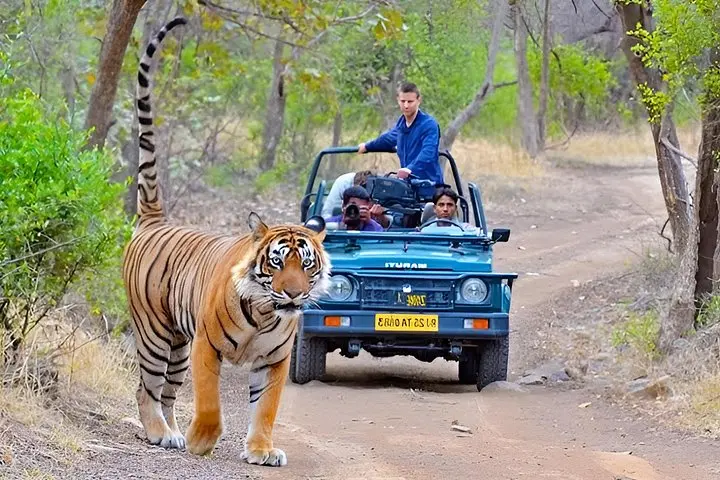
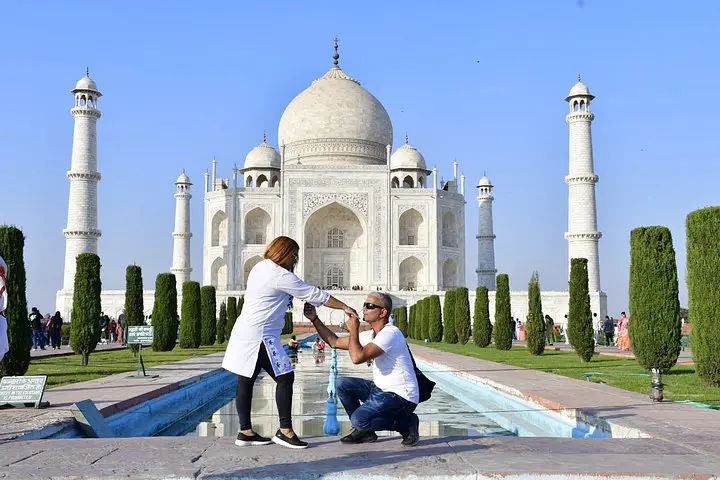
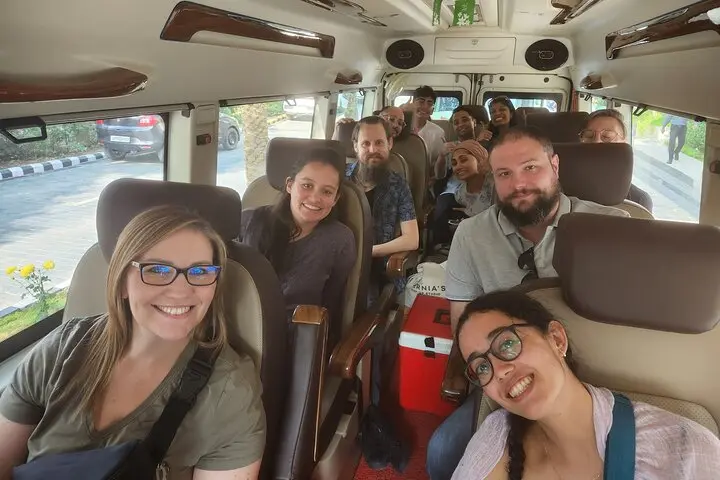
Morning light slips across India’s plains and the roads hum with scooters, camels of commerce and the steady thrum of an air‑conditioned private car. On this four‑day route travelers move from Delhi’s layered monuments to the Taj’s marble hush at sunrise, then into Ranthambhore’s scrub where the forest seems to breathe and the tiger’s territory dares you to look closer.
Verified experiences and guided adventures in the surrounding area.
Operated by Taj Mirror Tours · New Delhi, Delhi
Morning light slips across India’s plains and the roads hum with scooters, camels of commerce and the steady thrum of an air‑conditioned private car. On this four‑day route travelers move from Delhi’s layered monuments to the Taj’s marble hush at sunrise, then into Ranthambhore’s scrub where the forest seems to breathe and the tiger’s territory dares you to look closer.
The Golden Triangle—Delhi, Agra and Jaipur—maps three eras of Mughal and Rajput power: Qutub Minar’s stonework, Shah Jahan’s white-marble symmetry and Jaipur’s 18th‑century urban plan with its observational observatory. Ranthambhore, carved into the dry Aravalli foothills, pairs 10th‑century fortifications with floodplain lakes that draw wildlife; the park is a Project Tiger success story and a living classroom of predator-prey dynamics.
Culture here is tactile: bazaars sell block-printed textiles and brass, guides point out architectural inscriptions, and breakfasts shift from parathas to Rajasthani thalis. Geology is visible—sandstone ramparts, alluvial plains by the Yamuna, and granite outcrops in Ranthambhore that hold centuries of human marks.
Practically: expect early starts for the Taj at sunrise and morning safaris when wildlife are most active. Temperatures vary—carry layers and sun protection, and keep identification handy for monument entry. Follow your guide’s route in the national park, keep to vehicles during safaris, and bring binoculars for better sightings. With private transfers and a local guide, this itinerary balances pacing and immersion—ancient forts, cathedral-like tombs and a chance at a tiger sighting within four compact, focused days.
No—tigers are wild and sightings depend on luck, season and animal movement; guides improve chances but sightings cannot be promised.
Yes—hotel nights are included if you select the package option that specifies 3 or 5‑star accommodation with breakfast.
Yes—the private nature of the tour allows customization for pickup/drop‑off locations, pacing and specific site interests with advance notice.
Most nationalities require a visa or e‑visa—check current Indian visa rules before booking and carry physical ID while touring.
Taj Mirror Tours operates guided outdoor trips and adventures with an emphasis on safety, stewardship, and memorable experiences.

Morning light slips across India’s plains and the roads hum with scooters, camels of commerce and the steady thrum of an air‑conditioned private car. On this four‑day route travelers move from Delhi’s layered monuments to the Taj’s marble hush at sunrise, then into Ranthambhore’s scrub where the forest seems to breathe and the tiger’s territory dares you to look closer.
Morning light slips across India’s plains and the roads hum with scooters, camels of commerce and the steady thrum of an air‑conditioned private car. On this four‑day route travelers move from Delhi’s layered monuments to the Taj’s marble hush at sunrise, then into Ranthambhore’s scrub where the forest seems to breathe and the tiger’s territory dares you to look closer.
The Golden Triangle—Delhi, Agra and Jaipur—maps three eras of Mughal and Rajput power: Qutub Minar’s stonework, Shah Jahan’s white-marble symmetry and Jaipur’s 18th‑century urban plan with its observational observatory. Ranthambhore, carved into the dry Aravalli foothills, pairs 10th‑century fortifications with floodplain lakes that draw wildlife; the park is a Project Tiger success story and a living classroom of predator-prey dynamics.
Culture here is tactile: bazaars sell block-printed textiles and brass, guides point out architectural inscriptions, and breakfasts shift from parathas to Rajasthani thalis. Geology is visible—sandstone ramparts, alluvial plains by the Yamuna, and granite outcrops in Ranthambhore that hold centuries of human marks.
Practically: expect early starts for the Taj at sunrise and morning safaris when wildlife are most active. Temperatures vary—carry layers and sun protection, and keep identification handy for monument entry. Follow your guide’s route in the national park, keep to vehicles during safaris, and bring binoculars for better sightings. With private transfers and a local guide, this itinerary balances pacing and immersion—ancient forts, cathedral-like tombs and a chance at a tiger sighting within four compact, focused days.