THE ADVENTURE COLLECTIVE® · Independent discovery and booking for outdoor travel

A compact six-day loop from New Delhi to Agra, Ranthambore and Jaipur that pairs sunrise at the Taj Mahal with morning and evening tiger safaris. Expect manageable drives, two safari days, and guided walks through Mughal and Rajput landmarks.
A compact six-day loop from New Delhi to Agra, Ranthambore and Jaipur that pairs sunrise at the Taj Mahal with morning and evening tiger safaris. Expect manageable drives, two safari days, and guided walks through Mughal and Rajput landmarks.
The day begins before most of the city wakes—fog lifts off the Yamuna as your vehicle threads through Delhi’s wide boulevards toward a sunrise visit at the Taj Mahal.
Verified experiences and guided adventures in the surrounding area.
Operated by Tour Guide Delhi · New Delhi, Delhi
The day begins before most of the city wakes—fog lifts off the Yamuna as your vehicle threads through Delhi’s wide boulevards toward a sunrise visit at the Taj Mahal.
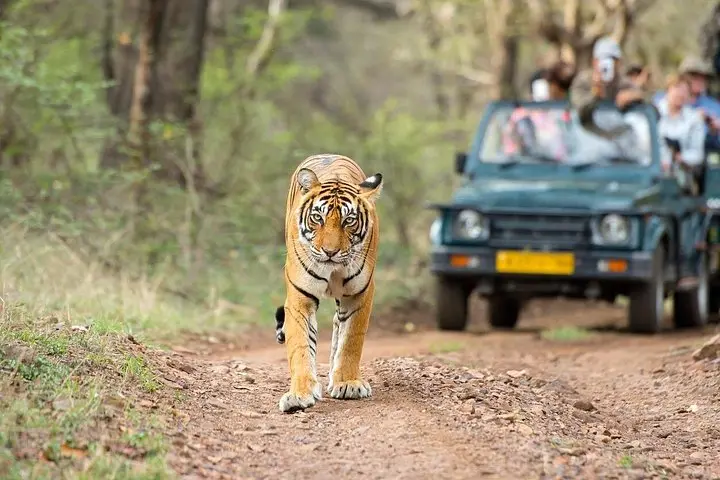
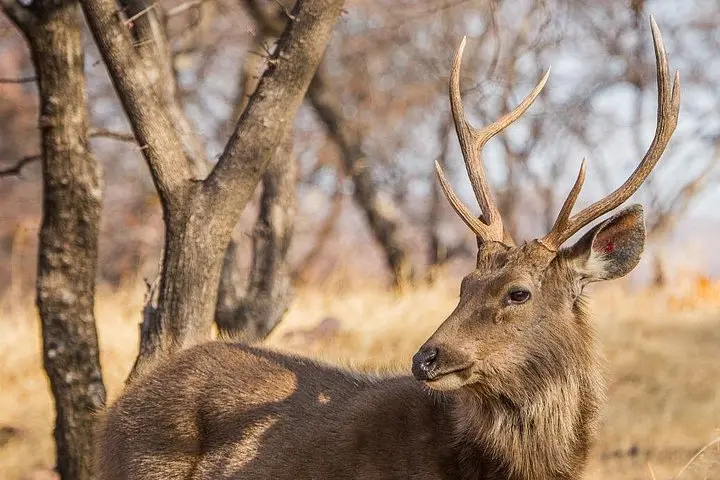
Over six days you move from the carved red sandstone of Mughal forts to the scrub jungle of Ranthambore, where early-morning jeeps hunt the light for the tiger’s silhouette. The route follows a clear arc of Indian history: Mughal monuments in Delhi and Agra, the Rajput palaces and observatories of Jaipur, and the dry deciduous forests around Ranthambore that were once royal hunting grounds and are now a critical tiger reserve.
Geology here is simple and visible—limestone plains giving way to rocky outcrops and low Aravalli ridges near Jaipur. Culture is equally evident: bazaars, mosque courtyards, stepwells and city gates that mark centuries of trade and court life.
Practically, expect long but manageable drives (Delhi–Agra ~3–4 hrs; Agra–Ranthambore ~5–6 hrs; Ranthambore–Jaipur ~3–4 hrs). Safaris run early and late—arrive cold, leave sun-baked. Wear closed walking shoes for monuments and uneven trails in parks; bring a water bottle and sunscreen for midday heat. Carry binoculars and a camera with a telephoto lens for wildlife; follow park rules inside Ranthambore and keep noise low. Hotels are a mix of 3–5 star options and included breakfasts ease mornings. If you travel November–March, book early—the Taj at sunrise and tiger sightings draw crowds. This itinerary balances cultural landmarks with two full safari opportunities, giving both history lovers and wildlife seekers a compact, well-paced sample of northern India.
Sightings are not guaranteed, but two scheduled safaris (early morning and afternoon) improve odds; peak visibility is in the dry season when animals gather near water.
Yes—sunrise reduces crowding, soft light flatters the marble and temperatures are cooler for walking; expect to spend 1.5–2 hours onsite.
Park entry and vehicle permits are handled by operators for scheduled safaris; ensure your booking confirms permitted jeep/canter transport and guide presence.
Breakfasts are included; for other meals choose busy, reputable restaurants and drink bottled or filtered water—avoid tap water and ice if unsure.
Tour Guide Delhi operates guided outdoor trips and adventures with an emphasis on safety, stewardship, and memorable experiences.


The day begins before most of the city wakes—fog lifts off the Yamuna as your vehicle threads through Delhi’s wide boulevards toward a sunrise visit at the Taj Mahal.
The day begins before most of the city wakes—fog lifts off the Yamuna as your vehicle threads through Delhi’s wide boulevards toward a sunrise visit at the Taj Mahal.
Over six days you move from the carved red sandstone of Mughal forts to the scrub jungle of Ranthambore, where early-morning jeeps hunt the light for the tiger’s silhouette. The route follows a clear arc of Indian history: Mughal monuments in Delhi and Agra, the Rajput palaces and observatories of Jaipur, and the dry deciduous forests around Ranthambore that were once royal hunting grounds and are now a critical tiger reserve.
Geology here is simple and visible—limestone plains giving way to rocky outcrops and low Aravalli ridges near Jaipur. Culture is equally evident: bazaars, mosque courtyards, stepwells and city gates that mark centuries of trade and court life.
Practically, expect long but manageable drives (Delhi–Agra ~3–4 hrs; Agra–Ranthambore ~5–6 hrs; Ranthambore–Jaipur ~3–4 hrs). Safaris run early and late—arrive cold, leave sun-baked. Wear closed walking shoes for monuments and uneven trails in parks; bring a water bottle and sunscreen for midday heat. Carry binoculars and a camera with a telephoto lens for wildlife; follow park rules inside Ranthambore and keep noise low. Hotels are a mix of 3–5 star options and included breakfasts ease mornings. If you travel November–March, book early—the Taj at sunrise and tiger sightings draw crowds. This itinerary balances cultural landmarks with two full safari opportunities, giving both history lovers and wildlife seekers a compact, well-paced sample of northern India.