THE ADVENTURE COLLECTIVE® · Independent discovery and booking for outdoor travel

Cover Delhi, Agra, Jaipur, Ranthambore and Varanasi in seven days—sunrise on the Ganges, the Taj at first light, and an early-morning tiger safari. This itinerary balances packed city history with measured time in the park and on the river.
Cover Delhi, Agra, Jaipur, Ranthambore and Varanasi in seven days—sunrise on the Ganges, the Taj at first light, and an early-morning tiger safari. This itinerary balances packed city history with measured time in the park and on the river.
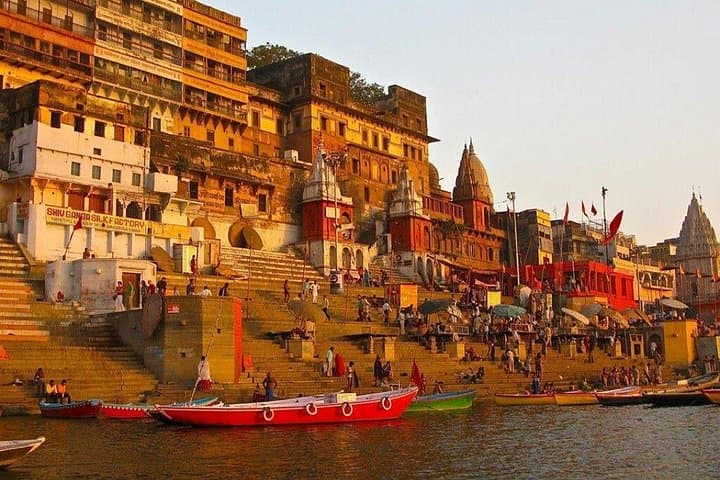
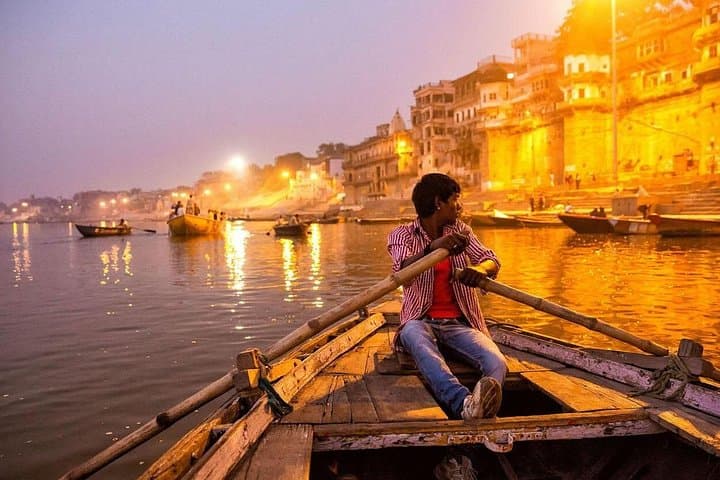
A first light over the Ganges frames Varanasi’s stone ghats in a hush of smoke and rowing oars; later that day the motor hum of an air-conditioned car will push through the plains toward the sand-colored ramparts of Agra and the pink façades of Jaipur. This seven-day circuit stitches metropolitan Delhi, the Mughal monuments of Agra, Jaipur’s Rajput architecture, the dry forests of Ranthambore and the living temples of Varanasi into a compact survey of northern India’s urban and wild edges.
Verified experiences and guided adventures in the surrounding area.
Operated by Agra Taj Visit · New Delhi, Delhi
A first light over the Ganges frames Varanasi’s stone ghats in a hush of smoke and rowing oars; later that day the motor hum of an air-conditioned car will push through the plains toward the sand-colored ramparts of Agra and the pink façades of Jaipur. This seven-day circuit stitches metropolitan Delhi, the Mughal monuments of Agra, Jaipur’s Rajput architecture, the dry forests of Ranthambore and the living temples of Varanasi into a compact survey of northern India’s urban and wild edges.
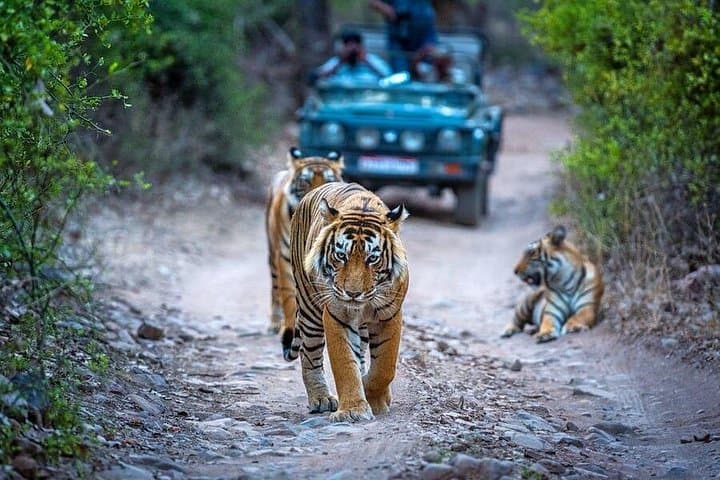
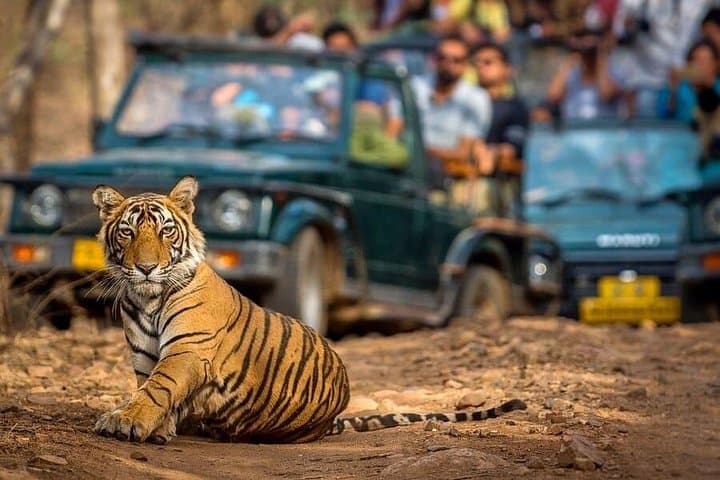
Historically this route maps Mughal and Rajput power—Taj Mahal and Agra Fort arise from 16th–17th century imperial patronage while Jaipur’s planned streets reflect 18th-century royal city-building. Geology shifts from the alluvial Gangetic plains around Varanasi and Agra to the low Aravalli outcrops that frame Jaipur and Ranthambore, where granite ridges and seasonal lakes concentrate wildlife. Culturally the trip alternates ritual and tourism: morning puja on the Ganges, evening Aarti at Dashashwamedh, market bargaining in pink-city bazaars, and the controlled adrenaline of a Ranthambore jeep safari seeking Bengal tigers.
Practical guidance: expect long transfers (several 3–6 hour drives) and one overnight train; schedule dawn activities—Taj at sunrise and Ganges boat rides—for best light and crowd management. Ranthambore safaris are timed early morning or late afternoon and require patience, binoculars, and respect for park rules; carry bottled water, sun protection, and modest clothing for temple visits. Book permits and guides in advance during peak season and allow buffer time for road traffic and railway connections.
Taj Mahal is closed on Fridays for congregational prayers; visit at sunrise on other days to avoid crowds.
Sightings aren’t guaranteed; Ranthambore has a healthy tiger population but sightings depend on luck, season, and guide knowledge.
Park permits and vehicle slots are managed by park authorities and usually organized by tour operators—book these in advance during peak season.
Trains range from basic sleeper class to AC coaches; this itinerary includes an overnight train—choose higher classes for more comfort.
Agra Taj Visit operates guided outdoor trips and adventures with an emphasis on safety, stewardship, and memorable experiences.
A first light over the Ganges frames Varanasi’s stone ghats in a hush of smoke and rowing oars; later that day the motor hum of an air-conditioned car will push through the plains toward the sand-colored ramparts of Agra and the pink façades of Jaipur. This seven-day circuit stitches metropolitan Delhi, the Mughal monuments of Agra, Jaipur’s Rajput architecture, the dry forests of Ranthambore and the living temples of Varanasi into a compact survey of northern India’s urban and wild edges.
A first light over the Ganges frames Varanasi’s stone ghats in a hush of smoke and rowing oars; later that day the motor hum of an air-conditioned car will push through the plains toward the sand-colored ramparts of Agra and the pink façades of Jaipur. This seven-day circuit stitches metropolitan Delhi, the Mughal monuments of Agra, Jaipur’s Rajput architecture, the dry forests of Ranthambore and the living temples of Varanasi into a compact survey of northern India’s urban and wild edges.
Historically this route maps Mughal and Rajput power—Taj Mahal and Agra Fort arise from 16th–17th century imperial patronage while Jaipur’s planned streets reflect 18th-century royal city-building. Geology shifts from the alluvial Gangetic plains around Varanasi and Agra to the low Aravalli outcrops that frame Jaipur and Ranthambore, where granite ridges and seasonal lakes concentrate wildlife. Culturally the trip alternates ritual and tourism: morning puja on the Ganges, evening Aarti at Dashashwamedh, market bargaining in pink-city bazaars, and the controlled adrenaline of a Ranthambore jeep safari seeking Bengal tigers.
Practical guidance: expect long transfers (several 3–6 hour drives) and one overnight train; schedule dawn activities—Taj at sunrise and Ganges boat rides—for best light and crowd management. Ranthambore safaris are timed early morning or late afternoon and require patience, binoculars, and respect for park rules; carry bottled water, sun protection, and modest clothing for temple visits. Book permits and guides in advance during peak season and allow buffer time for road traffic and railway connections.