THE ADVENTURE COLLECTIVE® · Independent discovery and booking for outdoor travel

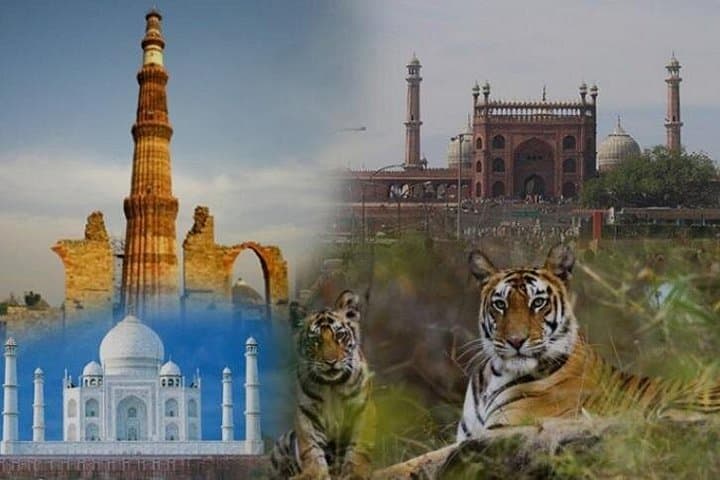
A seven-day loop from Delhi through Agra, Bharatpur and Ranthambore to Jaipur that combines Taj Mahal sightseeing with birding at Bharatpur and tiger safaris in Ranthambore. Expect early starts, private transfers, and a blend of Mughal history and active wildlife viewing.
A seven-day loop from Delhi through Agra, Bharatpur and Ranthambore to Jaipur that combines Taj Mahal sightseeing with birding at Bharatpur and tiger safaris in Ranthambore. Expect early starts, private transfers, and a blend of Mughal history and active wildlife viewing.
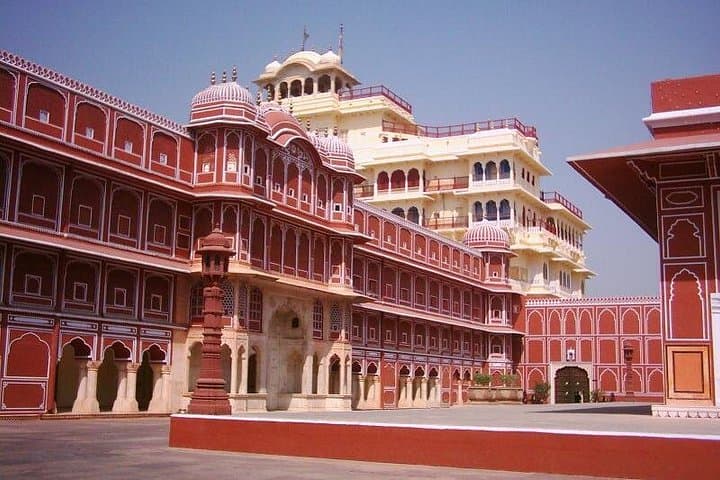
Before dawn the jeep threads between granite outcrops in Ranthambore, mist lifting off a dry tank as a call of peafowl pulls the forest awake. Over the next seven days the same tour folds together urban stone and wild grasslands — New Delhi’s broad avenues, Agra’s white-marble precision at sunrise, the shallow wetlands of Bharatpur alive with migratory flocks, and the sun-baked red forts and bazaars of Jaipur.
Verified experiences and guided adventures in the surrounding area.
Operated by INDIAN DISCOVERIES TOURS · New Delhi, Delhi
Before dawn the jeep threads between granite outcrops in Ranthambore, mist lifting off a dry tank as a call of peafowl pulls the forest awake. Over the next seven days the same tour folds together urban stone and wild grasslands — New Delhi’s broad avenues, Agra’s white-marble precision at sunrise, the shallow wetlands of Bharatpur alive with migratory flocks, and the sun-baked red forts and bazaars of Jaipur.
Historically this route traces Mughal power and Rajput courts: the Taj Mahal and Agra Fort date to the 16th–17th centuries, Fatehpur Sikri stands as an abandoned Mughal capital, and Jaipur’s city planning reflects 18th-century royal ambitions. Geologically the parks and forts sit on alluvial plains and Aravalli outcrops; Ranthambore’s granite ridges create vantage points that tigers use, while Bharatpur’s man-made bunds shape seasonal wetlands attracting waterbirds.
Culturally, expect layered cuisine and lively markets where crafts and textiles are central to local livelihoods. On wildlife drives, patience matters: tigers move on their own timetable and Bharatpur is best for birding in cooler months when migrants arrive.
Practical guidance: plan Taj Mahal visits at first light to avoid crowds; book Ranthambore safaris early morning or late afternoon; carry binoculars and neutral-colored clothing; leave plastic behind and follow park rules for distance and noise. Accommodation is hotel-based; travel is by private vehicle with daily breakfasts. With modest fitness and an appetite for varied days — city walking and short nature treks — travelers will find this itinerary balanced between history and active wildlife viewing.
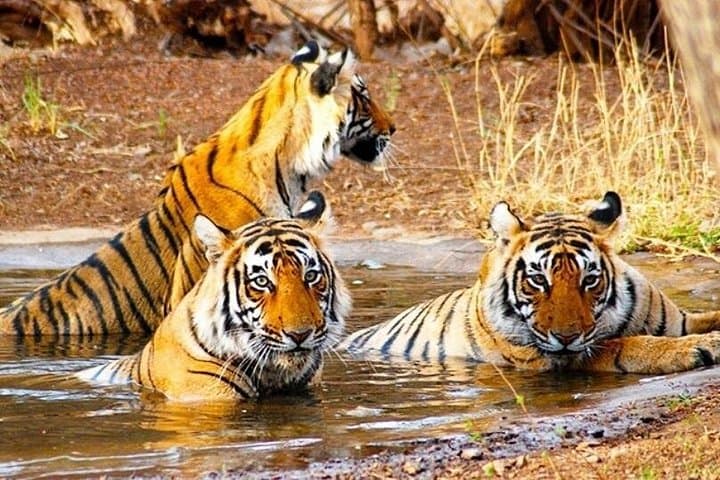
Ranthambore has a healthy tiger population but sightings are not guaranteed; morning and late-afternoon safaris improve chances and experienced guides know local tiger movements.
Yes—drives can be 3–6 hours depending on stretch (e.g., Bharatpur to Ranthambore ~225 km); private transfers are included and breaks are planned into the itinerary.
Visitors to India typically require a valid visa; routine vaccinations are recommended—check current health and entry requirements well before travel.
Jeep safaris are commonly accessible but involve uneven boarding and long periods sitting; inform the operator of special needs so they can arrange appropriate vehicles and seating.
INDIAN DISCOVERIES TOURS operates guided outdoor trips and adventures with an emphasis on safety, stewardship, and memorable experiences.

Before dawn the jeep threads between granite outcrops in Ranthambore, mist lifting off a dry tank as a call of peafowl pulls the forest awake. Over the next seven days the same tour folds together urban stone and wild grasslands — New Delhi’s broad avenues, Agra’s white-marble precision at sunrise, the shallow wetlands of Bharatpur alive with migratory flocks, and the sun-baked red forts and bazaars of Jaipur.
Before dawn the jeep threads between granite outcrops in Ranthambore, mist lifting off a dry tank as a call of peafowl pulls the forest awake. Over the next seven days the same tour folds together urban stone and wild grasslands — New Delhi’s broad avenues, Agra’s white-marble precision at sunrise, the shallow wetlands of Bharatpur alive with migratory flocks, and the sun-baked red forts and bazaars of Jaipur.
Historically this route traces Mughal power and Rajput courts: the Taj Mahal and Agra Fort date to the 16th–17th centuries, Fatehpur Sikri stands as an abandoned Mughal capital, and Jaipur’s city planning reflects 18th-century royal ambitions. Geologically the parks and forts sit on alluvial plains and Aravalli outcrops; Ranthambore’s granite ridges create vantage points that tigers use, while Bharatpur’s man-made bunds shape seasonal wetlands attracting waterbirds.
Culturally, expect layered cuisine and lively markets where crafts and textiles are central to local livelihoods. On wildlife drives, patience matters: tigers move on their own timetable and Bharatpur is best for birding in cooler months when migrants arrive.
Practical guidance: plan Taj Mahal visits at first light to avoid crowds; book Ranthambore safaris early morning or late afternoon; carry binoculars and neutral-colored clothing; leave plastic behind and follow park rules for distance and noise. Accommodation is hotel-based; travel is by private vehicle with daily breakfasts. With modest fitness and an appetite for varied days — city walking and short nature treks — travelers will find this itinerary balanced between history and active wildlife viewing.