THE ADVENTURE COLLECTIVE® · Independent discovery and booking for outdoor travel

Combine sunrise at the Taj Mahal with jeep safaris in Ranthambore on this 8-day loop through Delhi, Agra and Jaipur. Expect early starts for wildlife viewing, guided city tours of UNESCO monuments, and comfortable transfers between iconic sites.
Combine sunrise at the Taj Mahal with jeep safaris in Ranthambore on this 8-day loop through Delhi, Agra and Jaipur. Expect early starts for wildlife viewing, guided city tours of UNESCO monuments, and comfortable transfers between iconic sites.
A predawn hush settles on the Yamuna as you step toward the Taj Mahal at sunrise—marble cooling under a pale sky, call to prayer and bargaining voices still hours away. Later the road widens into Rajasthan’s scrub as the vehicle hums toward Ranthambore, where early-morning jeeps thread between boulders and dry riverbeds, searching for the slow, deliberate shadow of a Bengal tiger.
Verified experiences and guided adventures in the surrounding area.
Operated by Tour Guide Delhi · New Delhi, Delhi
A predawn hush settles on the Yamuna as you step toward the Taj Mahal at sunrise—marble cooling under a pale sky, call to prayer and bargaining voices still hours away. Later the road widens into Rajasthan’s scrub as the vehicle hums toward Ranthambore, where early-morning jeeps thread between boulders and dry riverbeds, searching for the slow, deliberate shadow of a Bengal tiger.
This itinerary stitches together three of India’s historic cores—Delhi’s layered Mughal and colonial monuments, Agra’s ivory-marble crown, and Jaipur’s painted palaces—with two dedicated jungle safaris in Ranthambore National Park. Geologically the route moves from alluvial plains around the Yamuna to the Vindhya’s outcrops and granite ridges that shape Ranthambore’s rocky habitat. Culturally, expect living traditions: Mughal-era architecture, Rajasthani bazaars, and temple rituals that punctuate the day.
Practical guidance: schedule the Taj for sunrise to avoid crowds and heat; safaris run at dawn and late afternoon—arrive early and keep camera batteries charged. Wear neutral clothing and closed shoes for park drives; binoculars and a long lens improve sightings. Respect local customs—modest dress at temples—and follow park rules: stay in the vehicle, keep noise low, and never feed wildlife. Hydrate frequently in summer and layer for cold winter mornings in the park. Transfers are long but comfortable; factor in 3–5 hour drives between major stops. With a mix of monuments and wildlife, this trip balances cultural immersion and active wildlife viewing for travelers who want history and a genuine chance at seeing India’s apex predator.
No—tigers are wild and sightings depend on luck, timing, and park conditions; two safaris increase your chances but there are no guarantees.
Yes—this private tour accommodates most ages with vehicle transfers and short walks; inform operators of mobility needs for accessible arrangements.
The tour includes guided sightseeing and two shared jungle safaris, plus hotel transfers and breakfasts; check booking details for entrance fees and optional extras.
October–March balances mild city weather and clear safari mornings, while late winter can be misty but productive for wildlife viewing.
Tour Guide Delhi operates guided outdoor trips and adventures with an emphasis on safety, stewardship, and memorable experiences.
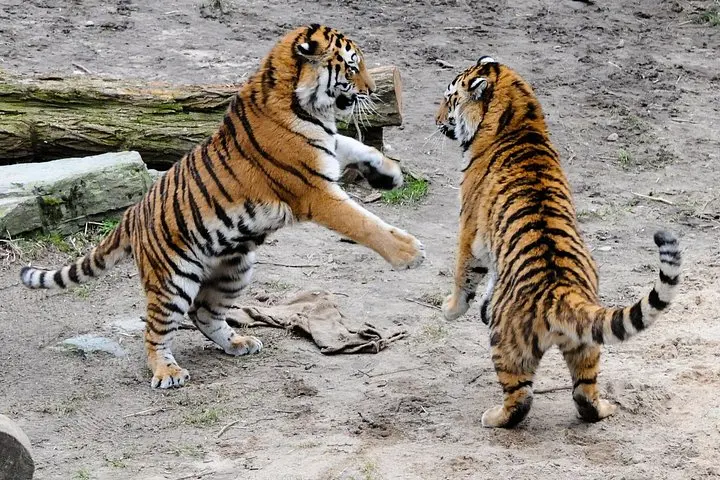



A predawn hush settles on the Yamuna as you step toward the Taj Mahal at sunrise—marble cooling under a pale sky, call to prayer and bargaining voices still hours away. Later the road widens into Rajasthan’s scrub as the vehicle hums toward Ranthambore, where early-morning jeeps thread between boulders and dry riverbeds, searching for the slow, deliberate shadow of a Bengal tiger.
A predawn hush settles on the Yamuna as you step toward the Taj Mahal at sunrise—marble cooling under a pale sky, call to prayer and bargaining voices still hours away. Later the road widens into Rajasthan’s scrub as the vehicle hums toward Ranthambore, where early-morning jeeps thread between boulders and dry riverbeds, searching for the slow, deliberate shadow of a Bengal tiger.
This itinerary stitches together three of India’s historic cores—Delhi’s layered Mughal and colonial monuments, Agra’s ivory-marble crown, and Jaipur’s painted palaces—with two dedicated jungle safaris in Ranthambore National Park. Geologically the route moves from alluvial plains around the Yamuna to the Vindhya’s outcrops and granite ridges that shape Ranthambore’s rocky habitat. Culturally, expect living traditions: Mughal-era architecture, Rajasthani bazaars, and temple rituals that punctuate the day.
Practical guidance: schedule the Taj for sunrise to avoid crowds and heat; safaris run at dawn and late afternoon—arrive early and keep camera batteries charged. Wear neutral clothing and closed shoes for park drives; binoculars and a long lens improve sightings. Respect local customs—modest dress at temples—and follow park rules: stay in the vehicle, keep noise low, and never feed wildlife. Hydrate frequently in summer and layer for cold winter mornings in the park. Transfers are long but comfortable; factor in 3–5 hour drives between major stops. With a mix of monuments and wildlife, this trip balances cultural immersion and active wildlife viewing for travelers who want history and a genuine chance at seeing India’s apex predator.