THE ADVENTURE COLLECTIVE® · Independent discovery and booking for outdoor travel

An eight-day private circuit from New Delhi that pairs the Golden Triangle’s Mughal and Rajput highlights with two safari windows in Ranthambore. Expect long drives, curated guide access, early-morning wildlife runs, and heritage-heavy days with practical planning required.
An eight-day private circuit from New Delhi that pairs the Golden Triangle’s Mughal and Rajput highlights with two safari windows in Ranthambore. Expect long drives, curated guide access, early-morning wildlife runs, and heritage-heavy days with practical planning required.
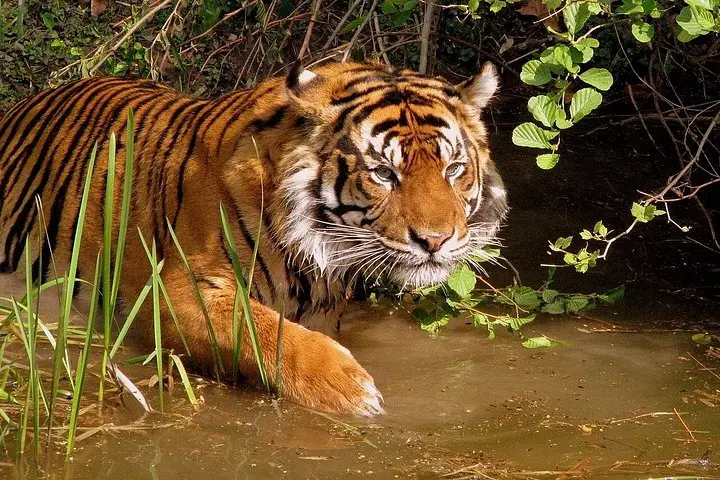
You step out of the air-conditioned sedan into a stamp of heat and dust—New Delhi’s wide boulevards folding into a corridor of Mughal-era gates and modern glass. Over eight days the road becomes the trip’s connective tissue: dawn at the Taj Mahal’s marble edge, grasses parting for a tiger’s silhouette in Ranthambore, and the pink-stone façades of Jaipur slowing the pace of travel.
Verified experiences and guided adventures in the surrounding area.
Operated by Tours from Delhi · New Delhi, Delhi
You step out of the air-conditioned sedan into a stamp of heat and dust—New Delhi’s wide boulevards folding into a corridor of Mughal-era gates and modern glass. Over eight days the road becomes the trip’s connective tissue: dawn at the Taj Mahal’s marble edge, grasses parting for a tiger’s silhouette in Ranthambore, and the pink-stone façades of Jaipur slowing the pace of travel.
This loop stitches together imperial history and dry-forest geology. Delhi and Agra showcase Mughal architecture built on alluvial plains carved by the Yamuna; Jaipur rises from the Aravalli’s fringe, a Rajput capital planned in the 18th century. Ranthambore’s granite outcrops and scrub jungle tell a different story—an old hunting reserve turned tiger sanctuary with a fort that crowns a rocky spine.
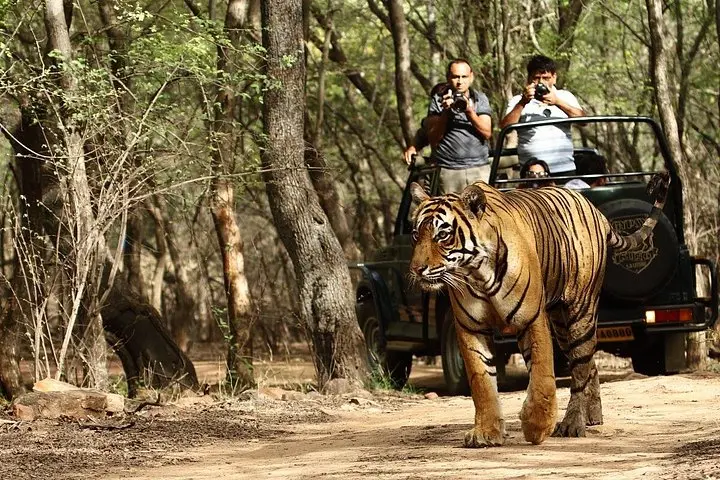
Expect long drives (Delhi–Agra ~230 km, Agra–Ranthambore ~260 km, Ranthambore–Jaipur ~150 km, Jaipur–Delhi ~280 km) broken by guided walking tours, gated monuments, and two safari windows in Ranthambore when the park wakes and quietens. Vehicles are included and private guides handle permits and entry queues; safaris run in designated zones and follow park rules.
Practical advice: schedule early-morning safaris for the best tiger chances, carry cash and ID for park fees and tips, and pack breathable layers for hot days and cool early mornings. Hydrate on the road, keep camera batteries charged, and allow travel time for unpredictable traffic—this is an immersive circuit where culture and wildlife alternate scenes, each with clear logistical edges to plan for.
October–March (post-monsoon and winter) typically offers the best mix of dry habitats and active animals during cooler hours; early-morning safaris are most productive.
This tour’s guide assists with entrance fees and permits but check your booking inclusions—some government park fees are payable locally and may vary by nationality.
Expect several multi-hour drives: Delhi–Agra ~3–4 hrs, Agra–Ranthambore ~4–5 hrs, Ranthambore–Jaipur ~3–4 hrs, Jaipur–Delhi ~5–6 hrs depending on traffic.
Children are welcome but must follow vehicle and park rules; travelers with limited mobility should notify the operator—some sites and safari vehicles require moderate mobility.
Tours from Delhi operates guided outdoor trips and adventures with an emphasis on safety, stewardship, and memorable experiences.

You step out of the air-conditioned sedan into a stamp of heat and dust—New Delhi’s wide boulevards folding into a corridor of Mughal-era gates and modern glass. Over eight days the road becomes the trip’s connective tissue: dawn at the Taj Mahal’s marble edge, grasses parting for a tiger’s silhouette in Ranthambore, and the pink-stone façades of Jaipur slowing the pace of travel.
You step out of the air-conditioned sedan into a stamp of heat and dust—New Delhi’s wide boulevards folding into a corridor of Mughal-era gates and modern glass. Over eight days the road becomes the trip’s connective tissue: dawn at the Taj Mahal’s marble edge, grasses parting for a tiger’s silhouette in Ranthambore, and the pink-stone façades of Jaipur slowing the pace of travel.
This loop stitches together imperial history and dry-forest geology. Delhi and Agra showcase Mughal architecture built on alluvial plains carved by the Yamuna; Jaipur rises from the Aravalli’s fringe, a Rajput capital planned in the 18th century. Ranthambore’s granite outcrops and scrub jungle tell a different story—an old hunting reserve turned tiger sanctuary with a fort that crowns a rocky spine.
Expect long drives (Delhi–Agra ~230 km, Agra–Ranthambore ~260 km, Ranthambore–Jaipur ~150 km, Jaipur–Delhi ~280 km) broken by guided walking tours, gated monuments, and two safari windows in Ranthambore when the park wakes and quietens. Vehicles are included and private guides handle permits and entry queues; safaris run in designated zones and follow park rules.
Practical advice: schedule early-morning safaris for the best tiger chances, carry cash and ID for park fees and tips, and pack breathable layers for hot days and cool early mornings. Hydrate on the road, keep camera batteries charged, and allow travel time for unpredictable traffic—this is an immersive circuit where culture and wildlife alternate scenes, each with clear logistical edges to plan for.