THE ADVENTURE COLLECTIVE® · Independent discovery and booking for outdoor travel

An 18‑day sweep through India’s north and south: Mughal monuments and pink‑city bazaars, Portuguese‑lined beaches, the boulder ruins of Hampi and a slow night on Kerala’s houseboats. Practical pacing, local insights and packing tips for a culture‑forward journey.
An 18‑day sweep through India’s north and south: Mughal monuments and pink‑city bazaars, Portuguese‑lined beaches, the boulder ruins of Hampi and a slow night on Kerala’s houseboats. Practical pacing, local insights and packing tips for a culture‑forward journey.
You step into Delhi before dawn: the city’s honking arteries already moving, saffron light striking the red sandstone of the old forts. From this urban surge the itinerary unfurls—Mughal mausoleums, Rajasthani forts, Portuguese‑era coastlines, the boulder-strewn ruins of a lost empire, and the slow, green waterways of Kerala.
Verified experiences and guided adventures in the surrounding area.
Operated by Agora Voyages Pvt. Ltd. · New Delhi, Delhi
You step into Delhi before dawn: the city’s honking arteries already moving, saffron light striking the red sandstone of the old forts. From this urban surge the itinerary unfurls—Mughal mausoleums, Rajasthani forts, Portuguese‑era coastlines, the boulder-strewn ruins of a lost empire, and the slow, green waterways of Kerala.
The route threads clear historical seams. In Agra and Jaipur Mughal and Rajput architecture speak of 17th‑century court life; Hampi’s granite outcrops record the Vijayanagara empire’s scale; Goa’s churches and forts mark 16th‑century European trade; Kerala’s backwaters trace a millennia‑old maritime culture and agrarian landscape. Geologically the trip moves from the Indo-Gangetic plains around Delhi and Agra onto the Deccan’s volcanic and granite formations at Hampi, then down the Western Ghats—wet, folded mountains that feed the lagoons and canals of Alleppey.
Expect varied rhythms: guided city walks and palace climbs interspersed with long road transfers, a short flight to the coast, and an overnight houseboat glide where palms pry at the sky and canals push the boat gently forward. Food shifts with place—mughlai richness in the north, seafood and vindaloo in Goa, coconut-scented curries in Kerala.
Practical guidance: travel light for transfers, bring a compact daypack for walking tours, and budget extra time for traffic. Wear closed, grippy shoes for Hampi’s boulders and respectful, breathable clothing for temple and church visits. Hydrate in the heat, carry sunscreen and a reusable water bottle; if boarding a houseboat, bring motion‑sensitive meds if you’re prone to seasickness. Morning light is best for monuments and Hampi’s Matunga Hill sunrise; afternoons suit the backwaters and Kathakali shows.
Most travelers require an Indian visa obtained before arrival—check your government’s requirements and apply for an e‑visa where available.
Yes; the itinerary is paced with hotel nights and transfers. Mobility limitations should be disclosed at booking to arrange accessible transport and accommodations.
Carry small bills for markets and rickshaws; tipping guides and drivers (10–15% for guides, modest tips for drivers and restaurant staff) is customary but discretionary.
Reputable houseboats provide private cabins, sanitation and a cook; standards vary—ask about onboard water, generator schedules and food safety when booking.
Agora Voyages Pvt. Ltd. operates guided outdoor trips and adventures with an emphasis on safety, stewardship, and memorable experiences.
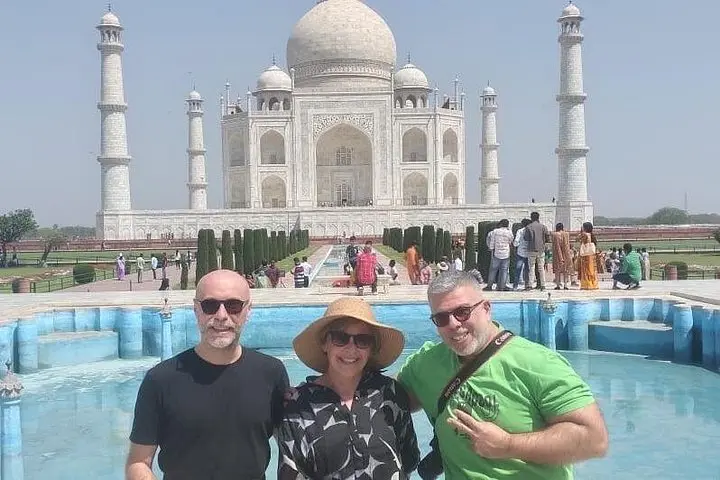
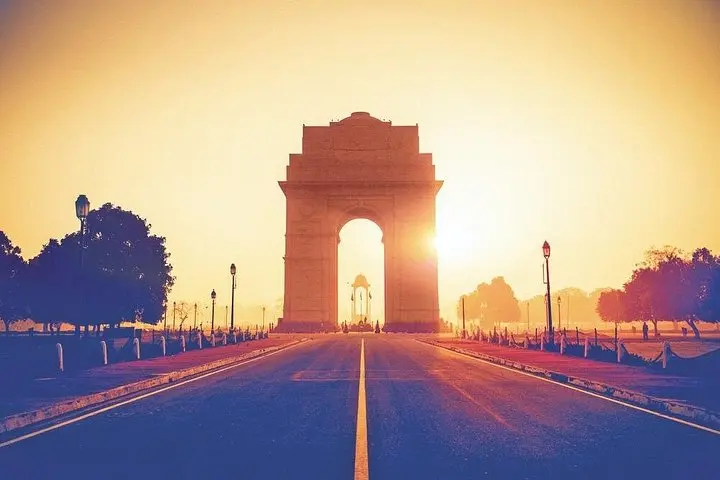
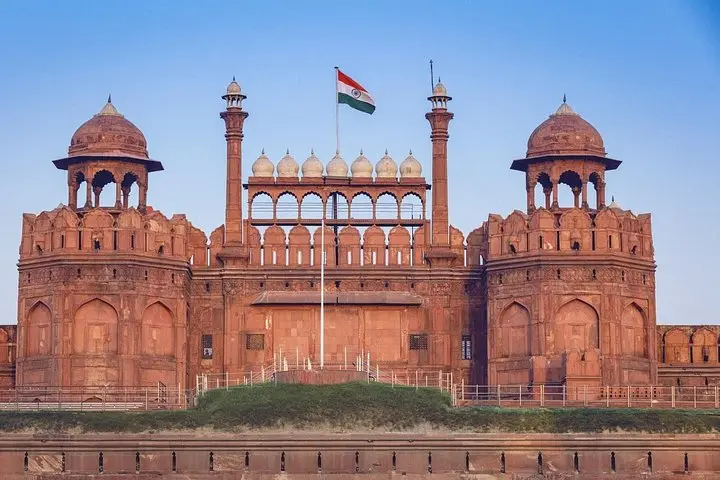
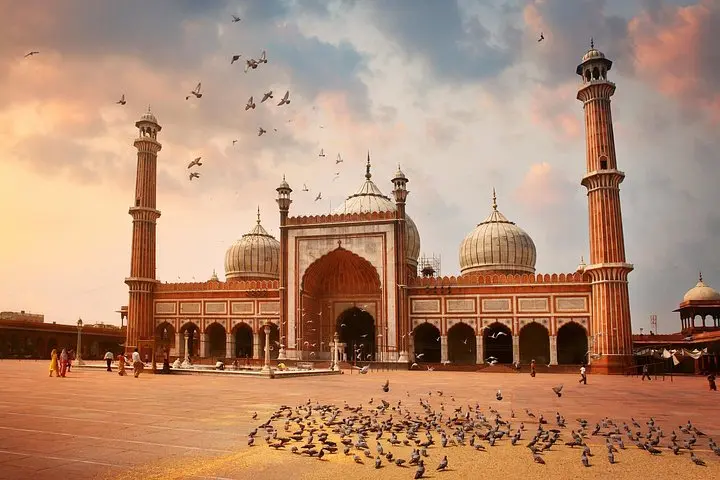
You step into Delhi before dawn: the city’s honking arteries already moving, saffron light striking the red sandstone of the old forts. From this urban surge the itinerary unfurls—Mughal mausoleums, Rajasthani forts, Portuguese‑era coastlines, the boulder-strewn ruins of a lost empire, and the slow, green waterways of Kerala.
You step into Delhi before dawn: the city’s honking arteries already moving, saffron light striking the red sandstone of the old forts. From this urban surge the itinerary unfurls—Mughal mausoleums, Rajasthani forts, Portuguese‑era coastlines, the boulder-strewn ruins of a lost empire, and the slow, green waterways of Kerala.
The route threads clear historical seams. In Agra and Jaipur Mughal and Rajput architecture speak of 17th‑century court life; Hampi’s granite outcrops record the Vijayanagara empire’s scale; Goa’s churches and forts mark 16th‑century European trade; Kerala’s backwaters trace a millennia‑old maritime culture and agrarian landscape. Geologically the trip moves from the Indo-Gangetic plains around Delhi and Agra onto the Deccan’s volcanic and granite formations at Hampi, then down the Western Ghats—wet, folded mountains that feed the lagoons and canals of Alleppey.
Expect varied rhythms: guided city walks and palace climbs interspersed with long road transfers, a short flight to the coast, and an overnight houseboat glide where palms pry at the sky and canals push the boat gently forward. Food shifts with place—mughlai richness in the north, seafood and vindaloo in Goa, coconut-scented curries in Kerala.
Practical guidance: travel light for transfers, bring a compact daypack for walking tours, and budget extra time for traffic. Wear closed, grippy shoes for Hampi’s boulders and respectful, breathable clothing for temple and church visits. Hydrate in the heat, carry sunscreen and a reusable water bottle; if boarding a houseboat, bring motion‑sensitive meds if you’re prone to seasickness. Morning light is best for monuments and Hampi’s Matunga Hill sunrise; afternoons suit the backwaters and Kathakali shows.