THE ADVENTURE COLLECTIVE® · Independent discovery and booking for outdoor travel

Ten days from Delhi’s monuments to Rajasthan’s fortified cities, this private tour stitches the Taj, Udaipur’s palaces and Mehrangarh into a practical, chauffeured itinerary. Read on for what to expect on the road, where to save time, and how to pack smart.
Ten days from Delhi’s monuments to Rajasthan’s fortified cities, this private tour stitches the Taj, Udaipur’s palaces and Mehrangarh into a practical, chauffeured itinerary. Read on for what to expect on the road, where to save time, and how to pack smart.
The city greets you with a rush of exhaust, saffron stalls and the distant call of temple bells — Delhi is both a landing pad and the first pulse of a ten-day route that threads Mughal domes into Rajput forts and blue-painted alleys.
Verified experiences and guided adventures in the surrounding area.
Operated by Travel China Guide · New Delhi, Delhi
The city greets you with a rush of exhaust, saffron stalls and the distant call of temple bells — Delhi is both a landing pad and the first pulse of a ten-day route that threads Mughal domes into Rajput forts and blue-painted alleys.
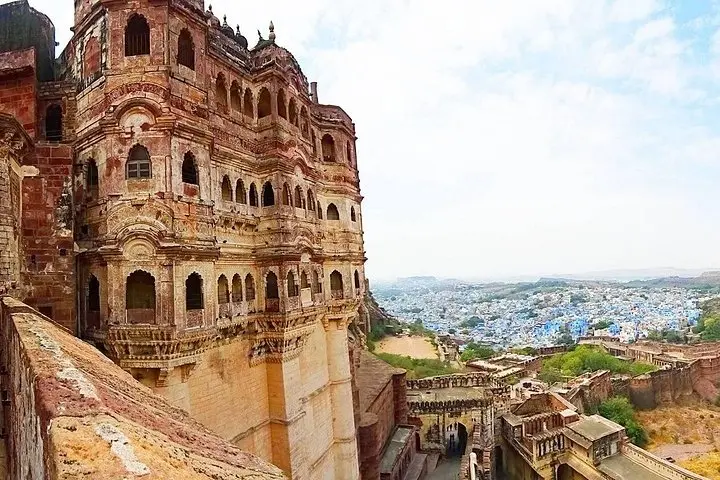
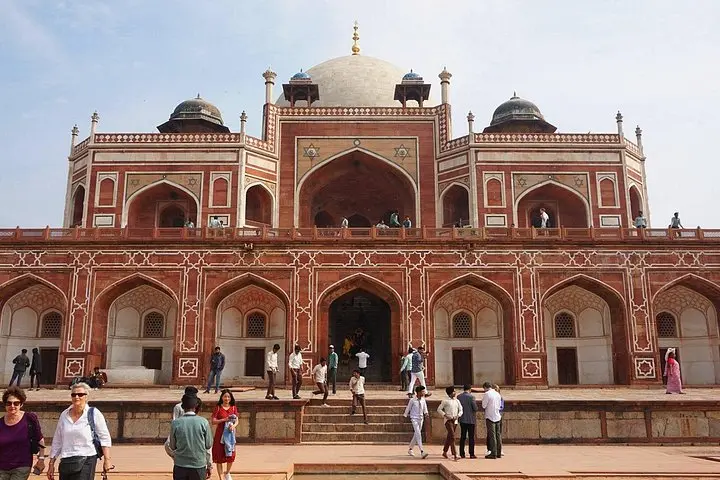
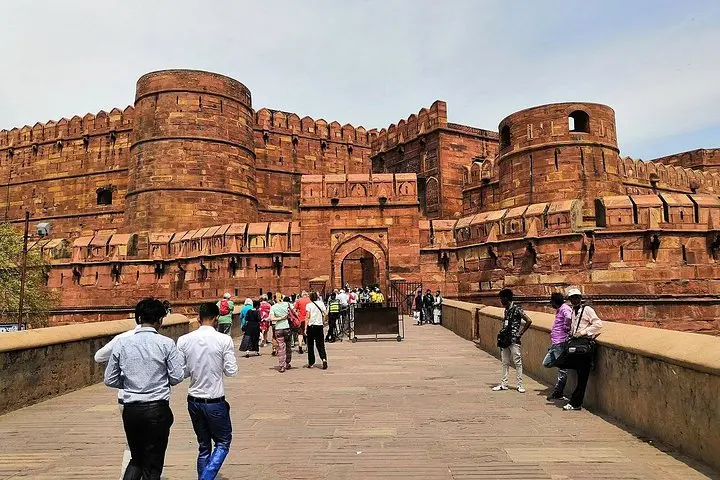
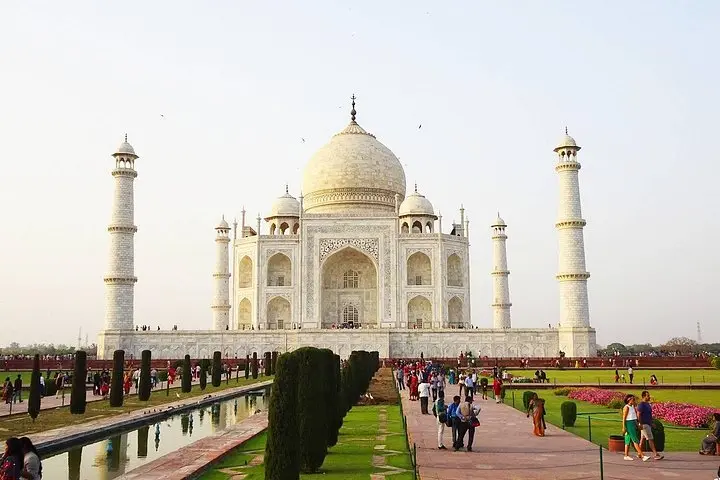
From the shadow of Qutub Minar to the pale symmetry of the Taj Mahal, this itinerary traces 1,200 years of empire and craftsmanship. Geologically, the route moves from the alluvial plains around Delhi and Agra into the eroded low hills and marble quarries that fed Rajasthan’s palaces. Culturally, travelers pass seats of power: Mughal mausoleums, the Mewar courts of Udaipur, and Mehrangarh’s basalt ramparts in Jodhpur, each place recording rule through stone, paint and ceremony.
You’ll step into marketplaces that have served traders for centuries, watch artisans in bandhni and block print workshops, and glimpse worship at Gurudwara Bangla Sahib and the lakeside ghats of Pushkar. The desert around Jodhpur and Jaipur appears to press and push at travelers — dunes dare you toward the horizon while city walls shelter a different pace.
Practical guidance: plan early starts for monuments to avoid heat and crowds, carry reusable water and sun protection, and keep photocopies of travel documents. Accommodations are mid- to upper-range hotels with included breakfasts; transport is private, air-conditioned and driven by local chauffeurs. Expect moderate walking on uneven stone steps, quick transfers by car or short domestic flights, and the need for small cash transactions in bazaars. This is a cultural road tour best suited to travelers who want structured sightseeing with local context and comfortable logistics.
Most foreign nationals require an Indian visa; check the Indian government’s e-Visa system well in advance and carry printed copies of the approval.
Breakfast is included most days and hotels are provided on a twin-share basis; other meals are typically at your expense unless stated otherwise.
Expect moderate walking at heritage sites and bazaars — most days involve short stretches on foot interspersed with private car transfers.
Tipping is customary: small daily amounts for drivers and guides are appreciated (for example, 200–500 INR per day for guides, adjust based on service and group size).
Travel China Guide operates guided outdoor trips and adventures with an emphasis on safety, stewardship, and memorable experiences.
The city greets you with a rush of exhaust, saffron stalls and the distant call of temple bells — Delhi is both a landing pad and the first pulse of a ten-day route that threads Mughal domes into Rajput forts and blue-painted alleys.
The city greets you with a rush of exhaust, saffron stalls and the distant call of temple bells — Delhi is both a landing pad and the first pulse of a ten-day route that threads Mughal domes into Rajput forts and blue-painted alleys.
From the shadow of Qutub Minar to the pale symmetry of the Taj Mahal, this itinerary traces 1,200 years of empire and craftsmanship. Geologically, the route moves from the alluvial plains around Delhi and Agra into the eroded low hills and marble quarries that fed Rajasthan’s palaces. Culturally, travelers pass seats of power: Mughal mausoleums, the Mewar courts of Udaipur, and Mehrangarh’s basalt ramparts in Jodhpur, each place recording rule through stone, paint and ceremony.
You’ll step into marketplaces that have served traders for centuries, watch artisans in bandhni and block print workshops, and glimpse worship at Gurudwara Bangla Sahib and the lakeside ghats of Pushkar. The desert around Jodhpur and Jaipur appears to press and push at travelers — dunes dare you toward the horizon while city walls shelter a different pace.
Practical guidance: plan early starts for monuments to avoid heat and crowds, carry reusable water and sun protection, and keep photocopies of travel documents. Accommodations are mid- to upper-range hotels with included breakfasts; transport is private, air-conditioned and driven by local chauffeurs. Expect moderate walking on uneven stone steps, quick transfers by car or short domestic flights, and the need for small cash transactions in bazaars. This is a cultural road tour best suited to travelers who want structured sightseeing with local context and comfortable logistics.