THE ADVENTURE COLLECTIVE® · Independent discovery and booking for outdoor travel

A focused, four-day circuit through Delhi, Agra and Jaipur that pairs sunrise at the Taj Mahal with Mughal forts and Rajasthani palaces. Practical tips and local context help you move efficiently between iconic sites and off-the-beaten-path market lanes.
A focused, four-day circuit through Delhi, Agra and Jaipur that pairs sunrise at the Taj Mahal with Mughal forts and Rajasthani palaces. Practical tips and local context help you move efficiently between iconic sites and off-the-beaten-path market lanes.
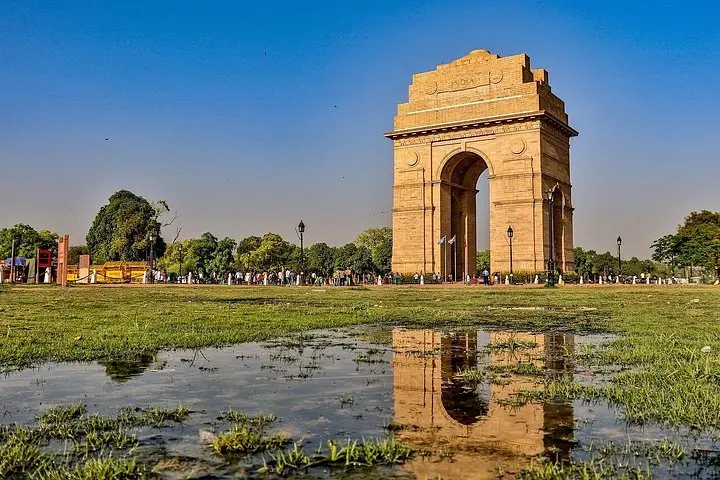
The first light in Old Delhi smells of chai and frying spices; rickshaws thread through narrow alleys while the distant silhouette of Humayun’s and the India Gate stand like weathered stage props against a bright sky.
Verified experiences and guided adventures in the surrounding area.
Operated by TripSthan.com · New Delhi, Delhi
The first light in Old Delhi smells of chai and frying spices; rickshaws thread through narrow alleys while the distant silhouette of Humayun’s and the India Gate stand like weathered stage props against a bright sky.
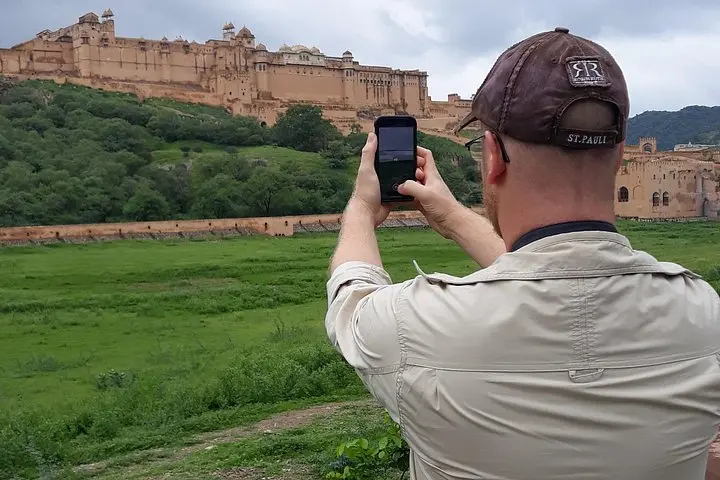
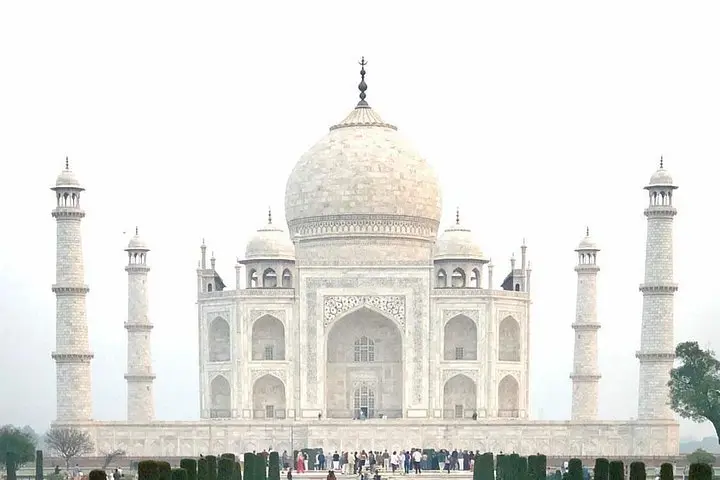
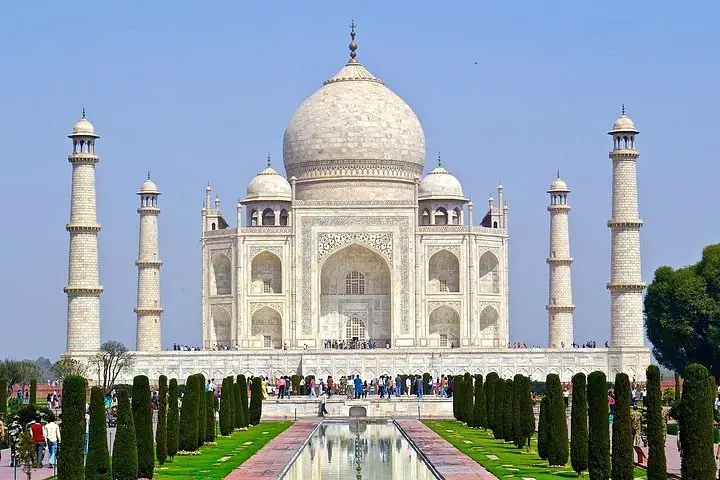
This four-day Golden Triangle route moves you from Delhi’s colonial avenues and Mughal tombs to Agra’s marble heart at sunrise, then eastward into Jaipur’s pink sandstone palaces and hilltop Amber Fort. The story here is Mughal power and Rajput courtliness—Shah Jahan’s marble ambition at the Taj Mahal, Akbar’s sprawling Agra Fort, and Jaipur’s planned cityscape from the 18th century reveal layers of empire, craft and urban planning.
Geology and water shaped these sites: the Yamuna’s floodplain supported city growth around Agra, while red sandstone from local quarries dominates Rajasthani architecture. Local markets hum with textile workshops and block-printed fabrics; watch artisans dye and press cloth in lanes off the tourist routes.
Practical guidance: expect long days of walking on uneven stone, steep steps and crowded bazaars. Plan early starts for the Taj at sunrise to avoid heat and crowds; carry a refillable water bottle and sun protection; wear sturdy shoes for forts and courtyards. Private transfers keep transit comfortable, but traffic can add time—build slack into connections.
Respect temple and palace dress codes, carry small notes for street vendors, and consider a guide for historical context—the sites come alive with stories that maps alone won’t tell.
Admission to the Taj Mahal is not included by default—confirm at booking; many private tours can arrange tickets for an additional fee.
Expect several hours of walking at each site, including uneven courtyards, ramps and stairs; comfortable shoes are recommended.
Yes—this itinerary uses private, air-conditioned vehicles for transfers between cities and site drop-offs.
The tour is generally suitable for all fitness levels, but plan for frequent stops and slower pacing if traveling with young children or people with mobility limits.
TripSthan.com operates guided outdoor trips and adventures with an emphasis on safety, stewardship, and memorable experiences.
The first light in Old Delhi smells of chai and frying spices; rickshaws thread through narrow alleys while the distant silhouette of Humayun’s and the India Gate stand like weathered stage props against a bright sky.
The first light in Old Delhi smells of chai and frying spices; rickshaws thread through narrow alleys while the distant silhouette of Humayun’s and the India Gate stand like weathered stage props against a bright sky.
This four-day Golden Triangle route moves you from Delhi’s colonial avenues and Mughal tombs to Agra’s marble heart at sunrise, then eastward into Jaipur’s pink sandstone palaces and hilltop Amber Fort. The story here is Mughal power and Rajput courtliness—Shah Jahan’s marble ambition at the Taj Mahal, Akbar’s sprawling Agra Fort, and Jaipur’s planned cityscape from the 18th century reveal layers of empire, craft and urban planning.
Geology and water shaped these sites: the Yamuna’s floodplain supported city growth around Agra, while red sandstone from local quarries dominates Rajasthani architecture. Local markets hum with textile workshops and block-printed fabrics; watch artisans dye and press cloth in lanes off the tourist routes.
Practical guidance: expect long days of walking on uneven stone, steep steps and crowded bazaars. Plan early starts for the Taj at sunrise to avoid heat and crowds; carry a refillable water bottle and sun protection; wear sturdy shoes for forts and courtyards. Private transfers keep transit comfortable, but traffic can add time—build slack into connections.
Respect temple and palace dress codes, carry small notes for street vendors, and consider a guide for historical context—the sites come alive with stories that maps alone won’t tell.