THE ADVENTURE COLLECTIVE® · Independent discovery and booking for outdoor travel

Five days across Delhi, Agra and Jaipur pack in Mughal tombs, the Taj Mahal and Rajasthan’s hill forts. This private, 4‑night tour balances guided site visits with practical logistics for first‑time visitors to northern India.
Five days across Delhi, Agra and Jaipur pack in Mughal tombs, the Taj Mahal and Rajasthan’s hill forts. This private, 4‑night tour balances guided site visits with practical logistics for first‑time visitors to northern India.
You step out of the car and Delhi exhales — traffic becomes rhythm, vendors call, and stone monuments hold the weight of centuries. The tour threads three cities where emperors, merchants and craftsmen left visible marks: towering minarets, marble mausoleums and honey‑coloured forts.
Verified experiences and guided adventures in the surrounding area.
Operated by Ajay Day Tours · New Delhi, Delhi
You step out of the car and Delhi exhales — traffic becomes rhythm, vendors call, and stone monuments hold the weight of centuries. The tour threads three cities where emperors, merchants and craftsmen left visible marks: towering minarets, marble mausoleums and honey‑coloured forts.
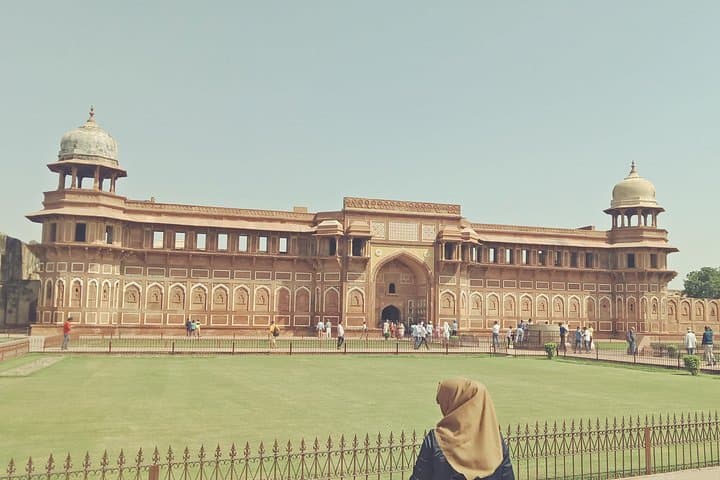
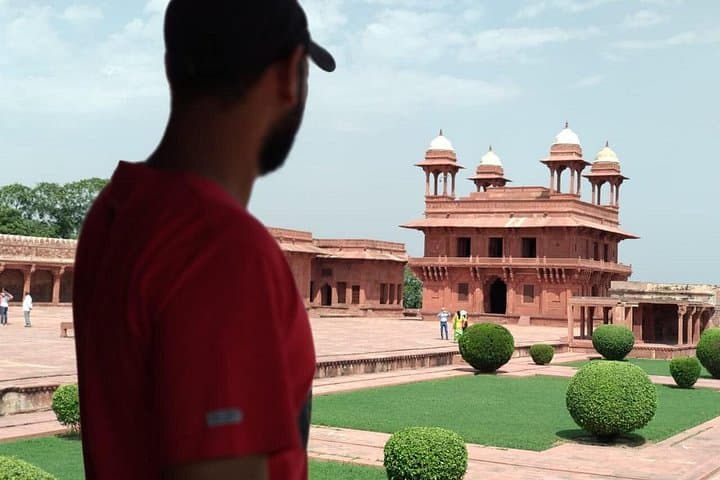
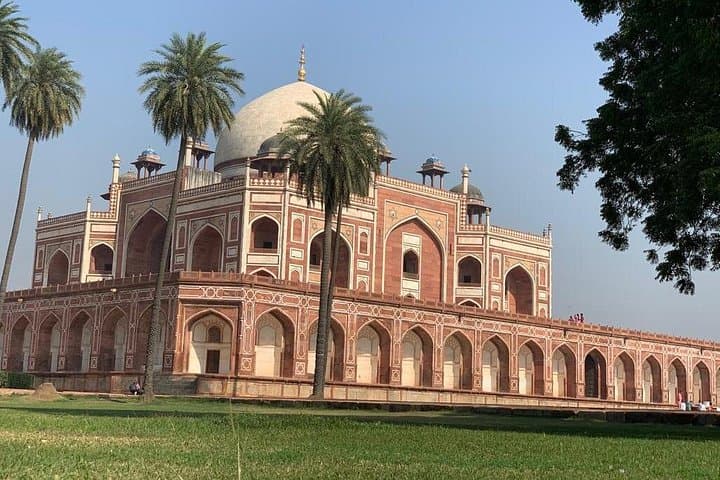
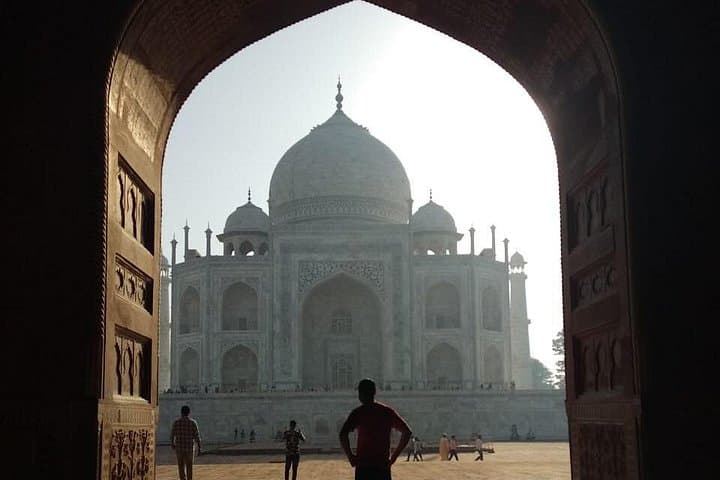
The route follows Mughal and Rajput history. In Delhi, the Qutb Minar and Humayun’s Tomb echo Persian design and early Mughal patronage; in Agra the Yamuna’s slow current mirrors the stillness of the Taj Mahal’s white marble; Jaipur’s Amer Fort and the City Palace display Rajasthani sandstone, carved jharokhas and a city plan from the 18th century. Geology matters here: Delhi’s red sandstones and Agra’s Makrana marble shape the monuments’ colors and weathering patterns.
Expect dense urban textures — narrow bazaars, spice aromas, and scheduled visits to major sites with local guides who explain iconography, chronology and conservation challenges. Between sites, travel is by private vehicle; accommodations are standard 3–5 star options with included breakfasts.
Practical edge: start days early to avoid heat and queues, carry a refillable water bottle and sun protection, and wear comfortable closed shoes for uneven fort ramps. Respect dress norms at religious sites and keep camera etiquette in mind. If you’re sensitive to crowds or long drives, plan for slower pacing or private transfers.
This itinerary is culturally rich, low on technical demand and high on historical payoff — ideal for travelers who want a compact, well‑paced introduction to northern India’s headline sites.
Most site admissions are not included by default; confirm with the operator which tickets are covered or available on request.
Yes — the itinerary notes stroller access and infant seats, but expect walking and occasional crowds at major sites.
Transfers are typically 3–5 hours: Delhi–Agra around 3–4 hours, Agra–Jaipur 4–5 hours depending on traffic and stops.
Carry hand sanitizer, drink bottled or filtered water, avoid street food if sensitive, and follow local guidance on traffic and crowded areas.
Ajay Day Tours operates guided outdoor trips and adventures with an emphasis on safety, stewardship, and memorable experiences.
You step out of the car and Delhi exhales — traffic becomes rhythm, vendors call, and stone monuments hold the weight of centuries. The tour threads three cities where emperors, merchants and craftsmen left visible marks: towering minarets, marble mausoleums and honey‑coloured forts.
You step out of the car and Delhi exhales — traffic becomes rhythm, vendors call, and stone monuments hold the weight of centuries. The tour threads three cities where emperors, merchants and craftsmen left visible marks: towering minarets, marble mausoleums and honey‑coloured forts.
The route follows Mughal and Rajput history. In Delhi, the Qutb Minar and Humayun’s Tomb echo Persian design and early Mughal patronage; in Agra the Yamuna’s slow current mirrors the stillness of the Taj Mahal’s white marble; Jaipur’s Amer Fort and the City Palace display Rajasthani sandstone, carved jharokhas and a city plan from the 18th century. Geology matters here: Delhi’s red sandstones and Agra’s Makrana marble shape the monuments’ colors and weathering patterns.
Expect dense urban textures — narrow bazaars, spice aromas, and scheduled visits to major sites with local guides who explain iconography, chronology and conservation challenges. Between sites, travel is by private vehicle; accommodations are standard 3–5 star options with included breakfasts.
Practical edge: start days early to avoid heat and queues, carry a refillable water bottle and sun protection, and wear comfortable closed shoes for uneven fort ramps. Respect dress norms at religious sites and keep camera etiquette in mind. If you’re sensitive to crowds or long drives, plan for slower pacing or private transfers.
This itinerary is culturally rich, low on technical demand and high on historical payoff — ideal for travelers who want a compact, well‑paced introduction to northern India’s headline sites.