THE ADVENTURE COLLECTIVE® · Independent discovery and booking for outdoor travel

Ride India’s fastest train between imperial cities on a 5-day Golden Triangle loop. See Qutub Minar, the Taj Mahal at sunrise, and Jaipur’s forts while traveling in a chauffeured car with guided visits and local insights.
Ride India’s fastest train between imperial cities on a 5-day Golden Triangle loop. See Qutub Minar, the Taj Mahal at sunrise, and Jaipur’s forts while traveling in a chauffeured car with guided visits and local insights.
You step from Nizamuddin station into a swell of steam and announcement calls; the Gatimaan Express slips away toward Agra as layered cityscapes—mughal domes, dusty avenues, and the Yamuna’s slow patience—unfurl outside the window.
Verified experiences and guided adventures in the surrounding area.
Operated by Tour Guide Delhi · New Delhi, Delhi
You step from Nizamuddin station into a swell of steam and announcement calls; the Gatimaan Express slips away toward Agra as layered cityscapes—mughal domes, dusty avenues, and the Yamuna’s slow patience—unfurl outside the window.
This five-day loop connects New Delhi, Agra and Jaipur: three cities where Mughal and Rajput histories meet modern India. Expect UNESCO sites—Qutub Minar, Agra Fort, Fatehpur Sikri—and the Taj Mahal’s changing face at sunrise. Geology is subtle: the alluvial plain of the Yamuna gives way to the sandy, scrubby edges of the Aravalli foothills near Jaipur; architecture here uses red sandstone and white marble, each material responding to heat and light in its own way.
Culturally, you’ll move between crowded chowks and planned imperial boulevards; bazaars push color and sound, while small museums and observatories hold local stories. Guides will explain royal lineages, Mughal engineering, and the city planning behind Jaipur’s grid.
Practically: keep mornings for monuments when light and crowds are best, and expect transfers by comfortable chauffeured car with hotel pick-up/drop-off. Train boarding on the Gatimaan is punctual—arrive early and keep ID and print/phone tickets handy. Wear comfortable walking shoes for pavements and uneven palace courtyards, carry water and sun protection, and budget extra time for market stops or photography. If you prefer a slower pace, ask to extend time at the Taj or schedule an extra rest stop en route to Jaipur.
This trip balances iconic photo ops with local texture—plan for early starts, light layers, and a readiness to move between dense urban life and open heritage sites.
Gatimaan is the planned train for Delhi–Agra but if tickets are unavailable the operator will substitute Shatabdi Express; your itinerary will note the train and timing prior to travel.
Most international visitors to India require a valid visa or e-Visa—confirm entry requirements with Indian authorities well before booking and carry printed copies of your visa.
This tour includes professional guiding in Delhi, Agra and Jaipur and scheduled sightseeing; check your booking confirmation for specific admissions included and any optional extras.
Yes—this itinerary offers flexible drop-off at Jaipur or Delhi (additional travel time to Delhi is about 4–5 hours); specify your preferred departure city when booking.
Tour Guide Delhi operates guided outdoor trips and adventures with an emphasis on safety, stewardship, and memorable experiences.
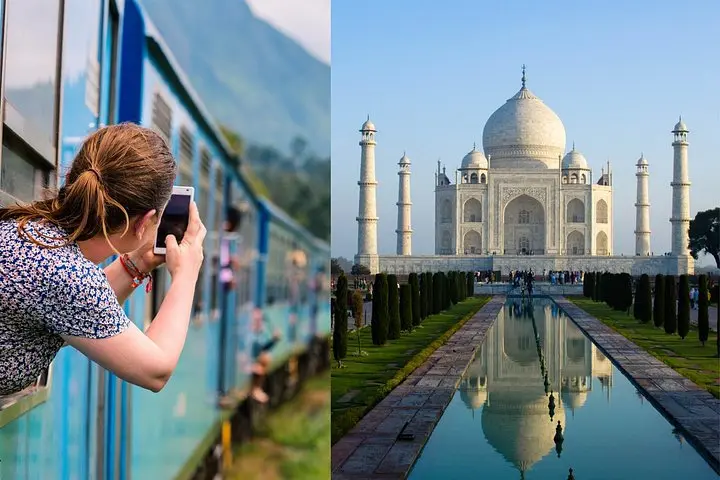
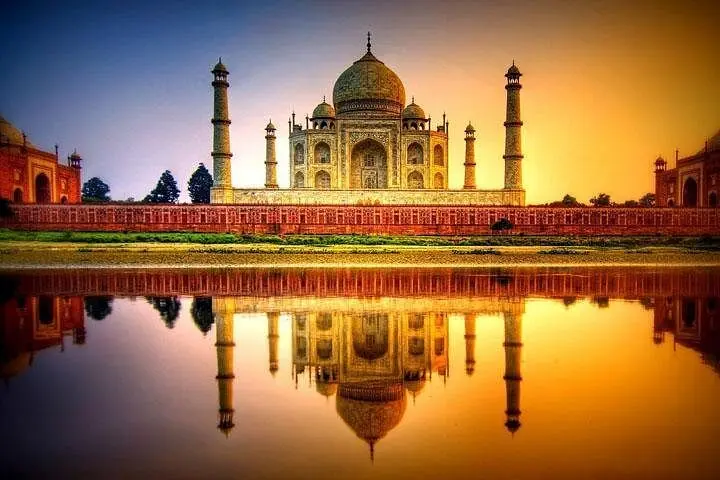
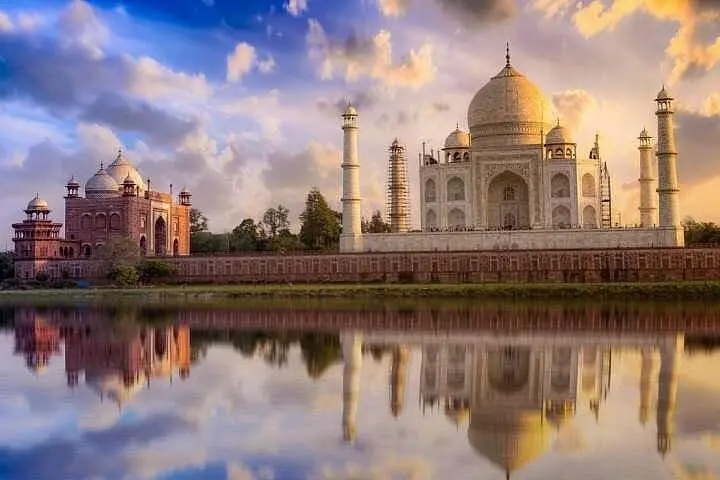
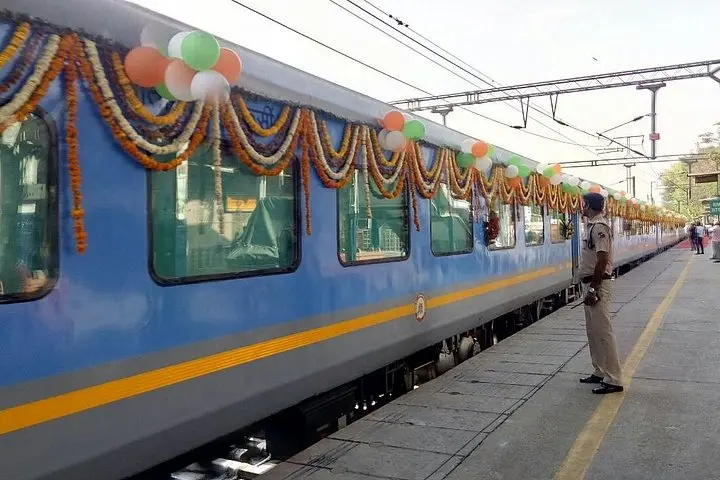
You step from Nizamuddin station into a swell of steam and announcement calls; the Gatimaan Express slips away toward Agra as layered cityscapes—mughal domes, dusty avenues, and the Yamuna’s slow patience—unfurl outside the window.
You step from Nizamuddin station into a swell of steam and announcement calls; the Gatimaan Express slips away toward Agra as layered cityscapes—mughal domes, dusty avenues, and the Yamuna’s slow patience—unfurl outside the window.
This five-day loop connects New Delhi, Agra and Jaipur: three cities where Mughal and Rajput histories meet modern India. Expect UNESCO sites—Qutub Minar, Agra Fort, Fatehpur Sikri—and the Taj Mahal’s changing face at sunrise. Geology is subtle: the alluvial plain of the Yamuna gives way to the sandy, scrubby edges of the Aravalli foothills near Jaipur; architecture here uses red sandstone and white marble, each material responding to heat and light in its own way.
Culturally, you’ll move between crowded chowks and planned imperial boulevards; bazaars push color and sound, while small museums and observatories hold local stories. Guides will explain royal lineages, Mughal engineering, and the city planning behind Jaipur’s grid.
Practically: keep mornings for monuments when light and crowds are best, and expect transfers by comfortable chauffeured car with hotel pick-up/drop-off. Train boarding on the Gatimaan is punctual—arrive early and keep ID and print/phone tickets handy. Wear comfortable walking shoes for pavements and uneven palace courtyards, carry water and sun protection, and budget extra time for market stops or photography. If you prefer a slower pace, ask to extend time at the Taj or schedule an extra rest stop en route to Jaipur.
This trip balances iconic photo ops with local texture—plan for early starts, light layers, and a readiness to move between dense urban life and open heritage sites.