THE ADVENTURE COLLECTIVE® · Independent discovery and booking for outdoor travel

This five-day private Golden Triangle tour links New Delhi, Jaipur and Agra with licensed guides, private transport and curated stops from Fatehpur Sikri to Amber Fort. Ideal for travelers who want efficient logistics and on-the-ground cultural context.
This five-day private Golden Triangle tour links New Delhi, Jaipur and Agra with licensed guides, private transport and curated stops from Fatehpur Sikri to Amber Fort. Ideal for travelers who want efficient logistics and on-the-ground cultural context.
You step out into Delhi’s morning heat, rickshaw horns and chai vendors choreographing the city’s pace as your private driver glides toward the Red Fort. Over five days the landscape changes from Delhi’s broad avenues to Jaipur’s rose-hued walls and the Tagus-like hush of the Yamuna at Agra — a sequence of forts, palaces and market alleys that map centuries of power and craft.
Verified experiences and guided adventures in the surrounding area.
Operated by India Magic Tours · New Delhi, Delhi
You step out into Delhi’s morning heat, rickshaw horns and chai vendors choreographing the city’s pace as your private driver glides toward the Red Fort. Over five days the landscape changes from Delhi’s broad avenues to Jaipur’s rose-hued walls and the Tagus-like hush of the Yamuna at Agra — a sequence of forts, palaces and market alleys that map centuries of power and craft.
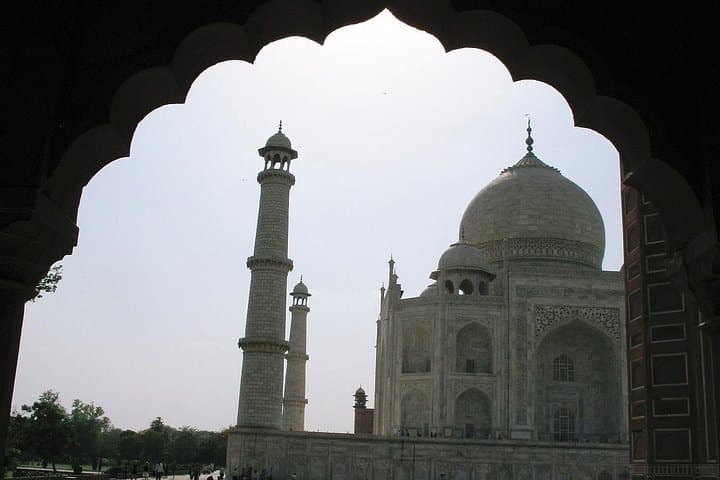
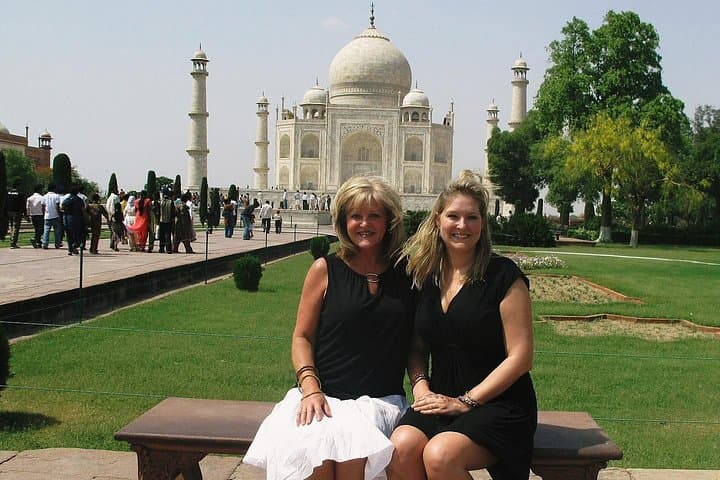
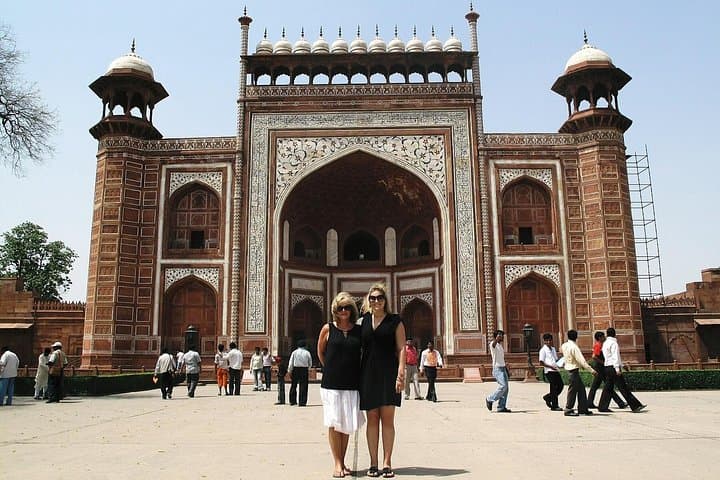
The route follows Mughal and Rajput milestones: the Red Fort’s sandstone ramparts, Akbar’s abandoned Fatehpur Sikri made parched by scarce wells, Amber Fort clinging to Aravalli ridgelines, and the Taj Mahal’s polished white marble reflecting Persian, Indian and later European influences. Geology shows in the palette — red sandstone in forts, white Makrana marble in Agra — and the Aravalli outcrops framing Jaipur provide the only rise in an otherwise alluvial plain.
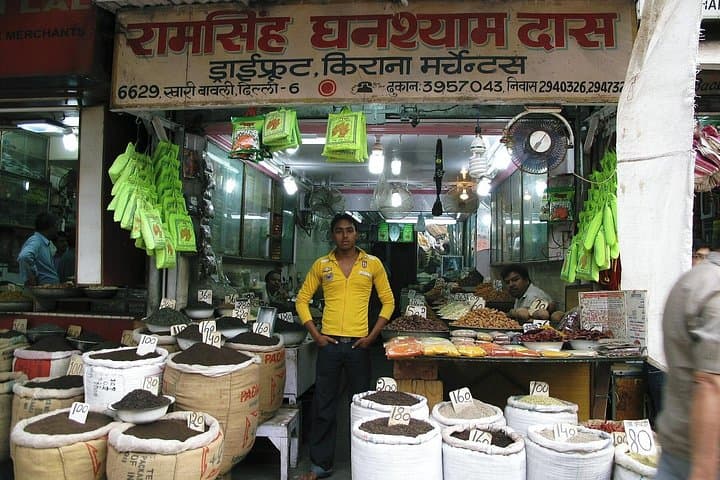
Culturally the trip balances monuments with marketplaces: Chandni Chowk’s lanes for spices and textiles, Jaipur’s bazaars for block-printed cloth and blue pottery, and an evening at Chokhi Dhani for Rajasthani food and folk performance. Expect crowds at major sites; guides streamline entry and context so you see architecture, not just facades.
Practical guidance: schedule the Taj at sunrise for softer light and fewer people, carry a refillable bottle and sun protection, and wear comfortable shoes for uneven fort ramps and market cobbles. Keep local currency handy for small purchases and be prepared for security screening at major monuments. With a licensed private driver and guide you'll cover distances efficiently, leaving time to absorb the history between stops.
Yes — the tour is customizable and can begin from Delhi, Jaipur or Agra depending on your arrival and preferences; confirm pickup details at booking.
Monument entry fees may be included depending on the option selected; verify inclusions for your booking to avoid surprises.
The operator advertises women-friendly private tours with licensed guides and private transport; exercise standard travel precautions and communicate pickup details clearly.
Approximate drives: Delhi–Jaipur ~4–5 hours, Jaipur–Agra ~4–5 hours depending on traffic; private transport provides flexibility for rest stops en route.
India Magic Tours operates guided outdoor trips and adventures with an emphasis on safety, stewardship, and memorable experiences.
You step out into Delhi’s morning heat, rickshaw horns and chai vendors choreographing the city’s pace as your private driver glides toward the Red Fort. Over five days the landscape changes from Delhi’s broad avenues to Jaipur’s rose-hued walls and the Tagus-like hush of the Yamuna at Agra — a sequence of forts, palaces and market alleys that map centuries of power and craft.
You step out into Delhi’s morning heat, rickshaw horns and chai vendors choreographing the city’s pace as your private driver glides toward the Red Fort. Over five days the landscape changes from Delhi’s broad avenues to Jaipur’s rose-hued walls and the Tagus-like hush of the Yamuna at Agra — a sequence of forts, palaces and market alleys that map centuries of power and craft.
The route follows Mughal and Rajput milestones: the Red Fort’s sandstone ramparts, Akbar’s abandoned Fatehpur Sikri made parched by scarce wells, Amber Fort clinging to Aravalli ridgelines, and the Taj Mahal’s polished white marble reflecting Persian, Indian and later European influences. Geology shows in the palette — red sandstone in forts, white Makrana marble in Agra — and the Aravalli outcrops framing Jaipur provide the only rise in an otherwise alluvial plain.
Culturally the trip balances monuments with marketplaces: Chandni Chowk’s lanes for spices and textiles, Jaipur’s bazaars for block-printed cloth and blue pottery, and an evening at Chokhi Dhani for Rajasthani food and folk performance. Expect crowds at major sites; guides streamline entry and context so you see architecture, not just facades.
Practical guidance: schedule the Taj at sunrise for softer light and fewer people, carry a refillable bottle and sun protection, and wear comfortable shoes for uneven fort ramps and market cobbles. Keep local currency handy for small purchases and be prepared for security screening at major monuments. With a licensed private driver and guide you'll cover distances efficiently, leaving time to absorb the history between stops.