THE ADVENTURE COLLECTIVE® · Independent discovery and booking for outdoor travel

A five-day circuit from New Delhi to Jaipur that pairs the Taj and Mughal monuments with a lesser-known Chambal River safari near Dholpur. Expect early starts, short drives, and a mix of cultural sightseeing and riverine wildlife viewing.
A five-day circuit from New Delhi to Jaipur that pairs the Taj and Mughal monuments with a lesser-known Chambal River safari near Dholpur. Expect early starts, short drives, and a mix of cultural sightseeing and riverine wildlife viewing.
You step out of the car before dawn as the first light slides across the Yamuna, and the Taj Mahal's white flank cools from silver to gold — the tour opens with that breath-catching view and sets a steady, purposeful tempo for five days.
Verified experiences and guided adventures in the surrounding area.
Operated by Ajay Day Tours · New Delhi, Delhi
You step out of the car before dawn as the first light slides across the Yamuna, and the Taj Mahal's white flank cools from silver to gold — the tour opens with that breath-catching view and sets a steady, purposeful tempo for five days.
This itinerary threads New Delhi, Agra, Dholpur and Jaipur: imperial monuments in Delhi and Agra, the unexpected badland geometry of the Chambal River near Dholpur, and the hilltop forts and palaces of Jaipur. The region sits on the flat Indo-Gangetic plains; where the Chambal cuts through, it exposes deep ravines carved by seasonal torrents — a dramatic contrast to the manicured Mughal gardens.
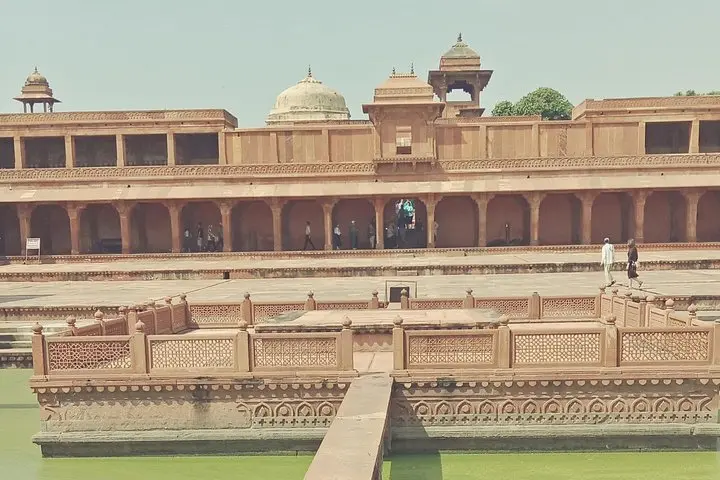
History here is layered: Mughal tombs and forts from the 16th–17th centuries, and the Dholpur princely state founded in 1806. Local culture is vivid in markets and small-town temples; guides often link architectural details to Rajput and Mughal patronage.
Practically: expect multiple short drives (Delhi↔Agra and Agra↔Jaipur are each about 3–5 hours on good roads), lots of walking on uneven surfaces, and a boat-based Chambal safari where cliffs and scrub watch you as much as you watch wildlife. Morning light is best for photography and animal activity; midafternoon can be hot and dusty.
Bring comfortable walking shoes, sun protection, and a small daypack; hydrate between stops and plan for early starts to avoid crowds at major sites. The trip balances cultural sightseeing with a compact taste of Rajasthan’s riverine wilderness — an efficient, accessible introduction to northern India’s history and landscape.
The itinerary includes a visit to the Taj Mahal, but admission fees are generally paid at the monument unless specified otherwise in your booking details.
Transfers and many sites are wheelchair-accessible or offer limited access, but some forts and riverbank areas have uneven terrain—confirm needs when booking.
Common sightings include gharial and mugger crocodiles, several waterbirds, and occasionally nilgai on riverbanks; sightings aren’t guaranteed and vary by season.
Yes—tipping is customary in India. Consider small daily tips for drivers and guides, adjusted for service quality and group size.
Ajay Day Tours operates guided outdoor trips and adventures with an emphasis on safety, stewardship, and memorable experiences.
You step out of the car before dawn as the first light slides across the Yamuna, and the Taj Mahal's white flank cools from silver to gold — the tour opens with that breath-catching view and sets a steady, purposeful tempo for five days.
You step out of the car before dawn as the first light slides across the Yamuna, and the Taj Mahal's white flank cools from silver to gold — the tour opens with that breath-catching view and sets a steady, purposeful tempo for five days.
This itinerary threads New Delhi, Agra, Dholpur and Jaipur: imperial monuments in Delhi and Agra, the unexpected badland geometry of the Chambal River near Dholpur, and the hilltop forts and palaces of Jaipur. The region sits on the flat Indo-Gangetic plains; where the Chambal cuts through, it exposes deep ravines carved by seasonal torrents — a dramatic contrast to the manicured Mughal gardens.
History here is layered: Mughal tombs and forts from the 16th–17th centuries, and the Dholpur princely state founded in 1806. Local culture is vivid in markets and small-town temples; guides often link architectural details to Rajput and Mughal patronage.
Practically: expect multiple short drives (Delhi↔Agra and Agra↔Jaipur are each about 3–5 hours on good roads), lots of walking on uneven surfaces, and a boat-based Chambal safari where cliffs and scrub watch you as much as you watch wildlife. Morning light is best for photography and animal activity; midafternoon can be hot and dusty.
Bring comfortable walking shoes, sun protection, and a small daypack; hydrate between stops and plan for early starts to avoid crowds at major sites. The trip balances cultural sightseeing with a compact taste of Rajasthan’s riverine wilderness — an efficient, accessible introduction to northern India’s history and landscape.