THE ADVENTURE COLLECTIVE® · Independent discovery and booking for outdoor travel

This seven-day Golden Triangle itinerary expands the classic Delhi–Agra–Jaipur loop to include Pushkar’s sacred lake and desert-flank culture. Expect a mix of Mughal monuments, Rajput palaces and temple rituals framed by long drives and short walks.
This seven-day Golden Triangle itinerary expands the classic Delhi–Agra–Jaipur loop to include Pushkar’s sacred lake and desert-flank culture. Expect a mix of Mughal monuments, Rajput palaces and temple rituals framed by long drives and short walks.
A dust-scented dawn on a Delhi service road gives way to the long silhouette of the Taj by afternoon—this seven-day loop moves from the capital’s crowded lanes to the Mughal stone of Agra, the pink sandstone ramparts of Jaipur and finally the wind-scoured ghats of Pushkar.
Verified experiences and guided adventures in the surrounding area.
Operated by Anaisha journey · Pushkar, Rajasthan
A dust-scented dawn on a Delhi service road gives way to the long silhouette of the Taj by afternoon—this seven-day loop moves from the capital’s crowded lanes to the Mughal stone of Agra, the pink sandstone ramparts of Jaipur and finally the wind-scoured ghats of Pushkar.
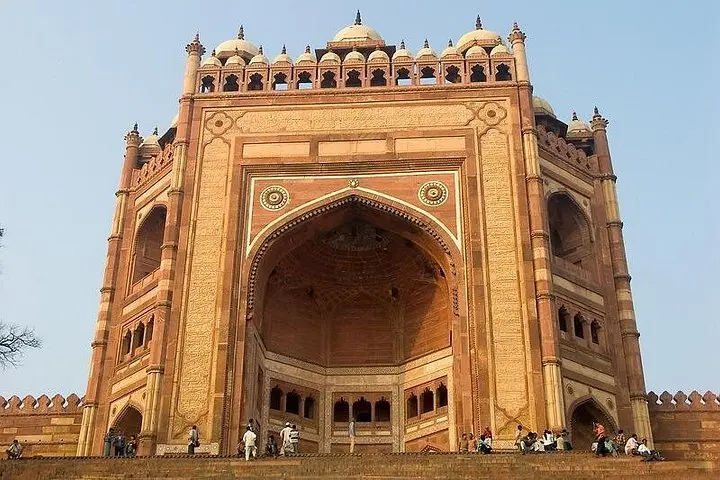
The route follows a long human history: Mughal gardens and tombs in Agra, the imperial outpost of Fatehpur Sikri, and Rajput palaces in Jaipur, capped by Pushkar’s lakeside temples and the rare Brahma temple. Geologically the region shifts from the alluvial plains around Delhi and Agra to the older Aravalli foothills near Jaipur and Pushkar; low hills and carved sandstone provide the sightseeing backdrop rather than alpine drama.
Culture here is public and performative—markets hum with traders, camels wind across open plains near Pushkar, and temple rituals frame daily life at the holy lake. Travelers will encounter pilgrim processions, traditional Rajasthani music, and the seasonal Pushkar Camel Fair if timed right.
Practically, expect long drives with regular stops for monuments, photo breaks and local guides; walking is moderate, mostly on paved or compacted surfaces with short stair climbs at monuments. Carry sun protection, a refillable water bottle and modest clothing for temple visits. Peak sights are best early morning or late afternoon to avoid heat and crowds. The experience blends heritage photography, gentle walking and cultural immersion—an accessible road trip for travelers who want concentrated history, architecture and Rajasthan’s desert-edge character in a single week.
Yes—the itinerary covers major, well-served sites with private transport and local guides, making it manageable for first‑time travelers.
Bring modest clothing that covers shoulders and knees; women may find a scarf useful for covering when required.
Expect long transfers between cities—typically 3–6 hours depending on the day—punctuated by multiple short sightseeing stops.
The camel fair is seasonal (autumn); if your dates overlap you’ll see the event, otherwise experience quieter markets and the lake rituals.
Anaisha journey operates guided outdoor trips and adventures with an emphasis on safety, stewardship, and memorable experiences.
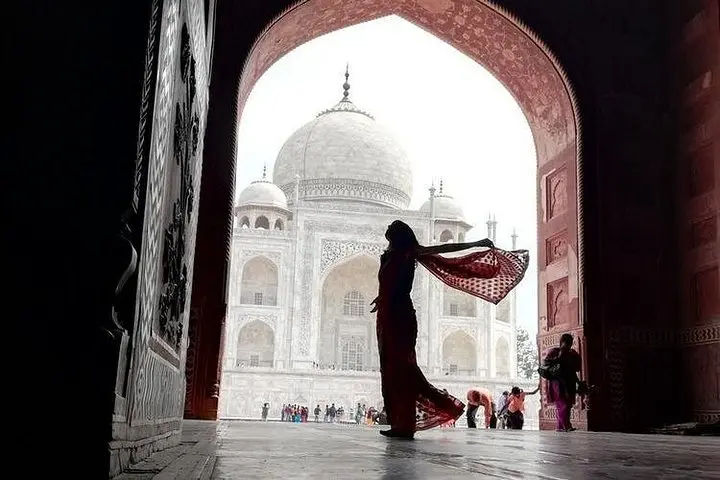
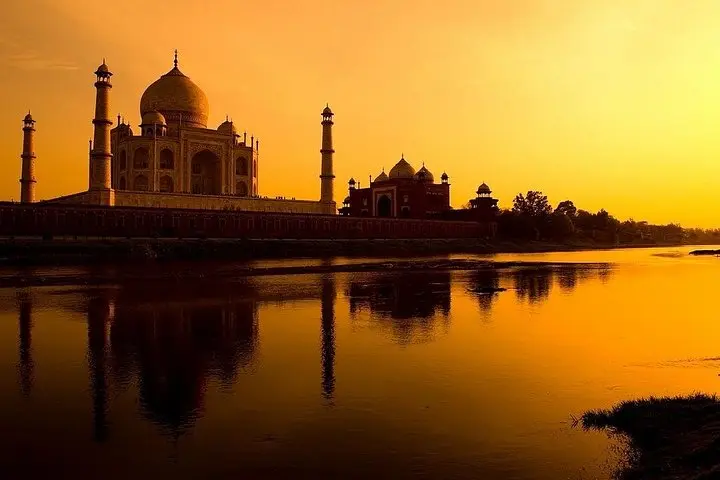
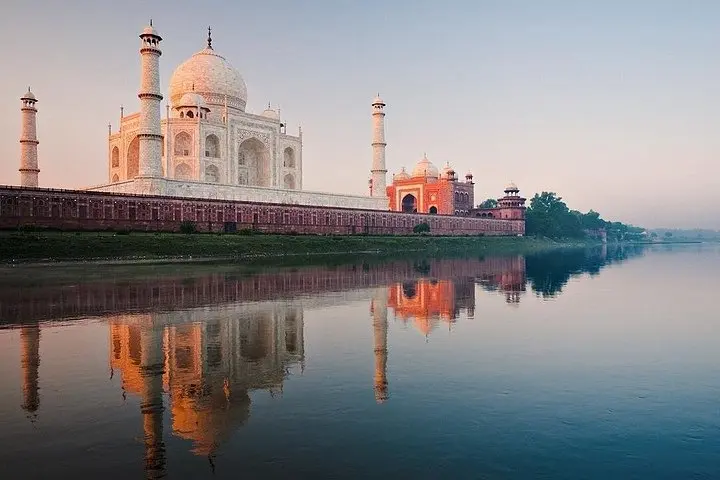
A dust-scented dawn on a Delhi service road gives way to the long silhouette of the Taj by afternoon—this seven-day loop moves from the capital’s crowded lanes to the Mughal stone of Agra, the pink sandstone ramparts of Jaipur and finally the wind-scoured ghats of Pushkar.
A dust-scented dawn on a Delhi service road gives way to the long silhouette of the Taj by afternoon—this seven-day loop moves from the capital’s crowded lanes to the Mughal stone of Agra, the pink sandstone ramparts of Jaipur and finally the wind-scoured ghats of Pushkar.
The route follows a long human history: Mughal gardens and tombs in Agra, the imperial outpost of Fatehpur Sikri, and Rajput palaces in Jaipur, capped by Pushkar’s lakeside temples and the rare Brahma temple. Geologically the region shifts from the alluvial plains around Delhi and Agra to the older Aravalli foothills near Jaipur and Pushkar; low hills and carved sandstone provide the sightseeing backdrop rather than alpine drama.
Culture here is public and performative—markets hum with traders, camels wind across open plains near Pushkar, and temple rituals frame daily life at the holy lake. Travelers will encounter pilgrim processions, traditional Rajasthani music, and the seasonal Pushkar Camel Fair if timed right.
Practically, expect long drives with regular stops for monuments, photo breaks and local guides; walking is moderate, mostly on paved or compacted surfaces with short stair climbs at monuments. Carry sun protection, a refillable water bottle and modest clothing for temple visits. Peak sights are best early morning or late afternoon to avoid heat and crowds. The experience blends heritage photography, gentle walking and cultural immersion—an accessible road trip for travelers who want concentrated history, architecture and Rajasthan’s desert-edge character in a single week.