THE ADVENTURE COLLECTIVE® · Independent discovery and booking for outdoor travel

Four days of Mughal monuments and dawn safaris: visit Delhi, Agra, Ranthambore and Jaipur with a private car, guided city tours and shared jeep safaris. Ideal for travelers who want heritage architecture and a realistic shot at tigers in one compact itinerary.
Four days of Mughal monuments and dawn safaris: visit Delhi, Agra, Ranthambore and Jaipur with a private car, guided city tours and shared jeep safaris. Ideal for travelers who want heritage architecture and a realistic shot at tigers in one compact itinerary.
You step out into predawn Delhi with the city still folding itself awake; the driver eases the air-conditioned car onto the highway and the landscape unfurls—monuments, sugar-cube towns and highway scrub—toward the white silhouette of the Taj at sunrise. Over four days the route alternates between hard‑edged Mughal stone and teak forest: the Taj Mahal’s ivory façade cooling as the sun climbs, the ramparts of Agra Fort holding histories of empire, and Ranthambore’s scrub forest opening like a theater when the first jeeps slip in at dawn.
Verified experiences and guided adventures in the surrounding area.
Operated by Indian Golden Triangle Tour · New Delhi, Delhi
You step out into predawn Delhi with the city still folding itself awake; the driver eases the air-conditioned car onto the highway and the landscape unfurls—monuments, sugar-cube towns and highway scrub—toward the white silhouette of the Taj at sunrise. Over four days the route alternates between hard‑edged Mughal stone and teak forest: the Taj Mahal’s ivory façade cooling as the sun climbs, the ramparts of Agra Fort holding histories of empire, and Ranthambore’s scrub forest opening like a theater when the first jeeps slip in at dawn.
This circuit stitches together Mughal and Rajput history—16th–18th century forts and palaces—on a bedrock of Vindhya‑era geology that created the low, rocky hills around Ranthambore. Jaipur’s Amber Fort and city palaces add a Rajput chapter, while small towns along the way preserve crafts, markets and street food culture.
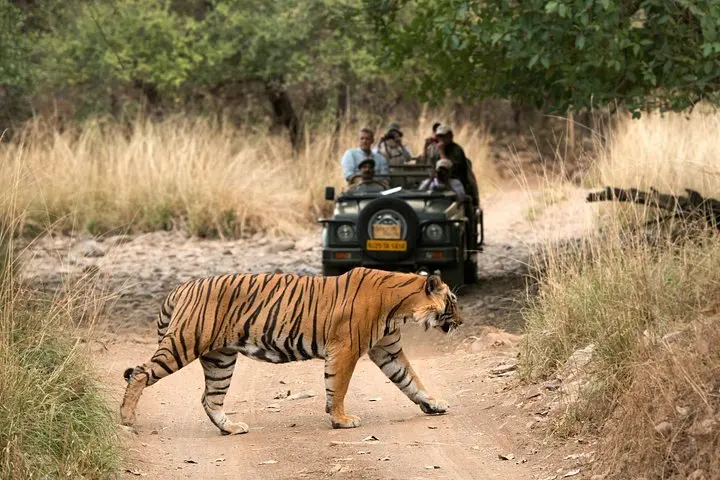
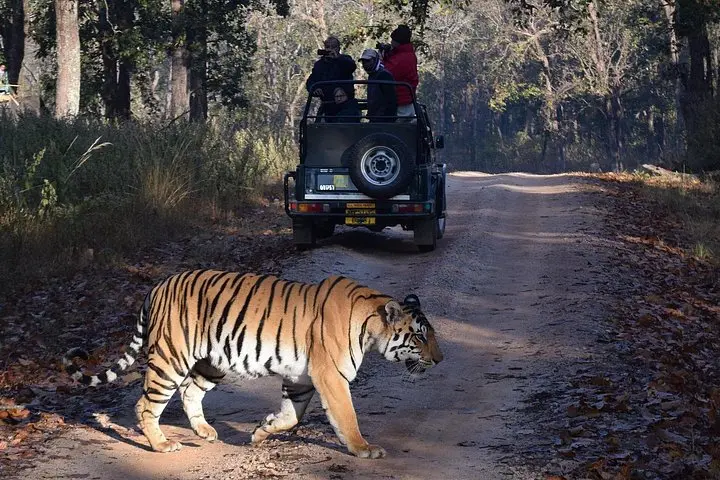
Expect long drives (Delhi–Agra ~3–4 hours; Agra–Ranthambore ~5–6 hours; Ranthambore–Jaipur ~3 hours) balanced with guided city walks and two safari drives in shared jeeps (around 3 hours each). Wildlife encounters are opportunistic—tigers are visible here, but sightings are never guaranteed. Practical planning matters: rise early for Taj and safaris, carry water, sun protection and layered clothing for cool mornings in the park, and bring a zoom lens for wildlife photography.
This tour is travel‑efficient for those wanting a concentrated taste of North India’s history and wildlife in four days—bookings usually include a private car, chosen hotel grade, breakfast and some dinners, and professional guide service; park safari seats are shared.
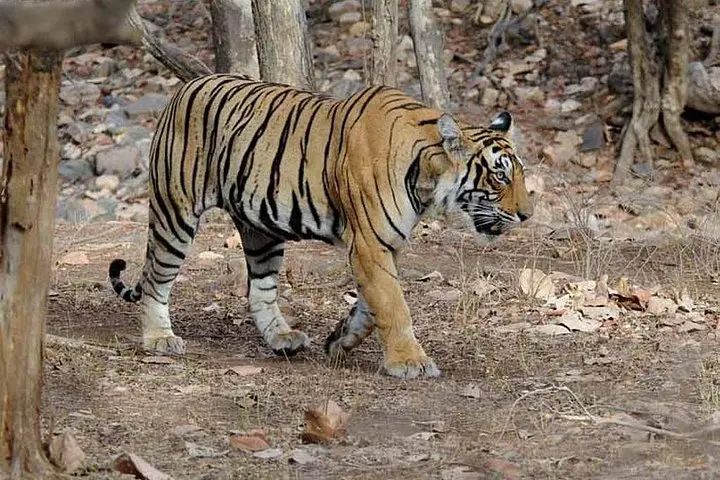
Ranthambore is one of India’s better reserves for tiger sightings, but sightings are not guaranteed; mornings and evenings are the most active times and guided jeeps maximize your chances.
Yes—it's described as suitable for all physical fitness levels, though consider long drives and early starts; those with mobility or health concerns should consult the operator.
October–March gives cooler weather and better wildlife visibility; summer can be very hot and monsoon months bring heavy rain that limits safaris.
Indian Golden Triangle Tour operates guided outdoor trips and adventures with an emphasis on safety, stewardship, and memorable experiences.

You step out into predawn Delhi with the city still folding itself awake; the driver eases the air-conditioned car onto the highway and the landscape unfurls—monuments, sugar-cube towns and highway scrub—toward the white silhouette of the Taj at sunrise. Over four days the route alternates between hard‑edged Mughal stone and teak forest: the Taj Mahal’s ivory façade cooling as the sun climbs, the ramparts of Agra Fort holding histories of empire, and Ranthambore’s scrub forest opening like a theater when the first jeeps slip in at dawn.
You step out into predawn Delhi with the city still folding itself awake; the driver eases the air-conditioned car onto the highway and the landscape unfurls—monuments, sugar-cube towns and highway scrub—toward the white silhouette of the Taj at sunrise. Over four days the route alternates between hard‑edged Mughal stone and teak forest: the Taj Mahal’s ivory façade cooling as the sun climbs, the ramparts of Agra Fort holding histories of empire, and Ranthambore’s scrub forest opening like a theater when the first jeeps slip in at dawn.
This circuit stitches together Mughal and Rajput history—16th–18th century forts and palaces—on a bedrock of Vindhya‑era geology that created the low, rocky hills around Ranthambore. Jaipur’s Amber Fort and city palaces add a Rajput chapter, while small towns along the way preserve crafts, markets and street food culture.
Expect long drives (Delhi–Agra ~3–4 hours; Agra–Ranthambore ~5–6 hours; Ranthambore–Jaipur ~3 hours) balanced with guided city walks and two safari drives in shared jeeps (around 3 hours each). Wildlife encounters are opportunistic—tigers are visible here, but sightings are never guaranteed. Practical planning matters: rise early for Taj and safaris, carry water, sun protection and layered clothing for cool mornings in the park, and bring a zoom lens for wildlife photography.
This tour is travel‑efficient for those wanting a concentrated taste of North India’s history and wildlife in four days—bookings usually include a private car, chosen hotel grade, breakfast and some dinners, and professional guide service; park safari seats are shared.