THE ADVENTURE COLLECTIVE® · Independent discovery and booking for outdoor travel

Move from the marble of the Taj Mahal to jeep safaris in Ranthambore and the forts of Jaipur on a five-day loop through India’s Golden Triangle. Expect early mornings, long drives, and prime wildlife viewing at dawn.
Move from the marble of the Taj Mahal to jeep safaris in Ranthambore and the forts of Jaipur on a five-day loop through India’s Golden Triangle. Expect early mornings, long drives, and prime wildlife viewing at dawn.
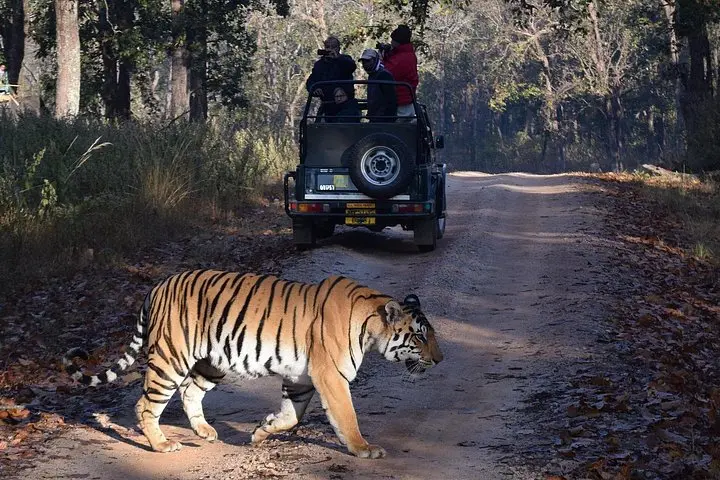
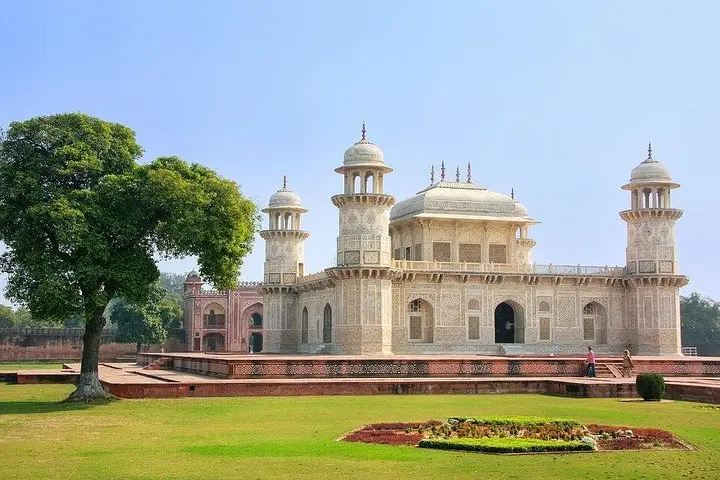
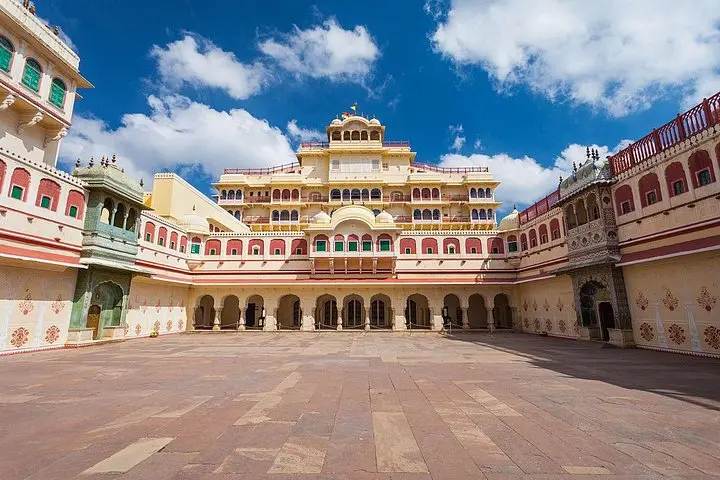
Morning unfolds against the ivory glow of the Taj Mahal at sunrise — marble cool to the touch, crowds hushed, the Yamuna pushing light across its face. Over five days you move from Delhi’s broad boulevards to Agra’s Mughal monuments, into the dry sal forests of Ranthambore where jeeps thread through sun-faded grass and the jungle seems to watch you back, and finally up into Jaipur’s sandstone hills and fortified palaces.
Verified experiences and guided adventures in the surrounding area.
Operated by Indian Heritage Journey · New Delhi, Delhi
Morning unfolds against the ivory glow of the Taj Mahal at sunrise — marble cool to the touch, crowds hushed, the Yamuna pushing light across its face. Over five days you move from Delhi’s broad boulevards to Agra’s Mughal monuments, into the dry sal forests of Ranthambore where jeeps thread through sun-faded grass and the jungle seems to watch you back, and finally up into Jaipur’s sandstone hills and fortified palaces.
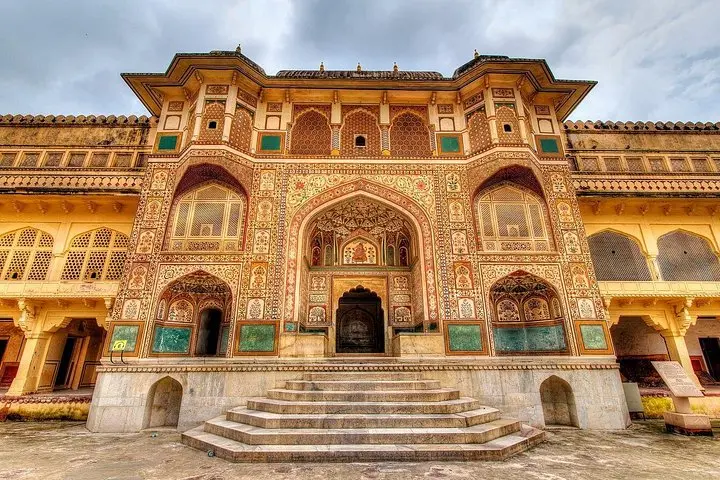
This route is history on a loop: Mughal tombs and forts born of 16th–17th century imperial ambition; the red sandstone ramparts of Amer and Agra Fort; and Ranthambore, a reclaimed royal hunting ground now a Project Tiger reserve with rocky outcrops, seasonal lakes and mixed-deciduous forest. Geology shifts from Indo-Gangetic plains to Vindhyan outcrops around Ranthambore; expect dusty tracks, sudden granite slabs and steep stair approaches at forts.
Practical guidance: the itinerary includes early-morning Taj Mahal access (sunrise), two morning safaris in Ranthambore (typically 6–9am), and full-day sightseeing in Jaipur. Road transfers are long — Delhi–Agra ~3–4 hours, Agra–Ranthambore ~4–5 hours, Ranthambore–Jaipur ~3–4 hours — so pack for comfort and carry water for drives.
Timing matters: safaris are best at dawn when wildlife is active; many park zones close in the monsoon (July–Sept). Dress respectfully in urban sites, wear sturdy shoes for fort approaches, and bring binoculars, sun protection and a sense of patience — tigers arrive on their terms, not the timetable.
No tour can guarantee a tiger sighting; Ranthambore has healthy tiger populations and dawn safaris maximize chances, but sightings depend on animal movement and luck.
Yes—some Ranthambore zones close seasonally, particularly during the monsoon (typically July 1–Sept 30), and access is subject to park management decisions.
The itinerary includes private air‑conditioned vehicle transfers between Delhi, Agra, Ranthambore and Jaipur as part of the package.
Yes—national park entry and safari permits require ID (passport recommended for foreigners) and are handled by operators, but carry originals and copies when traveling.
Indian Heritage Journey operates guided outdoor trips and adventures with an emphasis on safety, stewardship, and memorable experiences.
Morning unfolds against the ivory glow of the Taj Mahal at sunrise — marble cool to the touch, crowds hushed, the Yamuna pushing light across its face. Over five days you move from Delhi’s broad boulevards to Agra’s Mughal monuments, into the dry sal forests of Ranthambore where jeeps thread through sun-faded grass and the jungle seems to watch you back, and finally up into Jaipur’s sandstone hills and fortified palaces.
Morning unfolds against the ivory glow of the Taj Mahal at sunrise — marble cool to the touch, crowds hushed, the Yamuna pushing light across its face. Over five days you move from Delhi’s broad boulevards to Agra’s Mughal monuments, into the dry sal forests of Ranthambore where jeeps thread through sun-faded grass and the jungle seems to watch you back, and finally up into Jaipur’s sandstone hills and fortified palaces.
This route is history on a loop: Mughal tombs and forts born of 16th–17th century imperial ambition; the red sandstone ramparts of Amer and Agra Fort; and Ranthambore, a reclaimed royal hunting ground now a Project Tiger reserve with rocky outcrops, seasonal lakes and mixed-deciduous forest. Geology shifts from Indo-Gangetic plains to Vindhyan outcrops around Ranthambore; expect dusty tracks, sudden granite slabs and steep stair approaches at forts.
Practical guidance: the itinerary includes early-morning Taj Mahal access (sunrise), two morning safaris in Ranthambore (typically 6–9am), and full-day sightseeing in Jaipur. Road transfers are long — Delhi–Agra ~3–4 hours, Agra–Ranthambore ~4–5 hours, Ranthambore–Jaipur ~3–4 hours — so pack for comfort and carry water for drives.
Timing matters: safaris are best at dawn when wildlife is active; many park zones close in the monsoon (July–Sept). Dress respectfully in urban sites, wear sturdy shoes for fort approaches, and bring binoculars, sun protection and a sense of patience — tigers arrive on their terms, not the timetable.