THE ADVENTURE COLLECTIVE® · Independent discovery and booking for outdoor travel

An 8‑day private loop from New Delhi through Agra and Jaipur with two days of Ranthambore safaris—this trip pairs Mughal monuments with dry‑forest tiger country. Expect long drives, guided city walks and twice‑daily 3‑hour jungle rides for wildlife viewing.
An 8‑day private loop from New Delhi through Agra and Jaipur with two days of Ranthambore safaris—this trip pairs Mughal monuments with dry‑forest tiger country. Expect long drives, guided city walks and twice‑daily 3‑hour jungle rides for wildlife viewing.
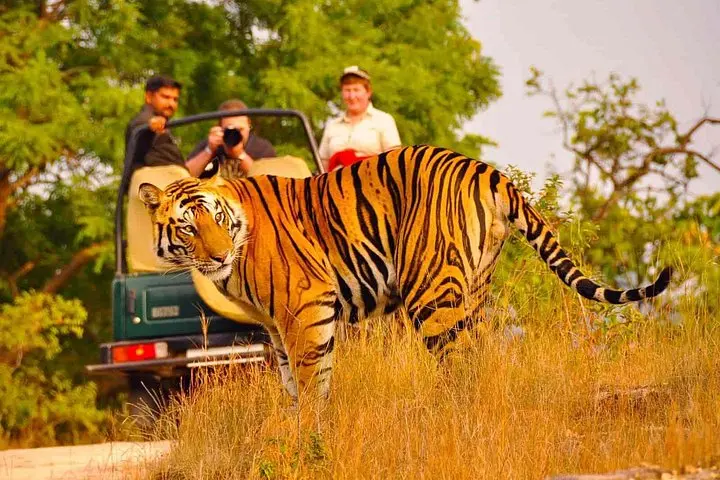
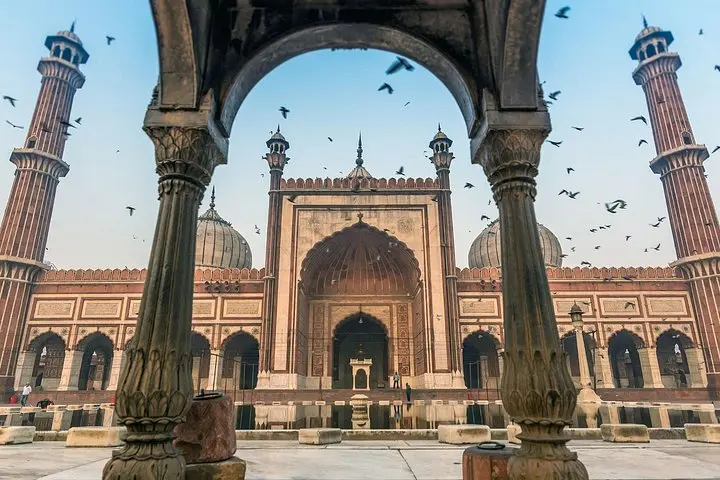
You step into Delhi before sunrise, the city’s early light softening domes and minarets as a private car pulls away toward the plains. By noon the marble of the Taj glows along the Yamuna; days later scrub forest and granite outcrops frame a jeep that bounces over a dirt track while a guide scans for a tiger’s stripe.
Verified experiences and guided adventures in the surrounding area.
Operated by Golden Taj Tours · New Delhi, Delhi
You step into Delhi before sunrise, the city’s early light softening domes and minarets as a private car pulls away toward the plains. By noon the marble of the Taj glows along the Yamuna; days later scrub forest and granite outcrops frame a jeep that bounces over a dirt track while a guide scans for a tiger’s stripe.
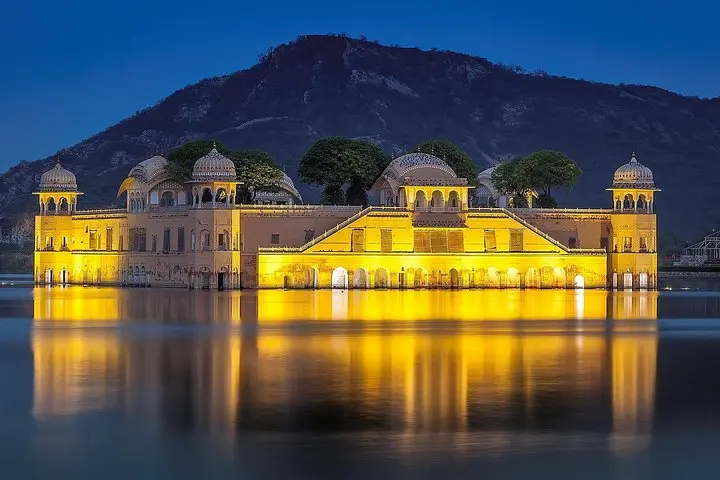
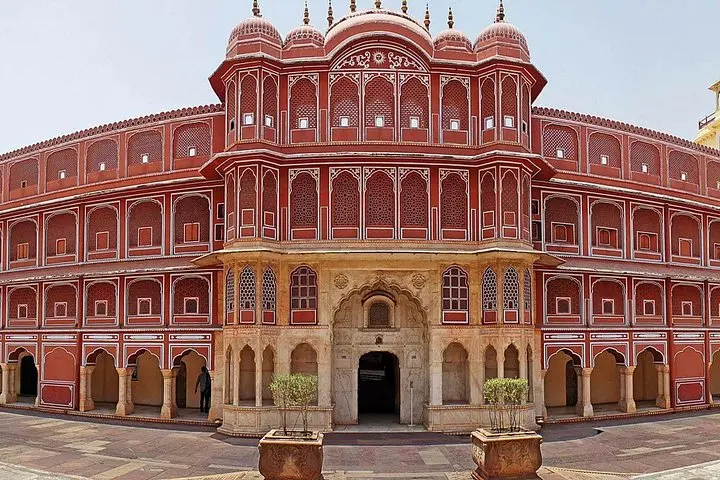
This 8‑day route threads three of India’s signature Mughal and Rajput sites—Delhi’s Qutub Minar and Humayun’s Tomb, Agra’s Taj Mahal and Agra Fort, and Jaipur’s Amber Fort and Hawa Mahal—then veers southwest to Ranthambore National Park, a former royal hunting ground set on the Aravalli‑Rajput fringe. Geology shifts from alluvial plains to red sandstone cities and finally to dry deciduous forest and seasonal lakes; cultural notes range from Mughal funerary art (Taj Mahal, 1632) to Jaipur’s 18th‑century planned streets.
Practically: plan for long drives—Delhi to Agra ~206 km, Agra to Ranthambore ~240 km, Ranthambore to Jaipur ~160 km, Jaipur back to Delhi ~280 km—mostly on paved highways with short stretches of rough track inside the park. Expect 3‑hour jungle safaris (morning and evening), hotel transfers, guided city walks and light walking at monuments. Best wildlife viewing is early morning; bring sun protection, refillable water, sturdy shoes and a small daypack. Respect park rules, follow guides’ instructions during safaris, and schedule buffer time for traffic and security checks. This itinerary balances cultural monuments with a focused wildlife window—ideal for travelers who want immersive history and a real chance at spotting a tiger in the wild.
Sightings are never guaranteed, but early‑morning and late‑afternoon safaris with experienced guides improve chances—Ranthambore has a healthy tiger population and structured zones for viewing.
This itinerary typically includes guided visits but check the booking—some state or private site fees may be extra depending on the operator.
Yes; the tour is vehicle‑based with light walking. Inform operators about mobility needs—many hotels and vehicles are accessible, but safaris involve open and bumpy rides.
Most international visitors need an Indian visa; check current entry requirements and routine vaccinations, plus any region‑specific health advice before travel.
Golden Taj Tours operates guided outdoor trips and adventures with an emphasis on safety, stewardship, and memorable experiences.
You step into Delhi before sunrise, the city’s early light softening domes and minarets as a private car pulls away toward the plains. By noon the marble of the Taj glows along the Yamuna; days later scrub forest and granite outcrops frame a jeep that bounces over a dirt track while a guide scans for a tiger’s stripe.
You step into Delhi before sunrise, the city’s early light softening domes and minarets as a private car pulls away toward the plains. By noon the marble of the Taj glows along the Yamuna; days later scrub forest and granite outcrops frame a jeep that bounces over a dirt track while a guide scans for a tiger’s stripe.
This 8‑day route threads three of India’s signature Mughal and Rajput sites—Delhi’s Qutub Minar and Humayun’s Tomb, Agra’s Taj Mahal and Agra Fort, and Jaipur’s Amber Fort and Hawa Mahal—then veers southwest to Ranthambore National Park, a former royal hunting ground set on the Aravalli‑Rajput fringe. Geology shifts from alluvial plains to red sandstone cities and finally to dry deciduous forest and seasonal lakes; cultural notes range from Mughal funerary art (Taj Mahal, 1632) to Jaipur’s 18th‑century planned streets.
Practically: plan for long drives—Delhi to Agra ~206 km, Agra to Ranthambore ~240 km, Ranthambore to Jaipur ~160 km, Jaipur back to Delhi ~280 km—mostly on paved highways with short stretches of rough track inside the park. Expect 3‑hour jungle safaris (morning and evening), hotel transfers, guided city walks and light walking at monuments. Best wildlife viewing is early morning; bring sun protection, refillable water, sturdy shoes and a small daypack. Respect park rules, follow guides’ instructions during safaris, and schedule buffer time for traffic and security checks. This itinerary balances cultural monuments with a focused wildlife window—ideal for travelers who want immersive history and a real chance at spotting a tiger in the wild.