THE ADVENTURE COLLECTIVE® · Independent discovery and booking for outdoor travel

This 9-day itinerary combines the Golden Triangle’s monuments—Delhi, Agra and Jaipur—with two Ranthambore safaris. Expect morning monument visits, rickshaw rides in Old Delhi, and guided jeep game drives in prime tiger country.
This 9-day itinerary combines the Golden Triangle’s monuments—Delhi, Agra and Jaipur—with two Ranthambore safaris. Expect morning monument visits, rickshaw rides in Old Delhi, and guided jeep game drives in prime tiger country.
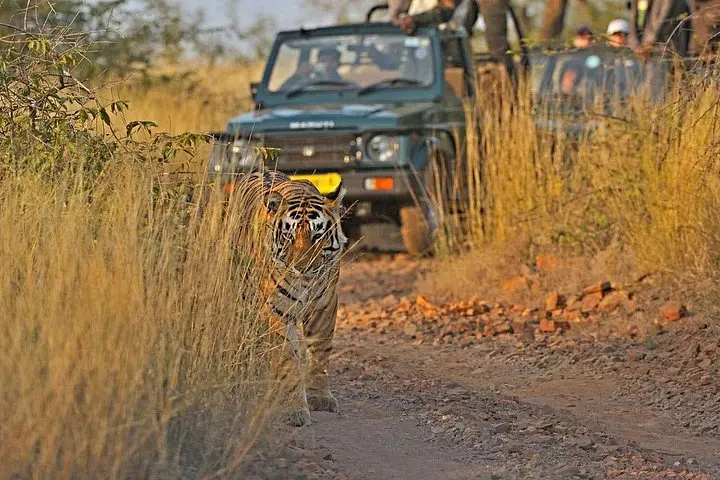
You arrive before dawn in New Delhi, the city’s noises folding into a cool morning that smells of chai and diesel. The tour threads through wide Mughal avenues and chaotic bazaars, then opens into the dry forested hills of Ranthambore where early light finds tigers moving along waterholes.
Verified experiences and guided adventures in the surrounding area.
Operated by Holidays At · New Delhi, Delhi
You arrive before dawn in New Delhi, the city’s noises folding into a cool morning that smells of chai and diesel. The tour threads through wide Mughal avenues and chaotic bazaars, then opens into the dry forested hills of Ranthambore where early light finds tigers moving along waterholes.
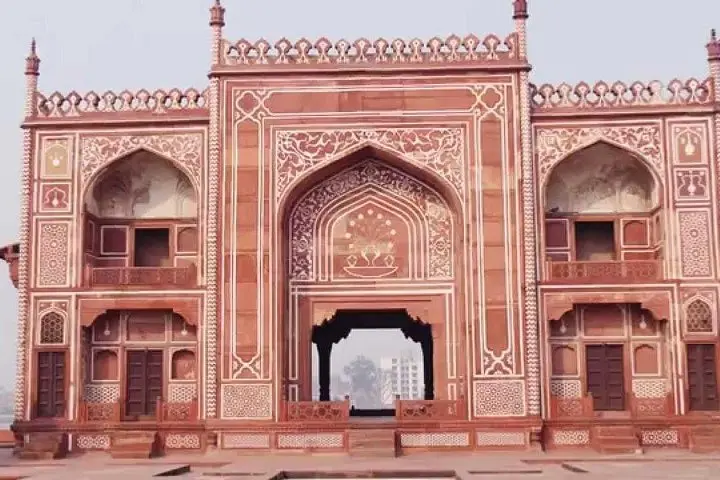
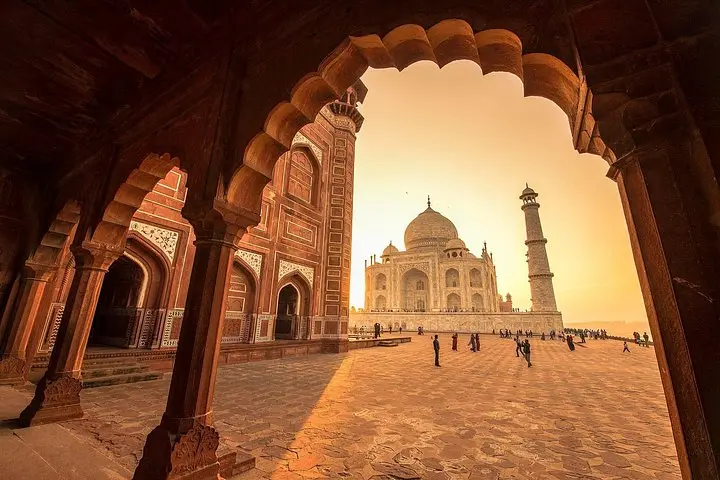
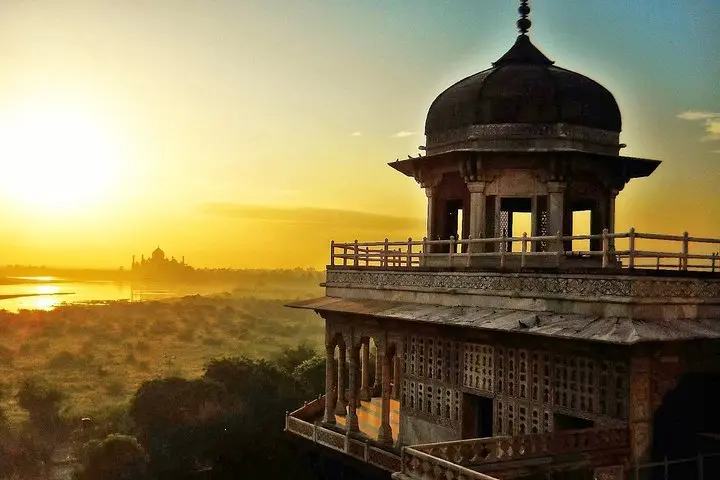
This nine-day route pairs the cultural heft of India’s Golden Triangle—New Delhi, Agra and Jaipur—with two guided safaris in Ranthambore National Park. The monuments tell overlapping stories: Humayun’s Tomb and Qutub Minar mark Mughal and pre-Mughal ambition; Agra’s Taj Mahal and Agra Fort speak of imperial patronage; Fatehpur Sikri is a 16th-century red‑stone political experiment. Geologically the region sits on the flat Indo-Gangetic plains that abruptly give way to the Vindhya‑era granite outcrops around Ranthambore, a landscape of scrub, meandering lakes and rocky ridges that funnel wildlife.
Expect guided city walks, a short rickshaw spin through Chandni Chowk, sunrise at the Taj, and two jeep safaris led by park naturalists in open 4x4s. Practical notes: drives between cities range from ~220 km (Delhi–Agra) to ~296 km (Agra–Ranthambore); pacing is moderate with mostly flat walking but early mornings and uneven trails in the park. Bring a telephoto lens, plan for sunrise visits to avoid crowds, hydrate in the heat, and wear broken‑in walking shoes for cobbled forts and dusty jeep tracks. Local markets light up at dusk—carry small change and an appetite to sample street snacks—while being mindful that Ranthambore is an active conservation area with strict park rules during safaris.
No—sightings are never guaranteed; the tour includes two guided safaris which improve the chance but wildlife moves unpredictably.
The trip is suitable for most travelers; expect short walks, stair climbs at forts, and early starts rather than sustained strenuous activity.
Yes—most international travelers need a valid Indian visa; check requirements well before travel and carry passport details during booking.
Tipping is customary; carry small currency for local guides, drivers and safari naturalists—discretionary amounts are accepted.
Holidays At operates guided outdoor trips and adventures with an emphasis on safety, stewardship, and memorable experiences.
You arrive before dawn in New Delhi, the city’s noises folding into a cool morning that smells of chai and diesel. The tour threads through wide Mughal avenues and chaotic bazaars, then opens into the dry forested hills of Ranthambore where early light finds tigers moving along waterholes.
You arrive before dawn in New Delhi, the city’s noises folding into a cool morning that smells of chai and diesel. The tour threads through wide Mughal avenues and chaotic bazaars, then opens into the dry forested hills of Ranthambore where early light finds tigers moving along waterholes.
This nine-day route pairs the cultural heft of India’s Golden Triangle—New Delhi, Agra and Jaipur—with two guided safaris in Ranthambore National Park. The monuments tell overlapping stories: Humayun’s Tomb and Qutub Minar mark Mughal and pre-Mughal ambition; Agra’s Taj Mahal and Agra Fort speak of imperial patronage; Fatehpur Sikri is a 16th-century red‑stone political experiment. Geologically the region sits on the flat Indo-Gangetic plains that abruptly give way to the Vindhya‑era granite outcrops around Ranthambore, a landscape of scrub, meandering lakes and rocky ridges that funnel wildlife.
Expect guided city walks, a short rickshaw spin through Chandni Chowk, sunrise at the Taj, and two jeep safaris led by park naturalists in open 4x4s. Practical notes: drives between cities range from ~220 km (Delhi–Agra) to ~296 km (Agra–Ranthambore); pacing is moderate with mostly flat walking but early mornings and uneven trails in the park. Bring a telephoto lens, plan for sunrise visits to avoid crowds, hydrate in the heat, and wear broken‑in walking shoes for cobbled forts and dusty jeep tracks. Local markets light up at dusk—carry small change and an appetite to sample street snacks—while being mindful that Ranthambore is an active conservation area with strict park rules during safaris.