
Golden Triangle with Ranthambore Tiger Safari: 8-Day Delhi, Agra & Jaipur Tour
An eight-day private circuit through India’s Golden Triangle with two-day Ranthambore tiger safaris. Combine iconic Mughal monuments with early-morning game drives, long scenic drives, and practical tips for maximizing sightings and comfort.
An Adventure In New Delhi.
An eight-day private circuit through India’s Golden Triangle with two-day Ranthambore tiger safaris. Combine iconic Mughal monuments with early-morning game drives, long scenic drives, and practical tips for maximizing sightings and comfort.
Read the full experience
Morning in Delhi arrives as a flat, humming city of concrete and peepal trees; within hours you’re tracing Mughal marble and Rajput ramparts, then slipping into scrubby forest tracks where the jungle dares you to spot a tiger.
Morning in Delhi arrives as a flat, humming city of concrete and peepal trees; within hours you’re tracing Mughal marble and Rajput ramparts, then slipping into scrubby forest tracks where the jungle dares you to spot a tiger.
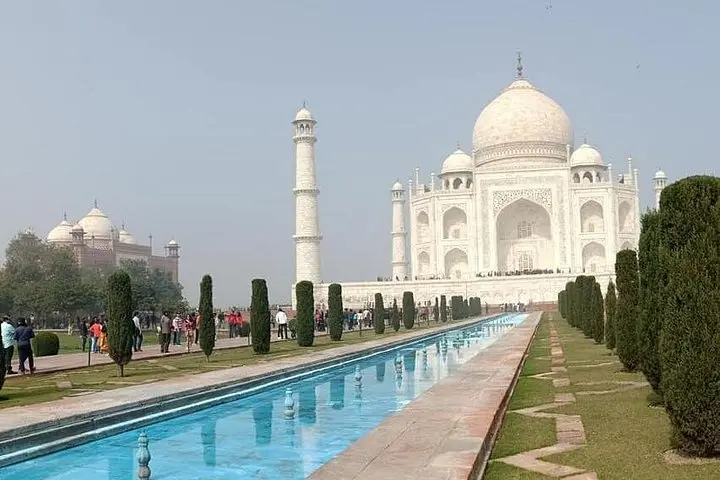
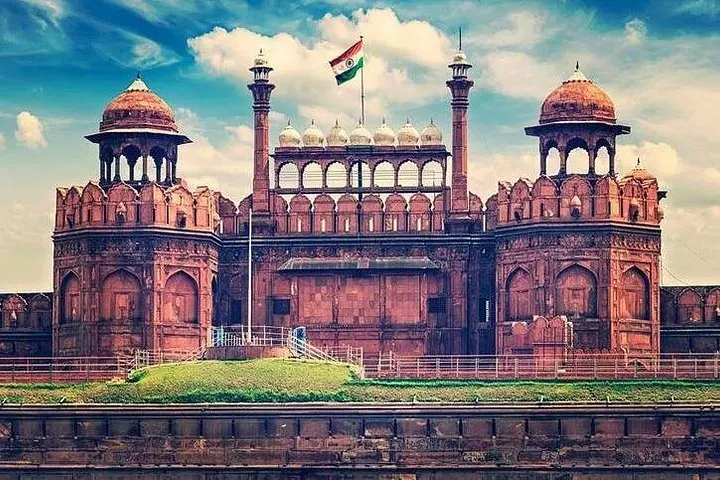
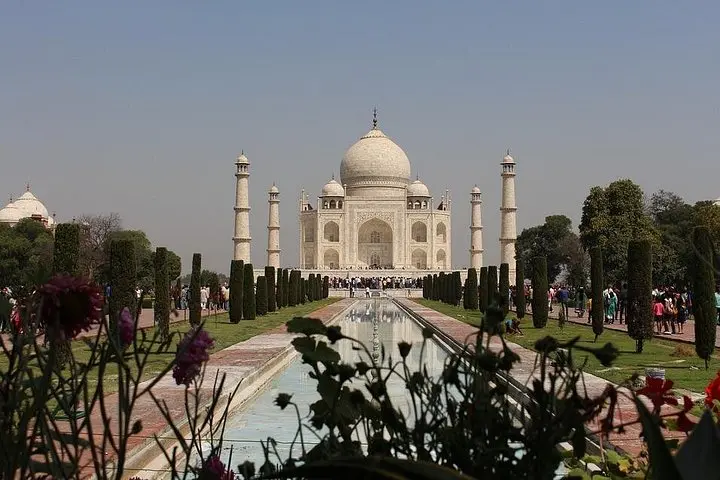
This eight-day loop threads three UNESCO-worthy cities—Delhi’s Qutub Minar and Humayun’s Tomb, Agra’s Taj Mahal and Agra Fort, and Jaipur’s Amber Fort and Hawa Mahal—together with two sunrises in Ranthambore National Park. The route crosses the Indo-Gangetic plains into the low Aravalli outliers; drives range from 3–6 hours (Delhi–Agra ~210 km, Agra–Ranthambhore ~250 km, Ranthambhore–Jaipur ~160 km). Terrain shifts from busy city streets and paved highways to dusty park tracks and dry deciduous woodland at 200–400 m elevation.
The region’s history is visible in carved stone and step wells like Abhaneri’s Chand Baori, a reminder of ancient water engineering amid arid countryside. Cultural life hums in bazaars and roadside tea stalls; English-speaking guides in Agra and Jaipur help translate architecture into story.
Practical guidance: plan early-morning game drives (AM and PM) for best wildlife chances; Ranthambore often restricts entry during monsoon months (typically July–September). The Taj is closed on Fridays; passport required for travel. Bring breathable layers, good walking shoes, sun protection and binoculars. Expect shared jeeps or canters inside the park and private vehicle transfers between cities. Hydrate on long drives, keep to park rules, and schedule Taj sunrise visits for softer light and fewer crowds.
Frequently asked questions
No—sightings aren’t guaranteed. Early morning and late afternoon drives improve odds; guides use local knowledge of recent sightings.
The tour includes specified vehicle transfers and optional 3-star accommodation with breakfast if selected; confirm room types at booking.
Ranthambore typically closes during the monsoon (roughly July–September), but exact dates depend on weather and park authority announcements.
Main urban sites are partially accessible and transport can be arranged, but safari jeeps and some historic sites have uneven surfaces and may be difficult for full mobility needs.
About This Experience
Sunrise Taj Mahal Tour operates guided outdoor trips and adventures with an emphasis on safety, stewardship, and memorable experiences.
Adventure tips
Recommended gear
- Comfortable walking shoes: Sturdy shoes handle city cobbles, palace steps and uneven park trails.
- Binoculars and camera: Binoculars improve wildlife viewing on jeep drives; a zoom lens helps capture tigers from a distance.
- Lightweight layers: Mornings can be cool (especially in winter); layers let you adjust during sunrise safaris.
- Sun protection (hat, sunscreen): Open plains and long drives expose you to intense sun—protect skin and eyes.
Photos of the experience

Related adventures & guides
Read the full experience
Morning in Delhi arrives as a flat, humming city of concrete and peepal trees; within hours you’re tracing Mughal marble and Rajput ramparts, then slipping into scrubby forest tracks where the jungle dares you to spot a tiger.
Morning in Delhi arrives as a flat, humming city of concrete and peepal trees; within hours you’re tracing Mughal marble and Rajput ramparts, then slipping into scrubby forest tracks where the jungle dares you to spot a tiger.
This eight-day loop threads three UNESCO-worthy cities—Delhi’s Qutub Minar and Humayun’s Tomb, Agra’s Taj Mahal and Agra Fort, and Jaipur’s Amber Fort and Hawa Mahal—together with two sunrises in Ranthambore National Park. The route crosses the Indo-Gangetic plains into the low Aravalli outliers; drives range from 3–6 hours (Delhi–Agra ~210 km, Agra–Ranthambhore ~250 km, Ranthambhore–Jaipur ~160 km). Terrain shifts from busy city streets and paved highways to dusty park tracks and dry deciduous woodland at 200–400 m elevation.
The region’s history is visible in carved stone and step wells like Abhaneri’s Chand Baori, a reminder of ancient water engineering amid arid countryside. Cultural life hums in bazaars and roadside tea stalls; English-speaking guides in Agra and Jaipur help translate architecture into story.
Practical guidance: plan early-morning game drives (AM and PM) for best wildlife chances; Ranthambore often restricts entry during monsoon months (typically July–September). The Taj is closed on Fridays; passport required for travel. Bring breathable layers, good walking shoes, sun protection and binoculars. Expect shared jeeps or canters inside the park and private vehicle transfers between cities. Hydrate on long drives, keep to park rules, and schedule Taj sunrise visits for softer light and fewer crowds.
Make a day of it nearby.
Verified experiences and guided adventures in the surrounding area.