THE ADVENTURE COLLECTIVE® · Independent discovery and booking for outdoor travel

Move from Delhi’s imperial avenues to Agra’s sunrise marble, Jaipur’s forts and Udaipur’s lakes in a compact six-day loop. This guided private tour pairs efficient travel with cultural depth—ideal for first-time visitors who want monuments, markets and manageable daily drives.
Move from Delhi’s imperial avenues to Agra’s sunrise marble, Jaipur’s forts and Udaipur’s lakes in a compact six-day loop. This guided private tour pairs efficient travel with cultural depth—ideal for first-time visitors who want monuments, markets and manageable daily drives.
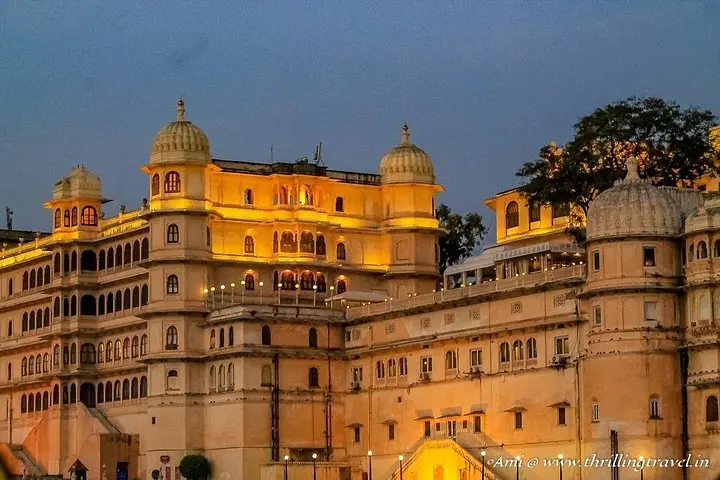
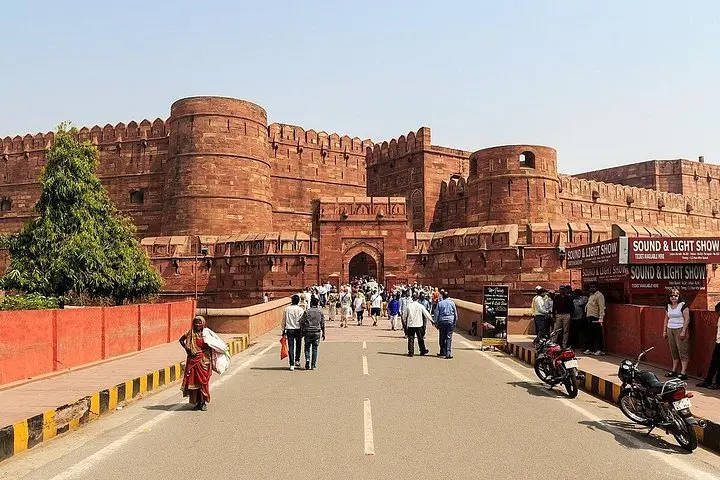
The throaty honk of Delhi traffic fades as the driver steers onto the expressway and the first outlines of the Taj Mahal appear at sunrise—its marble catching light like a quiet promise. Over six days you move from the imperial avenues of New Delhi to Agra’s Mughal monuments, through Jaipur’s pink palaces and into Udaipur’s lake-cooled alleyways, each day trading city noise for courtyards, forts and lakefront air.
Verified experiences and guided adventures in the surrounding area.
Operated by Indian Heritage Journey · New Delhi, Delhi
The throaty honk of Delhi traffic fades as the driver steers onto the expressway and the first outlines of the Taj Mahal appear at sunrise—its marble catching light like a quiet promise. Over six days you move from the imperial avenues of New Delhi to Agra’s Mughal monuments, through Jaipur’s pink palaces and into Udaipur’s lake-cooled alleyways, each day trading city noise for courtyards, forts and lakefront air.
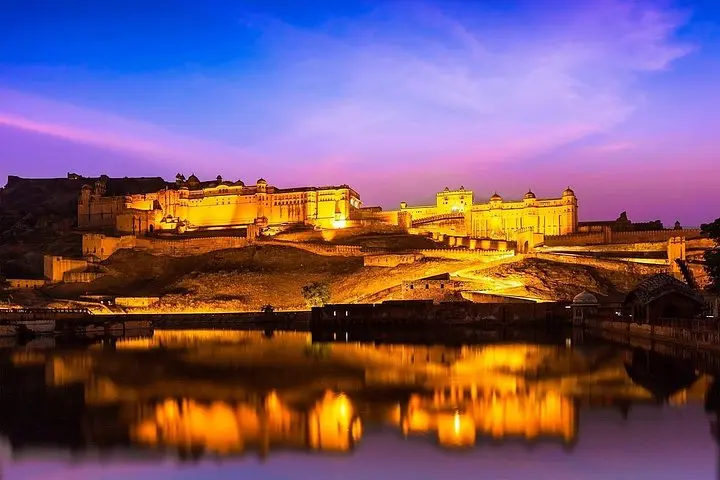
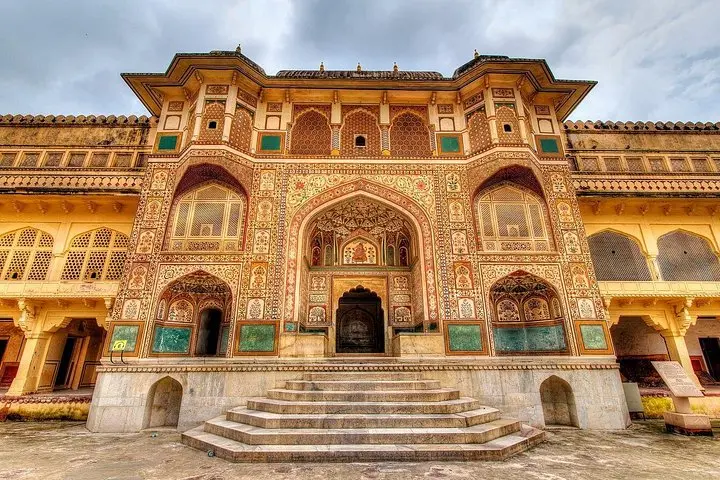
These stops map centuries of history: Mughal garden planning in Agra, Rajput hill fort architecture around Jaipur, and the artificial lakes of Udaipur carved from the Aravalli foothills. Geology shows in the weathered sandstone ramparts of Amber Fort and the green-sloped Aravalli ridges that break Rajasthan’s horizon. Expect markets thick with block-printed textiles, lacquered bangles, and the clack of artisanal workshops where craft still follows old patterns.
Practically, the itinerary balances guided visits and drive time—Delhi to Agra is 3–4 hours on the expressway; Jaipur to Udaipur about 5–6 hours by road. Sunrise at the Taj avoids midday crowds and heat; Amber Fort’s steep stair sections are best tackled early. Dress respectfully for temples, carry a refillable water bottle, and plan for dusty streets and intermittent walking on uneven stone.
Guides on this route handle logistics—skip-the-line options vary—so bring comfortable walking shoes, sun protection, and a phone power bank. A small tip budget for local guides and drivers smooths transitions. The trip pairs rich history with practical travel rhythm: early starts, concentrated sightseeing, and evenings to taste local cuisine or watch lakesides cool into dusk.
Admission is typically not included; the itinerary schedules a sunrise visit but confirm ticket inclusion at booking.
Expect about 5–6 hours by private car depending on traffic and stops en route.
Many listed hotels offer accessible rooms and transport; the itinerary notes wheelchair accessibility but check specifics with the operator before booking.
October–March offers milder weather and clearer skies; summers are hot and winters can be cool in the mornings and evenings.
Indian Heritage Journey operates guided outdoor trips and adventures with an emphasis on safety, stewardship, and memorable experiences.
The throaty honk of Delhi traffic fades as the driver steers onto the expressway and the first outlines of the Taj Mahal appear at sunrise—its marble catching light like a quiet promise. Over six days you move from the imperial avenues of New Delhi to Agra’s Mughal monuments, through Jaipur’s pink palaces and into Udaipur’s lake-cooled alleyways, each day trading city noise for courtyards, forts and lakefront air.
The throaty honk of Delhi traffic fades as the driver steers onto the expressway and the first outlines of the Taj Mahal appear at sunrise—its marble catching light like a quiet promise. Over six days you move from the imperial avenues of New Delhi to Agra’s Mughal monuments, through Jaipur’s pink palaces and into Udaipur’s lake-cooled alleyways, each day trading city noise for courtyards, forts and lakefront air.
These stops map centuries of history: Mughal garden planning in Agra, Rajput hill fort architecture around Jaipur, and the artificial lakes of Udaipur carved from the Aravalli foothills. Geology shows in the weathered sandstone ramparts of Amber Fort and the green-sloped Aravalli ridges that break Rajasthan’s horizon. Expect markets thick with block-printed textiles, lacquered bangles, and the clack of artisanal workshops where craft still follows old patterns.
Practically, the itinerary balances guided visits and drive time—Delhi to Agra is 3–4 hours on the expressway; Jaipur to Udaipur about 5–6 hours by road. Sunrise at the Taj avoids midday crowds and heat; Amber Fort’s steep stair sections are best tackled early. Dress respectfully for temples, carry a refillable water bottle, and plan for dusty streets and intermittent walking on uneven stone.
Guides on this route handle logistics—skip-the-line options vary—so bring comfortable walking shoes, sun protection, and a phone power bank. A small tip budget for local guides and drivers smooths transitions. The trip pairs rich history with practical travel rhythm: early starts, concentrated sightseeing, and evenings to taste local cuisine or watch lakesides cool into dusk.