THE ADVENTURE COLLECTIVE® · Independent discovery and booking for outdoor travel

Glide through Rome’s hills in a quiet, electric golf cart guided by a local who plots a path between imperial landmarks and tucked-away viewpoints. This two-to-three hour private tour blends big monuments with off-the-beaten-track surprises and practical local insight.
Glide through Rome’s hills in a quiet, electric golf cart guided by a local who plots a path between imperial landmarks and tucked-away viewpoints. This two-to-three hour private tour blends big monuments with off-the-beaten-track surprises and practical local insight.
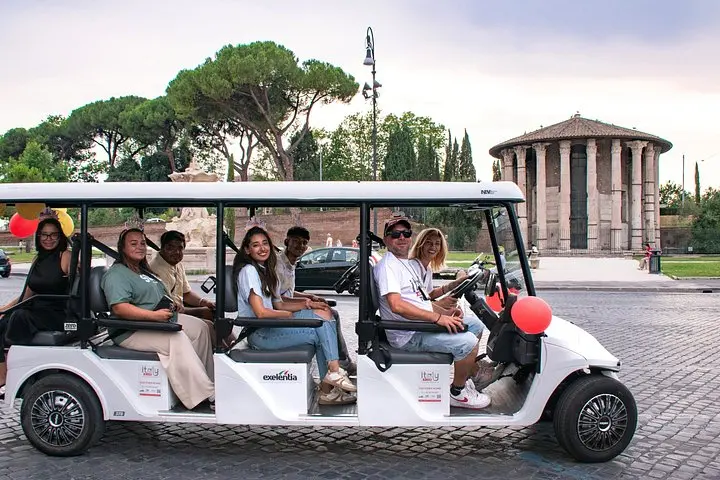
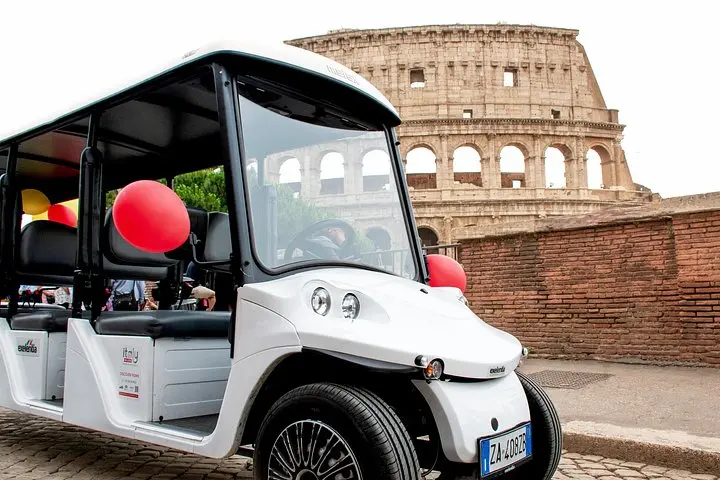
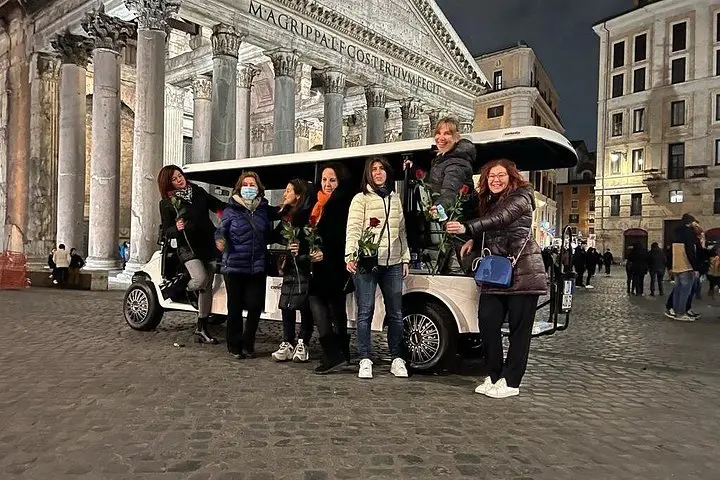
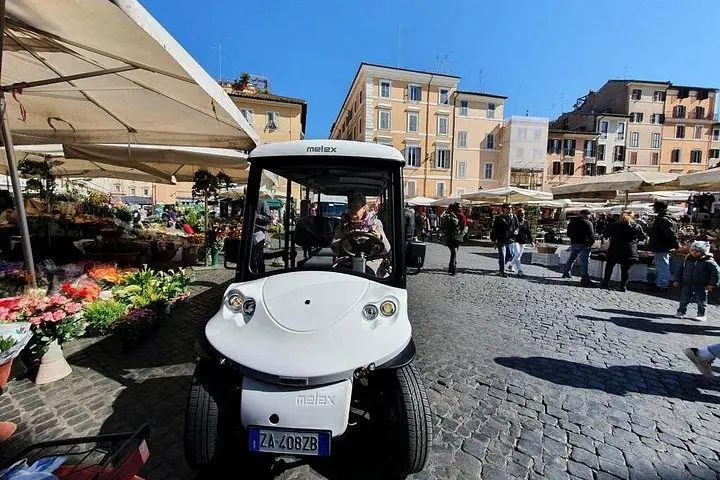
You pull away from the traffic-choked avenues and the city opens like a map of layers: cobbles, travertine façades, and green terraces sliding down the hills. The golf cart hums quietly as your local guide steers you up narrow streets where buses can’t go, the Aventine and Palatine rising like chapters of an old book. You feel the stones underfoot and the city’s scale — intimate, stubborn, and constantly on display.
Verified experiences and guided adventures in the surrounding area.
Operated by Golf Cart Tours Rome · Rome, Lazio
You pull away from the traffic-choked avenues and the city opens like a map of layers: cobbles, travertine façades, and green terraces sliding down the hills. The golf cart hums quietly as your local guide steers you up narrow streets where buses can’t go, the Aventine and Palatine rising like chapters of an old book. You feel the stones underfoot and the city’s scale — intimate, stubborn, and constantly on display.
Rome’s hills are living archives. The Colosseum’s battered arches recall imperial spectacles; Circus Maximus stretches in memory along a flattened valley where chariots once thundered. Marble temples, restored and repurposed across centuries, sit beside medieval churches and Baroque piazzas. Geologically, Rome’s bedrock of tuff and travertine shaped where Romans built, and those materials still mark façades and monuments. Culturally, neighborhoods bear artisan workshops, neighborhood markets, and cafés that anchor daily life.
On this private, eco-friendly golf-cart route expect a mix of quick photo stops and explanatory pauses: exterior views of major monuments, lesser-known sites like the Forum Boarium, and vantage points framed by orange trees. Practical notes: tours last 2–3 hours with light walking for viewpoints and short stair sections. Bring sun protection and comfortable shoes for cobbled streets; the carts avoid steep climbs but won’t replace sensible footwear. Morning and late afternoon tours beat both heat and crowds. Ask your guide about quieter alleys and the best time to visit the keyhole view of St. Peter’s — those moments are what make a short tour feel like a private exploration of imperial Rome.
No; the itinerary provides exterior views of the Colosseum and other monuments but does not include interior admission.
The golf cart reduces walking, but there are short walking and stair sections at some viewpoints; notify the operator of accessibility needs when booking.
Tours are private; carts typically seat small groups — confirm maximum group size with the operator at booking.
Guides are local and commonly speak English; check the tour listing or request a specific language when booking.
Golf Cart Tours Rome operates guided outdoor trips and adventures with an emphasis on safety, stewardship, and memorable experiences.
You pull away from the traffic-choked avenues and the city opens like a map of layers: cobbles, travertine façades, and green terraces sliding down the hills. The golf cart hums quietly as your local guide steers you up narrow streets where buses can’t go, the Aventine and Palatine rising like chapters of an old book. You feel the stones underfoot and the city’s scale — intimate, stubborn, and constantly on display.
You pull away from the traffic-choked avenues and the city opens like a map of layers: cobbles, travertine façades, and green terraces sliding down the hills. The golf cart hums quietly as your local guide steers you up narrow streets where buses can’t go, the Aventine and Palatine rising like chapters of an old book. You feel the stones underfoot and the city’s scale — intimate, stubborn, and constantly on display.
Rome’s hills are living archives. The Colosseum’s battered arches recall imperial spectacles; Circus Maximus stretches in memory along a flattened valley where chariots once thundered. Marble temples, restored and repurposed across centuries, sit beside medieval churches and Baroque piazzas. Geologically, Rome’s bedrock of tuff and travertine shaped where Romans built, and those materials still mark façades and monuments. Culturally, neighborhoods bear artisan workshops, neighborhood markets, and cafés that anchor daily life.
On this private, eco-friendly golf-cart route expect a mix of quick photo stops and explanatory pauses: exterior views of major monuments, lesser-known sites like the Forum Boarium, and vantage points framed by orange trees. Practical notes: tours last 2–3 hours with light walking for viewpoints and short stair sections. Bring sun protection and comfortable shoes for cobbled streets; the carts avoid steep climbs but won’t replace sensible footwear. Morning and late afternoon tours beat both heat and crowds. Ask your guide about quieter alleys and the best time to visit the keyhole view of St. Peter’s — those moments are what make a short tour feel like a private exploration of imperial Rome.