THE ADVENTURE COLLECTIVE® · Independent discovery and booking for outdoor travel

Witness an ancient Goma fire ritual on Mt. Inunaki and participate in a focused Buddhist purification ceremony. This two-hour experience blends mountain pilgrimage, prayer offerings, and a calming hot-spring finish.
Witness an ancient Goma fire ritual on Mt. Inunaki and participate in a focused Buddhist purification ceremony. This two-hour experience blends mountain pilgrimage, prayer offerings, and a calming hot-spring finish.
Dawn slips through cedar trunks as you step into the temple courtyard on Mt. Inunaki, the air cool and scented with pine and incense. The main hall waits, a simple wooden frame warmed by low light; beyond it, priests tend a focused blaze. The Goma fire, bright and purposeful, eats the written wishes placed on gomaki and seems to dare impurities to remain.
Verified experiences and guided adventures in the surrounding area.
Operated by icpトラベル · Izumisano, Osaka Prefecture
Dawn slips through cedar trunks as you step into the temple courtyard on Mt. Inunaki, the air cool and scented with pine and incense. The main hall waits, a simple wooden frame warmed by low light; beyond it, priests tend a focused blaze. The Goma fire, bright and purposeful, eats the written wishes placed on gomaki and seems to dare impurities to remain.
Mt. Inunaki is one of Japan’s older sacred mountains and figures in the history of Shugendō — mountain ascetic practices that blend Shinto and esoteric Buddhism. Geologically the slopes are low but steep, carved by streams that cut narrow gullies and feed mossy waterfalls. The ritual centers on Fudō Myōō (Acala), whose fire symbolizes transforming obstacles into clarity.
Visitors sit quietly, write intentions on wooden sticks, and watch priests chant mantras while offering herbs, rice, and incense to the flames. Nearby, the hot springs soften muscles after a short pilgrimage along forest paths that reveal small shrines and a tucked-away waterfall.
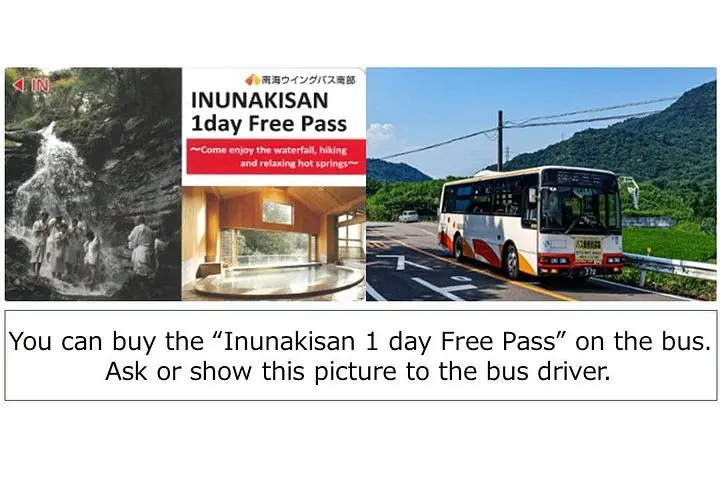
Practical guidance: arrive 15–30 minutes early to buy bus passes and orient yourself; dress conservatively (shoulders and knees covered) and remove hats indoors. Respect temple protocol: stay quiet during chants, follow staff directions for offerings, and ask before photographing. Wear sturdy, closed-toe shoes for the short walk to the outdoor fire area and bring small bills for donations and the one-day bus pass.
The experience is short—about two hours—but intense: a cultural, sensory arc from mountain hush through ritual heat to the restorative calm of an onsen.
Ask permission before photographing; some sections are private and photographers may be asked to refrain during chants.
No — the ceremony is guided and suitable for first-time participants; simply follow the priest’s instructions.
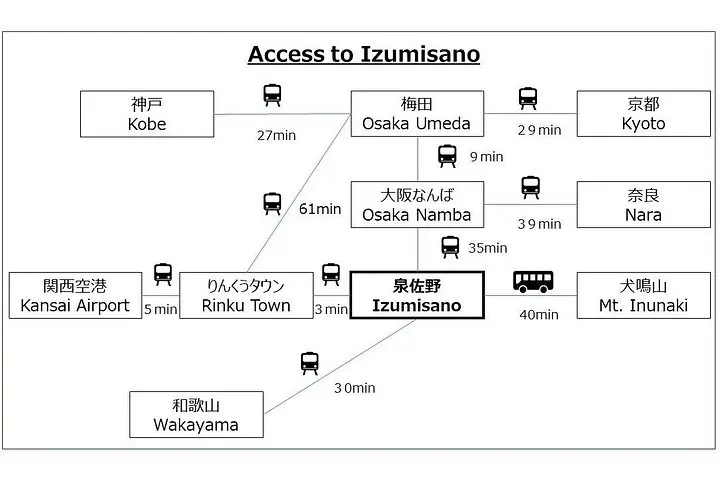
Public buses serve the area; organizers recommend purchasing a one-day bus pass and arriving early to board.
Yes — the experience often includes time at Inunaki hot springs; bring swimwear where required and follow bathing etiquette.
icpトラベル operates guided outdoor trips and adventures with an emphasis on safety, stewardship, and memorable experiences.
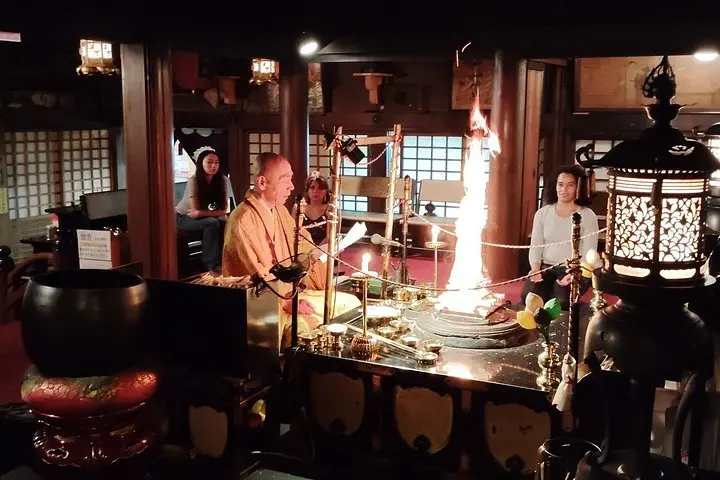
Dawn slips through cedar trunks as you step into the temple courtyard on Mt. Inunaki, the air cool and scented with pine and incense. The main hall waits, a simple wooden frame warmed by low light; beyond it, priests tend a focused blaze. The Goma fire, bright and purposeful, eats the written wishes placed on gomaki and seems to dare impurities to remain.
Dawn slips through cedar trunks as you step into the temple courtyard on Mt. Inunaki, the air cool and scented with pine and incense. The main hall waits, a simple wooden frame warmed by low light; beyond it, priests tend a focused blaze. The Goma fire, bright and purposeful, eats the written wishes placed on gomaki and seems to dare impurities to remain.
Mt. Inunaki is one of Japan’s older sacred mountains and figures in the history of Shugendō — mountain ascetic practices that blend Shinto and esoteric Buddhism. Geologically the slopes are low but steep, carved by streams that cut narrow gullies and feed mossy waterfalls. The ritual centers on Fudō Myōō (Acala), whose fire symbolizes transforming obstacles into clarity.
Visitors sit quietly, write intentions on wooden sticks, and watch priests chant mantras while offering herbs, rice, and incense to the flames. Nearby, the hot springs soften muscles after a short pilgrimage along forest paths that reveal small shrines and a tucked-away waterfall.
Practical guidance: arrive 15–30 minutes early to buy bus passes and orient yourself; dress conservatively (shoulders and knees covered) and remove hats indoors. Respect temple protocol: stay quiet during chants, follow staff directions for offerings, and ask before photographing. Wear sturdy, closed-toe shoes for the short walk to the outdoor fire area and bring small bills for donations and the one-day bus pass.
The experience is short—about two hours—but intense: a cultural, sensory arc from mountain hush through ritual heat to the restorative calm of an onsen.