THE ADVENTURE COLLECTIVE® · Independent discovery and booking for outdoor travel

Explore Gomantong’s echoing limestone caverns then glide the Kinabatangan River at peak wildlife hours. This full-day tour pairs dramatic cave corridors with an evening river safari where proboscis monkeys, hornbills, and elusive elephants often appear.
Explore Gomantong’s echoing limestone caverns then glide the Kinabatangan River at peak wildlife hours. This full-day tour pairs dramatic cave corridors with an evening river safari where proboscis monkeys, hornbills, and elusive elephants often appear.
You step out of the minibus into humid Borneo air, the jungle pressing close and the distant river like a slow-moving mirror. Boardwalks lead into Gomantong’s Black Cave where the ceilings pulse with life: swiftlets dart like living notes and bats hang in patient silence. Later the tea-colored Kinabatangan unfurls—mangrove fringes, oxbow lakes, and low ridgelines—each bend presenting a new portrait of wildlife activity.
Verified experiences and guided adventures in the surrounding area.
Operated by Wadi Rum Fire Camp · Sandakan, Sabah
You step out of the minibus into humid Borneo air, the jungle pressing close and the distant river like a slow-moving mirror. Boardwalks lead into Gomantong’s Black Cave where the ceilings pulse with life: swiftlets dart like living notes and bats hang in patient silence. Later the tea-colored Kinabatangan unfurls—mangrove fringes, oxbow lakes, and low ridgelines—each bend presenting a new portrait of wildlife activity.
Gomantong is a limestone complex formed over millennia by calcite deposition and erosion; its caverns became important to local communities for edible bird's nests, a practice with deep cultural roots and strict seasonal regulation. The Kinabatangan basin is Sabah’s longest river corridor and a biodiversity hotspot, shaped by riverine sediment and seasonal floods that nourish riverine forests and oxbow lakes.
Practical guidance: the day is long (roughly 10 hours) and mostly low-impact—boardwalks in the caves and calm river cruising—but humidity and insects demand planning. Bring insect repellent, a light rain layer, binoculars, and a camera with a tele lens. Hydrate before outings and move quietly during river cruises; guides use low-light hours to find proboscis monkeys, hornbills, and riverine elephants. Expect muddy paths at lodge approaches and slippery boardwalks inside caves; use closed-toe shoes with grip.
Timing matters: gomantong can be dramatic during nest-harvest windows (Feb–Apr, Jul–Sep), while the late afternoon cruise often concentrates wildlife along riverbanks. Respect signage, follow guides’ directions, and keep noise low to increase sighting chances. This is a ritual of observation—Borneo’s wildlife is the actor, you the attentive audience.
No—sightings aren’t guaranteed; guides increase chances by using local knowledge and timing cruises for dawn and late afternoon when animals are most active.
Yes—public areas like Simud Hitam (Black Cave) have maintained boardwalks, but follow guide instructions and watch for slippery sections and low ceilings.
Lunch and an early dinner are included; notify operators of dietary restrictions at booking so local meals can be adjusted when possible.
No—this tour is not wheelchair accessible due to boardwalks, boat access, and uneven terrain at lodges.
Wadi Rum Fire Camp operates guided outdoor trips and adventures with an emphasis on safety, stewardship, and memorable experiences.
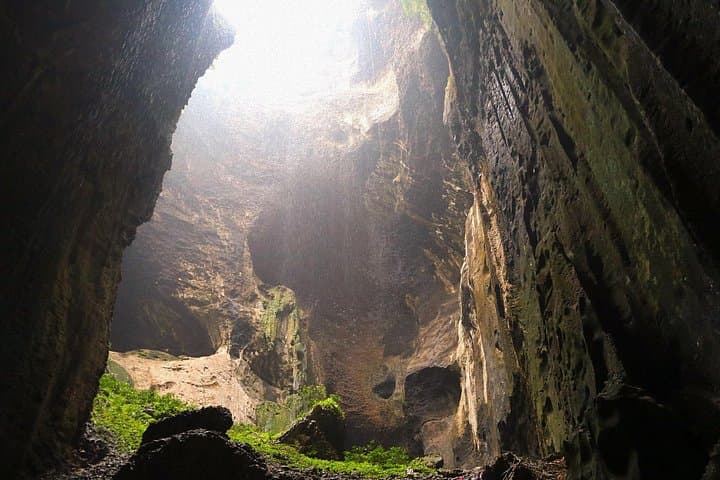


You step out of the minibus into humid Borneo air, the jungle pressing close and the distant river like a slow-moving mirror. Boardwalks lead into Gomantong’s Black Cave where the ceilings pulse with life: swiftlets dart like living notes and bats hang in patient silence. Later the tea-colored Kinabatangan unfurls—mangrove fringes, oxbow lakes, and low ridgelines—each bend presenting a new portrait of wildlife activity.
You step out of the minibus into humid Borneo air, the jungle pressing close and the distant river like a slow-moving mirror. Boardwalks lead into Gomantong’s Black Cave where the ceilings pulse with life: swiftlets dart like living notes and bats hang in patient silence. Later the tea-colored Kinabatangan unfurls—mangrove fringes, oxbow lakes, and low ridgelines—each bend presenting a new portrait of wildlife activity.
Gomantong is a limestone complex formed over millennia by calcite deposition and erosion; its caverns became important to local communities for edible bird's nests, a practice with deep cultural roots and strict seasonal regulation. The Kinabatangan basin is Sabah’s longest river corridor and a biodiversity hotspot, shaped by riverine sediment and seasonal floods that nourish riverine forests and oxbow lakes.
Practical guidance: the day is long (roughly 10 hours) and mostly low-impact—boardwalks in the caves and calm river cruising—but humidity and insects demand planning. Bring insect repellent, a light rain layer, binoculars, and a camera with a tele lens. Hydrate before outings and move quietly during river cruises; guides use low-light hours to find proboscis monkeys, hornbills, and riverine elephants. Expect muddy paths at lodge approaches and slippery boardwalks inside caves; use closed-toe shoes with grip.
Timing matters: gomantong can be dramatic during nest-harvest windows (Feb–Apr, Jul–Sep), while the late afternoon cruise often concentrates wildlife along riverbanks. Respect signage, follow guides’ directions, and keep noise low to increase sighting chances. This is a ritual of observation—Borneo’s wildlife is the actor, you the attentive audience.