THE ADVENTURE COLLECTIVE® · Independent discovery and booking for outdoor travel

Cross Lake Tanganyika to Gombe’s forested ridges and track wild chimpanzees where Jane Goodall began her studies. This four-day itinerary pairs intimate primate trekking with a historical visit to the Livingstone Memorial in Ujiji.
Cross Lake Tanganyika to Gombe’s forested ridges and track wild chimpanzees where Jane Goodall began her studies. This four-day itinerary pairs intimate primate trekking with a historical visit to the Livingstone Memorial in Ujiji.
The sun leans low over Lake Tanganyika as a small boat cuts a silver path toward the forested spine of Gombe. Salt air and lake spray mingle with humid, green breath from the trees; the river of canopy ahead seems to shift, as if the forest itself is watching. On arrival the path narrows, rangers kneel to whisper coordinates, and the forest’s living energy pulses with chittering calls and leaves brushed by chimpanzee movement.
Verified experiences and guided adventures in the surrounding area.
Operated by Classic Wild Escapes · Kigoma, Kigoma Region
The sun leans low over Lake Tanganyika as a small boat cuts a silver path toward the forested spine of Gombe. Salt air and lake spray mingle with humid, green breath from the trees; the river of canopy ahead seems to shift, as if the forest itself is watching. On arrival the path narrows, rangers kneel to whisper coordinates, and the forest’s living energy pulses with chittering calls and leaves brushed by chimpanzee movement.
Gombe Stream National Park became world-famous as Jane Goodall’s long-term field site, where decades of behavioral research reshaped primatology. Geologically, Gombe sits on the rift margin of East Africa—steep valleys drop to Lake Tanganyika, one of the world’s oldest freshwater basins—and the park’s steep stream-cut ravines create the trails and viewpoints trekkers follow. Culturally, the nearby town of Ujiji preserves the memory of Stanley and Livingstone; the Livingstone Memorial on the lakefront is a brisk, reflective stop between wildlife days.
Practically, expect guided, ranger-led treks that can range from gentle shoreline walks to steeper, damp forest climbs; chimp sightings are never guaranteed but are brilliantly intimate when they happen. Bring sturdy footwear that grips on wet roots, a light rain layer, insect protection, and a pair of binoculars. Plan for short boat transfers across the lake and early starts to catch chimp activity and cooler light. Respect ranger distance rules for chimp welfare, carry water, and pack out any trash—this is sensitive habitat with ongoing conservation priorities. Four days here is compact but rich: a blend of field science, shoreline sunsets, and close-up wildlife that rewards curiosity and careful preparation.
Guides enforce viewing distances (typically 7–10 meters). Encounters are observational—silent, slow, and guided to protect both chimps and visitors.
Dry months (June–October) offer firmer trails and better visibility, but chimps are active year-round; early mornings often yield the best sightings.
Yes, boat transfers across Lake Tanganyika are included; crossings from Kigoma to Gombe take roughly 45–90 minutes depending on weather and the launch point.
Travelers should consult a travel clinic for recommended vaccinations and take malaria prophylaxis; carry proof of yellow fever vaccination if required by onward travel rules.
Classic Wild Escapes operates guided outdoor trips and adventures with an emphasis on safety, stewardship, and memorable experiences.
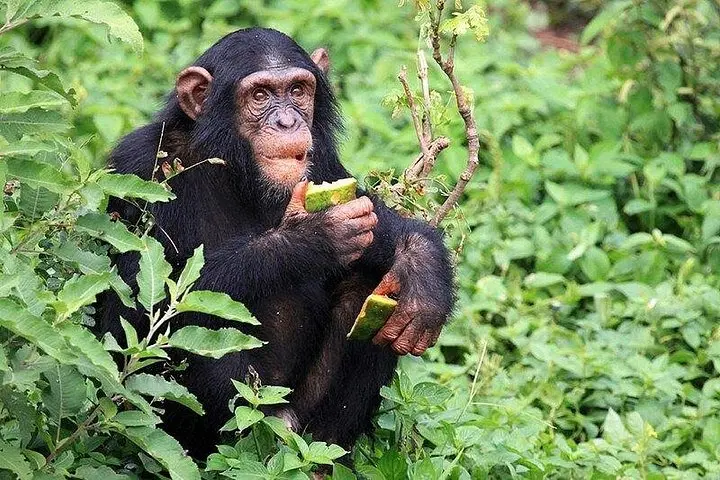
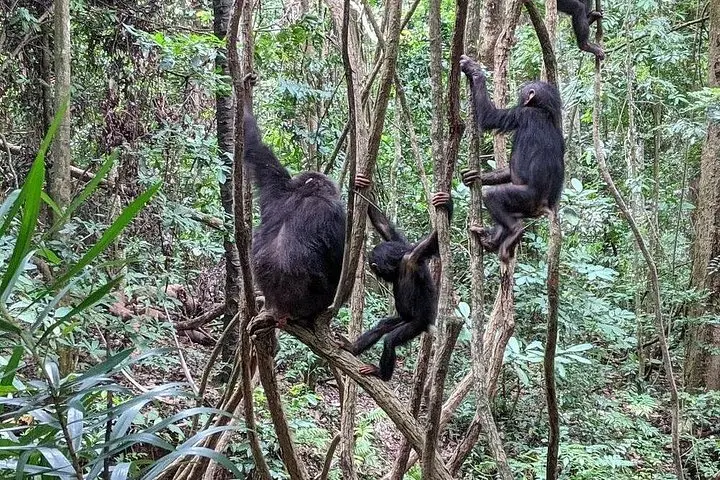
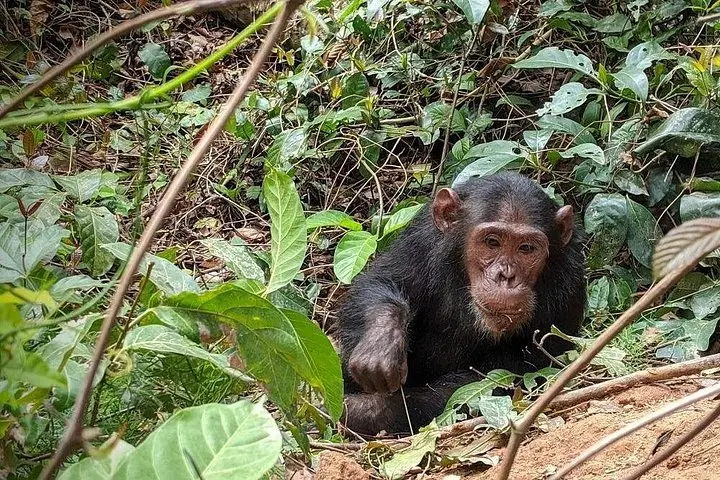
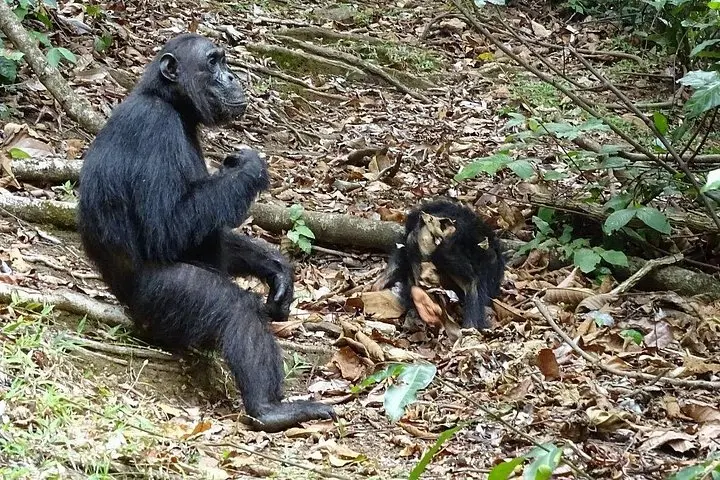
The sun leans low over Lake Tanganyika as a small boat cuts a silver path toward the forested spine of Gombe. Salt air and lake spray mingle with humid, green breath from the trees; the river of canopy ahead seems to shift, as if the forest itself is watching. On arrival the path narrows, rangers kneel to whisper coordinates, and the forest’s living energy pulses with chittering calls and leaves brushed by chimpanzee movement.
The sun leans low over Lake Tanganyika as a small boat cuts a silver path toward the forested spine of Gombe. Salt air and lake spray mingle with humid, green breath from the trees; the river of canopy ahead seems to shift, as if the forest itself is watching. On arrival the path narrows, rangers kneel to whisper coordinates, and the forest’s living energy pulses with chittering calls and leaves brushed by chimpanzee movement.
Gombe Stream National Park became world-famous as Jane Goodall’s long-term field site, where decades of behavioral research reshaped primatology. Geologically, Gombe sits on the rift margin of East Africa—steep valleys drop to Lake Tanganyika, one of the world’s oldest freshwater basins—and the park’s steep stream-cut ravines create the trails and viewpoints trekkers follow. Culturally, the nearby town of Ujiji preserves the memory of Stanley and Livingstone; the Livingstone Memorial on the lakefront is a brisk, reflective stop between wildlife days.
Practically, expect guided, ranger-led treks that can range from gentle shoreline walks to steeper, damp forest climbs; chimp sightings are never guaranteed but are brilliantly intimate when they happen. Bring sturdy footwear that grips on wet roots, a light rain layer, insect protection, and a pair of binoculars. Plan for short boat transfers across the lake and early starts to catch chimp activity and cooler light. Respect ranger distance rules for chimp welfare, carry water, and pack out any trash—this is sensitive habitat with ongoing conservation priorities. Four days here is compact but rich: a blend of field science, shoreline sunsets, and close-up wildlife that rewards curiosity and careful preparation.