THE ADVENTURE COLLECTIVE® · Independent discovery and booking for outdoor travel

A full-day combination of Dakar city landmarks and the storied Île de Gorée: colonial markets, the House of Slaves, the African Renaissance monument and a short ferry crossing. Expect cobbled streets, ocean wind and a thoughtful, history-rich itinerary.
A full-day combination of Dakar city landmarks and the storied Île de Gorée: colonial markets, the House of Slaves, the African Renaissance monument and a short ferry crossing. Expect cobbled streets, ocean wind and a thoughtful, history-rich itinerary.
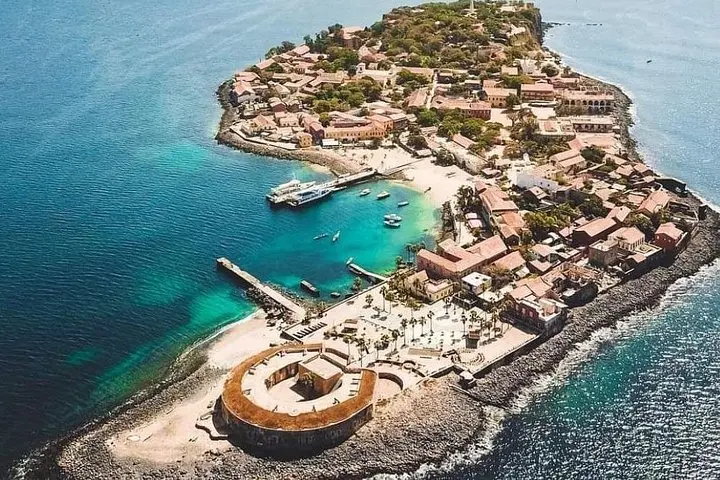
You step off a short ferry into a wind that pulls at your hat and seems to speak of tides and time. Narrow cobblestone lanes slope toward painted façades; waves lap at low cliffs while gulls circle like thin white punctuation. The island’s compact streets reward slow walking — every turn reveals a courtyard, a faded plaque, or a low church bell that marks the rhythm of the day.
Verified experiences and guided adventures in the surrounding area.
Operated by Agsil Senegal Travel Tour · Gorée (Île de Gorée), Dakar Region
You step off a short ferry into a wind that pulls at your hat and seems to speak of tides and time. Narrow cobblestone lanes slope toward painted façades; waves lap at low cliffs while gulls circle like thin white punctuation. The island’s compact streets reward slow walking — every turn reveals a courtyard, a faded plaque, or a low church bell that marks the rhythm of the day.
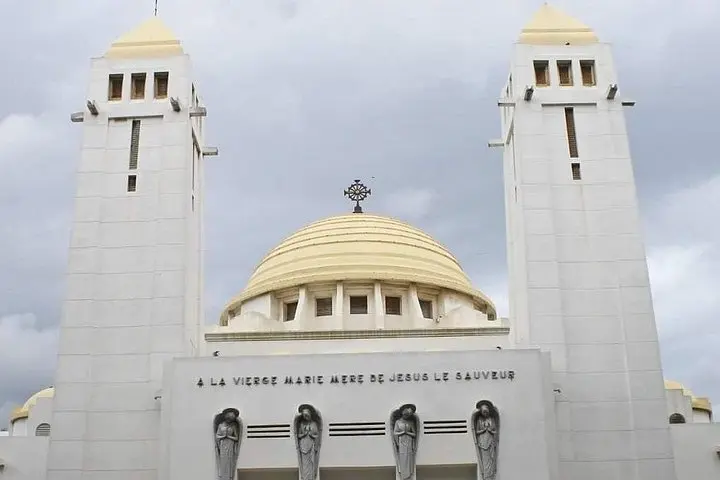
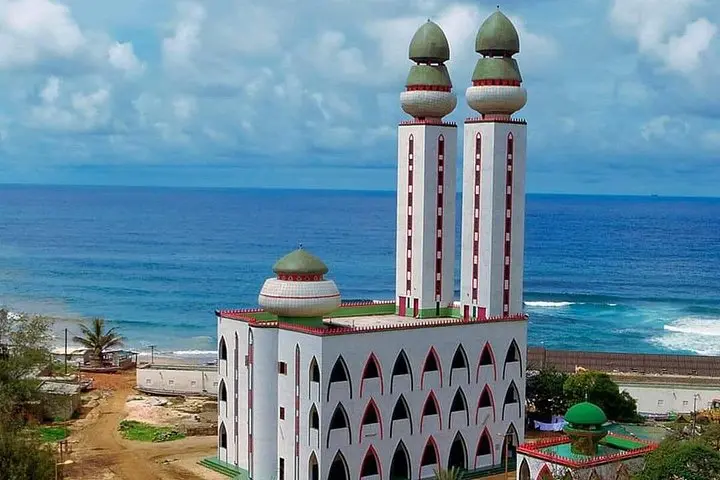
Gorée Island is a UNESCO World Heritage Site and one of West Africa’s most visible links to the Atlantic slave trade. The island’s ochre houses and carved wooden doors reflect centuries of colonial occupation; Dakar’s Plateau district, by contrast, shows modern Senegalese life in markets, cathedrals and the Monument of African Renaissance on the peninsula’s high ground. Geologically, the peninsula is a rocky outcrop shaped by Atlantic currents that push and polish the shore, offering exposed cliffs, small sandy beaches and strong onshore winds.
Culturally you’ll pass Kermel Market’s bright stalls and the Presidential Palace’s stately lawns, then climb Monument stairs for a wide view of the city. Local Lebou fishermen still haul nets at dawn; street vendors sell grilled fish, bissap and fresh mangoes.
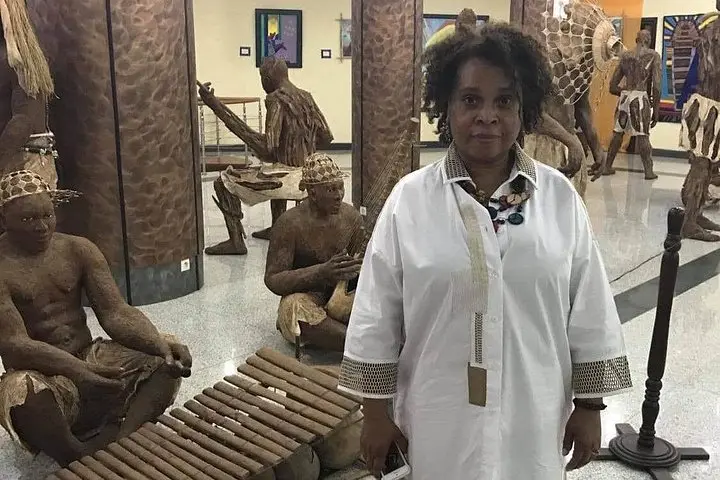
Practical guidance: the day runs about 7–8 hours and includes a short boat crossing, walking on uneven cobbles and stair climbs (Monument ~198 steps). Start early to avoid midday heat, carry cash for small purchases, wear sturdy shoes and sun protection, and expect guided commentary at key sites. The island’s museums are compact but solemn — move respectfully and leave time for a quiet moment at the House of Slaves.
The ferry is a standard passenger service; this tour includes the boat transfer. Operators use licensed boats and crossings are brief but can be choppy in high wind.
Dakar portions include wheelchair-accessible areas and transport; Gorée’s narrow cobbles and stairs limit full accessibility in some spots, though key viewpoints are reachable with assistance.
Lunch is typically not included; guides will recommend island restaurants near the waterfront where you can order fresh seafood or local dishes at your own expense.
No passport is required for the short domestic ferry from Dakar to Gorée, but carry identification and any required documentation for your main travel plans.
Agsil Senegal Travel Tour operates guided outdoor trips and adventures with an emphasis on safety, stewardship, and memorable experiences.
You step off a short ferry into a wind that pulls at your hat and seems to speak of tides and time. Narrow cobblestone lanes slope toward painted façades; waves lap at low cliffs while gulls circle like thin white punctuation. The island’s compact streets reward slow walking — every turn reveals a courtyard, a faded plaque, or a low church bell that marks the rhythm of the day.
You step off a short ferry into a wind that pulls at your hat and seems to speak of tides and time. Narrow cobblestone lanes slope toward painted façades; waves lap at low cliffs while gulls circle like thin white punctuation. The island’s compact streets reward slow walking — every turn reveals a courtyard, a faded plaque, or a low church bell that marks the rhythm of the day.
Gorée Island is a UNESCO World Heritage Site and one of West Africa’s most visible links to the Atlantic slave trade. The island’s ochre houses and carved wooden doors reflect centuries of colonial occupation; Dakar’s Plateau district, by contrast, shows modern Senegalese life in markets, cathedrals and the Monument of African Renaissance on the peninsula’s high ground. Geologically, the peninsula is a rocky outcrop shaped by Atlantic currents that push and polish the shore, offering exposed cliffs, small sandy beaches and strong onshore winds.
Culturally you’ll pass Kermel Market’s bright stalls and the Presidential Palace’s stately lawns, then climb Monument stairs for a wide view of the city. Local Lebou fishermen still haul nets at dawn; street vendors sell grilled fish, bissap and fresh mangoes.
Practical guidance: the day runs about 7–8 hours and includes a short boat crossing, walking on uneven cobbles and stair climbs (Monument ~198 steps). Start early to avoid midday heat, carry cash for small purchases, wear sturdy shoes and sun protection, and expect guided commentary at key sites. The island’s museums are compact but solemn — move respectfully and leave time for a quiet moment at the House of Slaves.