THE ADVENTURE COLLECTIVE® · Independent discovery and booking for outdoor travel

Combine a moving cultural visit to Gorée Island with the off-road thrill of Lac Rose. This full-day tour from Dakar pairs UNESCO-listed history with pink-hued salt flats and a classic 4x4 dune run.
Combine a moving cultural visit to Gorée Island with the off-road thrill of Lac Rose. This full-day tour from Dakar pairs UNESCO-listed history with pink-hued salt flats and a classic 4x4 dune run.
You step off a motor launch into a pocket of Atlantic wind and cobbled lanes where calcareous houses lean close to the sea. Streets here move at the pace of conversation: fishermen mending nets, café doors thrown open to the light, and the hush that falls at the Maison des Esclaves.
Verified experiences and guided adventures in the surrounding area.
Operated by Djibril Dieng · Dakar, Dakar Region
You step off a motor launch into a pocket of Atlantic wind and cobbled lanes where calcareous houses lean close to the sea. Streets here move at the pace of conversation: fishermen mending nets, café doors thrown open to the light, and the hush that falls at the Maison des Esclaves.
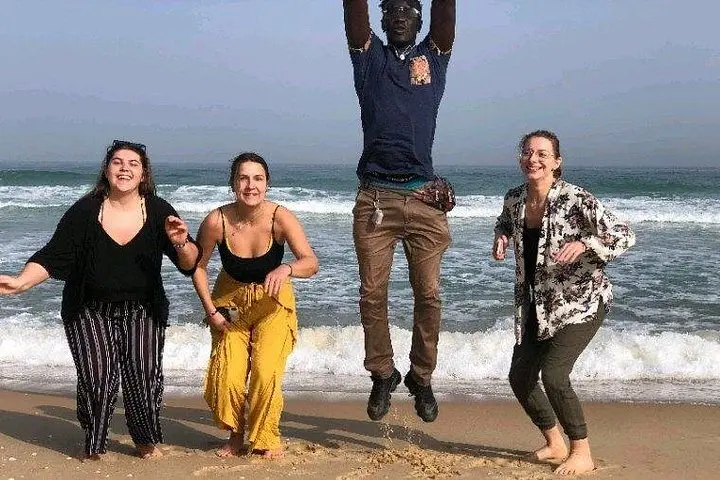
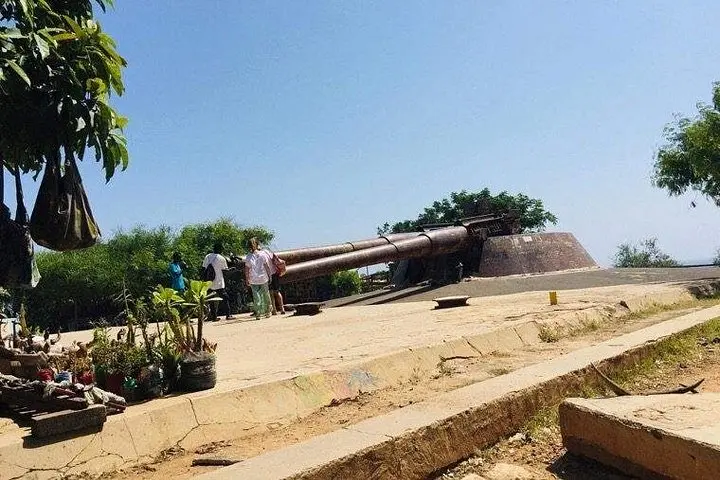
Gorée Island holds a sharp past — an entry point in West Africa’s slave trade and a UNESCO World Heritage Site since 1978 — its colonial stonework and narrow alleys keeping those memories visible. The landscape shifts north: Lac Rose (Lac Retba) is a shallow, high-salinity lake whose color can shift with algae and salt concentration. The lakeshore and adjacent dunes became famous during the Paris–Dakar rally; today the same tracks offer a brisk 4x4 ride along wind-sculpted sand and the beach.
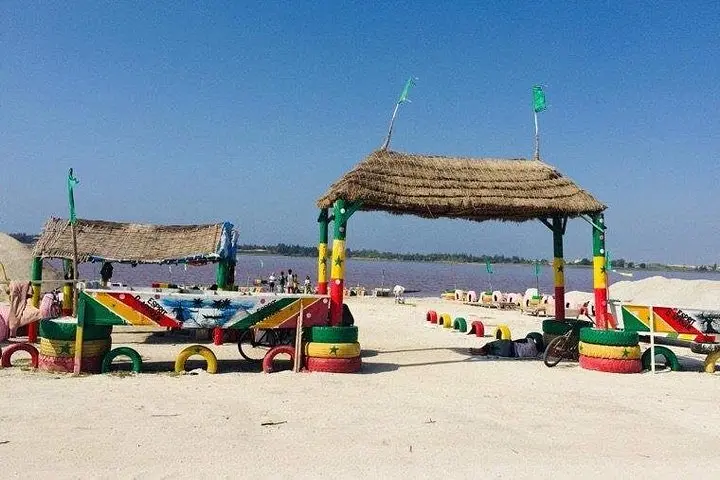
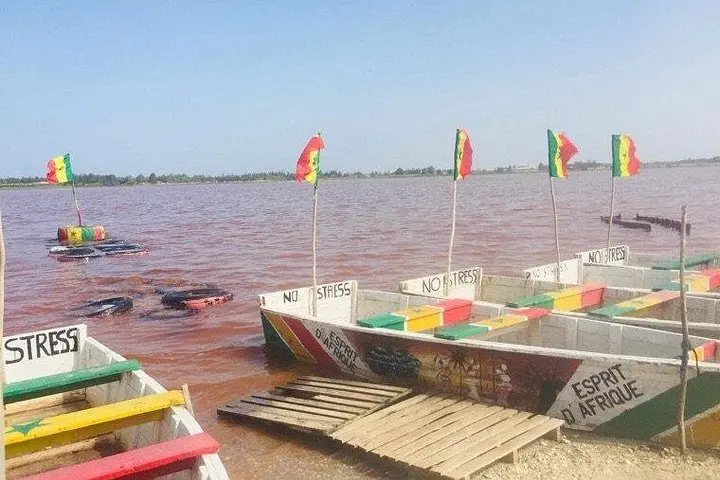
Culturally the day links solemn reflection and local industry: Gorée’s museums and memorials counterpoint the rhythm of salt harvesters at Lac Rose, where men gather salt in traditional boats and piles like small white islands.
Practical guidance: depart early for cooler light and calmer water; bring your passport for island entry and cash for small purchases. Expect a 9-hour day with moderate walking, uneven stone lanes, and dune bounces in a 4x4. Sun protection, plenty of water, and closed-toe shoes make the day easier; be prepared to float in the lake’s salty water rather than swim. Respect memorial sites and local workers, and leave artifacts where you find them.
Yes — a passport or national ID is required for the boat transfer and island access; keep it with you throughout the day.
You can float in Lac Rose due to its high salinity, but it’s not a traditional swim—avoid getting salt in your eyes and rinse off after with fresh water if available.
The tour includes private transport and applicable fees and taxes per the itinerary; check your booking confirmation for exact inclusions.
No — the operator advises this tour is not recommended for pregnant travelers or those with significant cardiovascular issues due to boat transfers, sand driving, and physical demands.
Djibril Dieng operates guided outdoor trips and adventures with an emphasis on safety, stewardship, and memorable experiences.
You step off a motor launch into a pocket of Atlantic wind and cobbled lanes where calcareous houses lean close to the sea. Streets here move at the pace of conversation: fishermen mending nets, café doors thrown open to the light, and the hush that falls at the Maison des Esclaves.
You step off a motor launch into a pocket of Atlantic wind and cobbled lanes where calcareous houses lean close to the sea. Streets here move at the pace of conversation: fishermen mending nets, café doors thrown open to the light, and the hush that falls at the Maison des Esclaves.
Gorée Island holds a sharp past — an entry point in West Africa’s slave trade and a UNESCO World Heritage Site since 1978 — its colonial stonework and narrow alleys keeping those memories visible. The landscape shifts north: Lac Rose (Lac Retba) is a shallow, high-salinity lake whose color can shift with algae and salt concentration. The lakeshore and adjacent dunes became famous during the Paris–Dakar rally; today the same tracks offer a brisk 4x4 ride along wind-sculpted sand and the beach.
Culturally the day links solemn reflection and local industry: Gorée’s museums and memorials counterpoint the rhythm of salt harvesters at Lac Rose, where men gather salt in traditional boats and piles like small white islands.
Practical guidance: depart early for cooler light and calmer water; bring your passport for island entry and cash for small purchases. Expect a 9-hour day with moderate walking, uneven stone lanes, and dune bounces in a 4x4. Sun protection, plenty of water, and closed-toe shoes make the day easier; be prepared to float in the lake’s salty water rather than swim. Respect memorial sites and local workers, and leave artifacts where you find them.