THE ADVENTURE COLLECTIVE® · Independent discovery and booking for outdoor travel

Track mountain gorillas through misty montane forest near Lake Bunyonyi, then connect with community projects that benefit from conservation tourism. Learn what to expect on the trails, how permits and local culture shape the visit, and practical gear and timing tips.
Track mountain gorillas through misty montane forest near Lake Bunyonyi, then connect with community projects that benefit from conservation tourism. Learn what to expect on the trails, how permits and local culture shape the visit, and practical gear and timing tips.
Humidity lifts off the terraced hills as you climb toward the forest edge; mist fingers through bamboo and the forest seems to breathe around you. On a gorilla trek in southwestern Uganda the air grows cooler, and every snapped twig or distant grunt feels intentional — the forest is an active presence that watches and shifts as you move.
Verified experiences and guided adventures in the surrounding area.
Operated by Mambo Safaris · Kabale, Kabale District
Humidity lifts off the terraced hills as you climb toward the forest edge; mist fingers through bamboo and the forest seems to breathe around you. On a gorilla trek in southwestern Uganda the air grows cooler, and every snapped twig or distant grunt feels intentional — the forest is an active presence that watches and shifts as you move.
This landscape formed on the margins of the Western Rift: ancient volcanic activity carved valleys and lakes, including Lake Bunyonyi, and created the steep ridges that channel rain into thick montane forest. The region is home to Bakiga communities and Batwa forest people whose livelihoods and culture are woven into smallholder farms, canoe crossings, and community schools like Loving Hearts Helping Hands Primary.
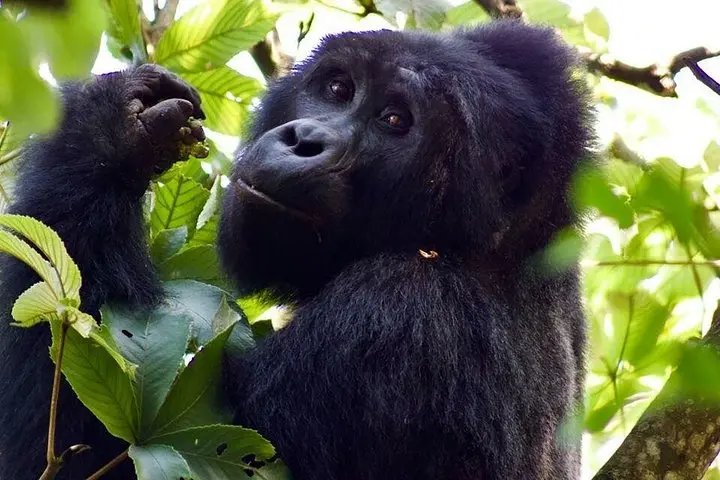
Conservation here has been hard-won. National parks and permit systems limit daily trekkers to reduce stress on mountain gorilla families, and revenue-sharing supports local education and anti-poaching patrols. Expect trails that switch between cultivated slopes and muddy, root-strewn forest — the geology makes for sudden climbs and panoramic clearings.
Practical guidance: book gorilla permits well in advance and arrive with sturdy, waterproof boots; expect 2–6 hours of hiking on variable terrain. Carry at least 2 liters of water, a rain layer, insect repellent and snacks. Follow guides’ instructions exactly — keep a 7-meter distance unless directed otherwise, move slowly, and never feed wildlife. Plan extra days in Kabale or Lake Bunyonyi for acclimatization and community visits—the best experiences mix the close encounter with gorillas and time spent supporting local projects.
Yes — permits are required and managed by park authorities; they must be purchased in advance and are limited per day.
June–August and December–February are generally drier with firmer trails, but gorilla viewing is possible year-round with proper gear.
Treks can be physically demanding and vary; young children and those with serious mobility issues may find the terrain challenging—consult guides and consider shorter, community-based activities.
Revenue from permits and tours funds conservation, employment, and local projects such as schools; many operators also offer community visits that directly support education and services.
Mambo Safaris operates guided outdoor trips and adventures with an emphasis on safety, stewardship, and memorable experiences.
Humidity lifts off the terraced hills as you climb toward the forest edge; mist fingers through bamboo and the forest seems to breathe around you. On a gorilla trek in southwestern Uganda the air grows cooler, and every snapped twig or distant grunt feels intentional — the forest is an active presence that watches and shifts as you move.
Humidity lifts off the terraced hills as you climb toward the forest edge; mist fingers through bamboo and the forest seems to breathe around you. On a gorilla trek in southwestern Uganda the air grows cooler, and every snapped twig or distant grunt feels intentional — the forest is an active presence that watches and shifts as you move.
This landscape formed on the margins of the Western Rift: ancient volcanic activity carved valleys and lakes, including Lake Bunyonyi, and created the steep ridges that channel rain into thick montane forest. The region is home to Bakiga communities and Batwa forest people whose livelihoods and culture are woven into smallholder farms, canoe crossings, and community schools like Loving Hearts Helping Hands Primary.
Conservation here has been hard-won. National parks and permit systems limit daily trekkers to reduce stress on mountain gorilla families, and revenue-sharing supports local education and anti-poaching patrols. Expect trails that switch between cultivated slopes and muddy, root-strewn forest — the geology makes for sudden climbs and panoramic clearings.
Practical guidance: book gorilla permits well in advance and arrive with sturdy, waterproof boots; expect 2–6 hours of hiking on variable terrain. Carry at least 2 liters of water, a rain layer, insect repellent and snacks. Follow guides’ instructions exactly — keep a 7-meter distance unless directed otherwise, move slowly, and never feed wildlife. Plan extra days in Kabale or Lake Bunyonyi for acclimatization and community visits—the best experiences mix the close encounter with gorillas and time spent supporting local projects.