THE ADVENTURE COLLECTIVE® · Independent discovery and booking for outdoor travel

Step into Bwindi’s dense, breathing forest to track mountain gorillas—an immersive, regulated wildlife encounter that pairs strenuous hiking with rare, close-range viewing. This guide explains what to expect, how to prepare, and the local conservation context.
Step into Bwindi’s dense, breathing forest to track mountain gorillas—an immersive, regulated wildlife encounter that pairs strenuous hiking with rare, close-range viewing. This guide explains what to expect, how to prepare, and the local conservation context.
Mud clings to boots and the forest breathes around you—deep hums, leaf-litter crunches and distant thumps as a silverback shifts weight among roots. The trail narrows under a green cathedral of moss-draped trees; sunlight slices through gaps in a slow, rhythmic pulse. Trekking here is a sensory negotiation: the forest pushes back with vines and sudden climbs, and rewards you with the slow, intimate reveal of mountain gorillas.
Verified experiences and guided adventures in the surrounding area.
Operated by Kwezi Safaris Ltd · Kisoro, Kanungu District
Mud clings to boots and the forest breathes around you—deep hums, leaf-litter crunches and distant thumps as a silverback shifts weight among roots. The trail narrows under a green cathedral of moss-draped trees; sunlight slices through gaps in a slow, rhythmic pulse. Trekking here is a sensory negotiation: the forest pushes back with vines and sudden climbs, and rewards you with the slow, intimate reveal of mountain gorillas.
Bwindi sits on the western arm of the East African Rift, a patchwork of ancient volcanic soils and steep ridges that trap moisture and created one of Africa’s richest montane forests. The park’s human history is layered: the Batwa people once lived in and from these forests, and modern conservation efforts have paired anti-poaching patrols with community tourism programs to protect gorilla families. Birdlife is prolific — quick flashes of sunbirds and cuckoos — while the forest itself seems to reroute time, every fallen log a small ecosystem.
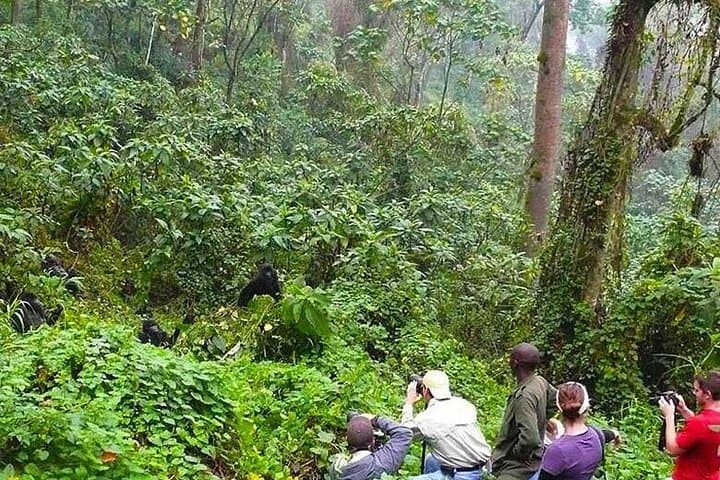
Practical guidance: trekking requires a permit, a steady pair of boots, and a moderate to strong level of fitness — expect 2–8 hours of walking on steep, muddy trails. Most treks are guided and include a strict one-hour viewing limit to minimize stress on gorillas. Carry water, rain protection and insect repellent; leave food and scented items behind. Respect ranger instructions: keep distance, move calmly, and mask up if you’re ill — gorillas are vulnerable to human illness. Early morning starts and dry-season windows (June–September) give firmer trails, but trackers work year-round. When planning, factor in travel time from Kisoro or Ruhija and allow for contingency: weather and gorilla movements dictate the day’s rhythm.
Trek time varies—some groups are nearby (1–2 hours), others require 6–8 hours searching through steep forest; guides aim to locate habituated groups efficiently.
A gorilla permit grants supervised access to a habituated group; viewing is limited to one hour per visit to minimize stress on the animals.
Safety depends on fitness and mobility; many operators set age minimums and recommend porters for those who need extra help—pregnant visitors and people with serious back or heart issues are generally advised not to trek.
June–September are the driest months and offer firmer trails; however gorilla encounters are possible year-round—expect wetter, muddier conditions during the rainy seasons.
Kwezi Safaris Ltd operates guided outdoor trips and adventures with an emphasis on safety, stewardship, and memorable experiences.
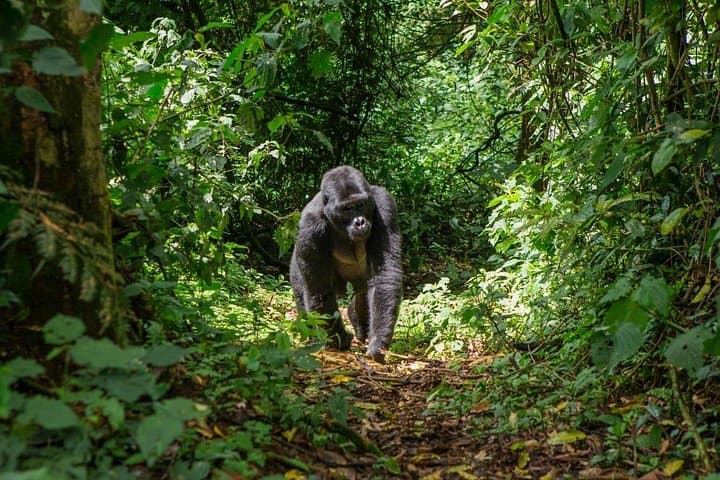
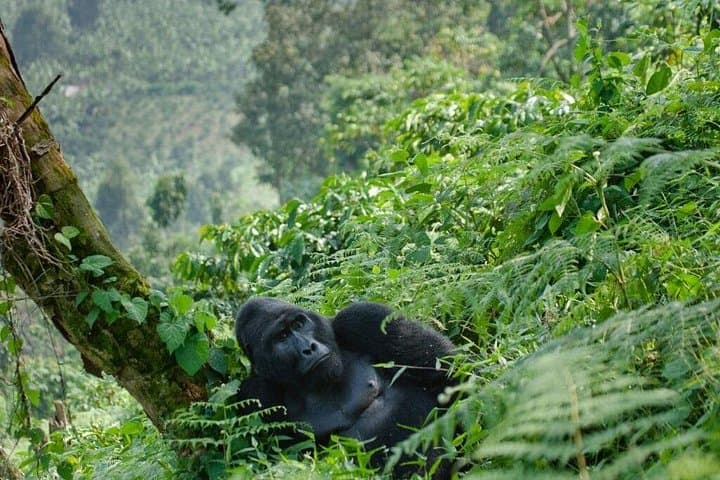
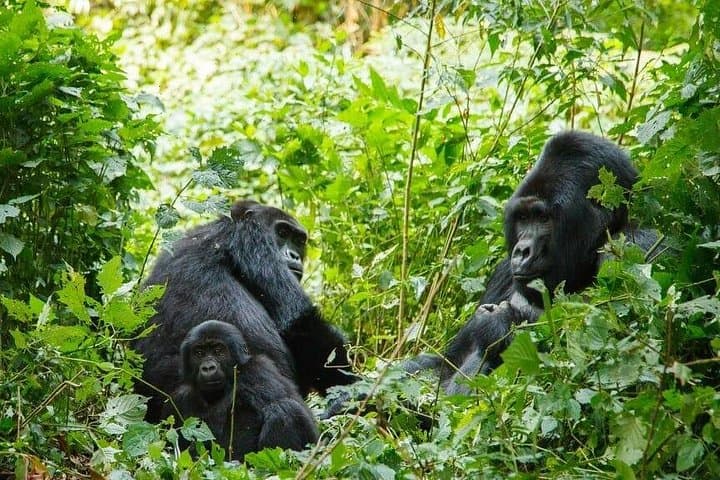
Mud clings to boots and the forest breathes around you—deep hums, leaf-litter crunches and distant thumps as a silverback shifts weight among roots. The trail narrows under a green cathedral of moss-draped trees; sunlight slices through gaps in a slow, rhythmic pulse. Trekking here is a sensory negotiation: the forest pushes back with vines and sudden climbs, and rewards you with the slow, intimate reveal of mountain gorillas.
Mud clings to boots and the forest breathes around you—deep hums, leaf-litter crunches and distant thumps as a silverback shifts weight among roots. The trail narrows under a green cathedral of moss-draped trees; sunlight slices through gaps in a slow, rhythmic pulse. Trekking here is a sensory negotiation: the forest pushes back with vines and sudden climbs, and rewards you with the slow, intimate reveal of mountain gorillas.
Bwindi sits on the western arm of the East African Rift, a patchwork of ancient volcanic soils and steep ridges that trap moisture and created one of Africa’s richest montane forests. The park’s human history is layered: the Batwa people once lived in and from these forests, and modern conservation efforts have paired anti-poaching patrols with community tourism programs to protect gorilla families. Birdlife is prolific — quick flashes of sunbirds and cuckoos — while the forest itself seems to reroute time, every fallen log a small ecosystem.
Practical guidance: trekking requires a permit, a steady pair of boots, and a moderate to strong level of fitness — expect 2–8 hours of walking on steep, muddy trails. Most treks are guided and include a strict one-hour viewing limit to minimize stress on gorillas. Carry water, rain protection and insect repellent; leave food and scented items behind. Respect ranger instructions: keep distance, move calmly, and mask up if you’re ill — gorillas are vulnerable to human illness. Early morning starts and dry-season windows (June–September) give firmer trails, but trackers work year-round. When planning, factor in travel time from Kisoro or Ruhija and allow for contingency: weather and gorilla movements dictate the day’s rhythm.