THE ADVENTURE COLLECTIVE® · Independent discovery and booking for outdoor travel

Move slowly through mossy forest to meet one of the planet's most endangered mammals. This practical guide outlines what to expect on a gorilla trek in Volcanoes National Park — from terrain and etiquette to booking and gear.
Move slowly through mossy forest to meet one of the planet's most endangered mammals. This practical guide outlines what to expect on a gorilla trek in Volcanoes National Park — from terrain and etiquette to booking and gear.
Mist hangs low in the upper montane forest as a small group moves slowly between bamboo stands and thick lobelia, the path opening only when a guide parts hanging vines. The air is thin, damp and alive with bird calls; somewhere above, the ridgelines of the Virunga volcanoes cut a serrated horizon. This is Gorilla trekking in Volcanoes National Park — close, deliberate, and unforgettable.
Verified experiences and guided adventures in the surrounding area.
Operated by Rwanda Best View Tours · Musanze, Northern Province
Mist hangs low in the upper montane forest as a small group moves slowly between bamboo stands and thick lobelia, the path opening only when a guide parts hanging vines. The air is thin, damp and alive with bird calls; somewhere above, the ridgelines of the Virunga volcanoes cut a serrated horizon. This is Gorilla trekking in Volcanoes National Park — close, deliberate, and unforgettable.
Volcanoes National Park sits on the Rwandan flank of the Virunga Mountains, a chain of ancient volcanoes whose soils feed dense, mossy forests that support mountain gorillas. Human history in the region is recent and intimate: conservation programs and community-based tourism helped stabilize gorilla populations and fund local development after decades of conflict. Rangers, researchers and trackers combine traditional knowledge with modern monitoring to protect roughly one-third of the world's remaining mountain gorillas.
Expect uneven, steep trails, bamboo thickets, and occasional muddy climbs; elevations commonly range from about 2,200–4,500 m on surrounding peaks, so weather shifts fast. Encounters are regulated: short, respectful viewing windows and a safe-distance policy keep gorillas and visitors healthy. Pack for wet conditions, bring sturdy boots and a sense of patience — trekking time varies as gorillas move.
Practically: permits are required and limited, often booked months ahead; a guided visit typically takes most of the day including transport from Musanze. Physical readiness, proper footwear, layered clothing, hydration, and following ranger instructions are essential. The payoff is intimate contact with a species that demands quiet attention — an experience that combines raw wilderness, conservation progress, and cultural connection to local communities.
Yes — a permit is required and limited; obtain it through the Rwanda Development Board or an approved tour operator and book well in advance.
Trekking ranges from moderate to strenuous depending on gorilla locations; expect several hours over uneven, sometimes steep terrain and variable weather.
Minimum age policies commonly apply (typically 15+), and trekking is not recommended for people with serious heart, spinal, or pregnancy-related conditions — follow operator guidance.
Morning pick-up from Musanze, park briefing, the guided trek into the forest, a one-hour viewing period with gorillas, then return to base often with a provided lunch and transport back.
Rwanda Best View Tours operates guided outdoor trips and adventures with an emphasis on safety, stewardship, and memorable experiences.
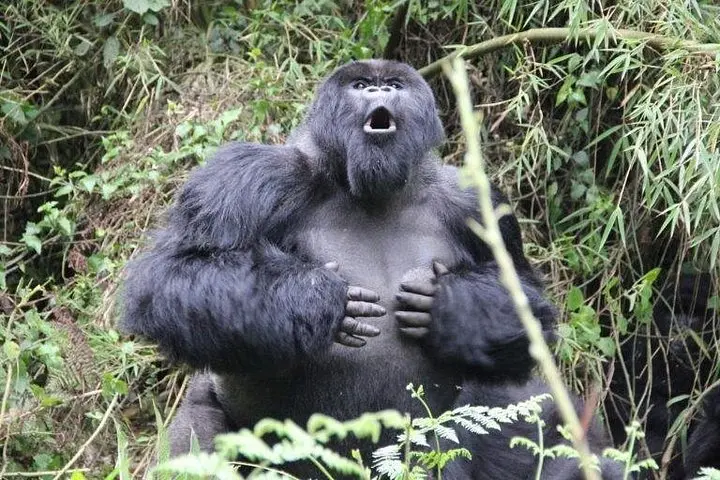
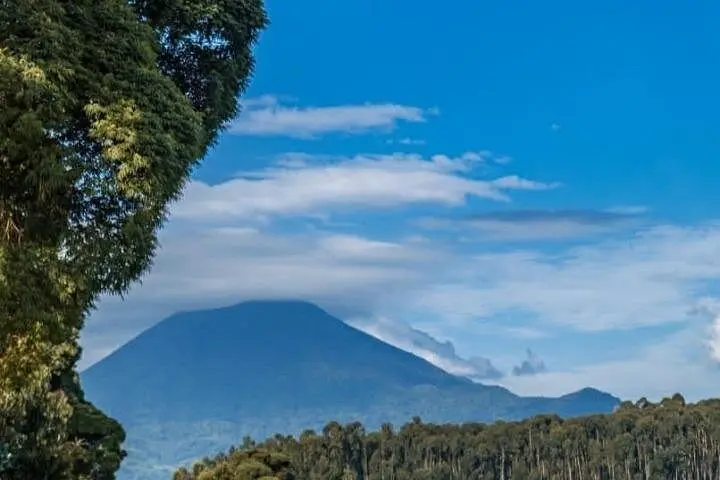
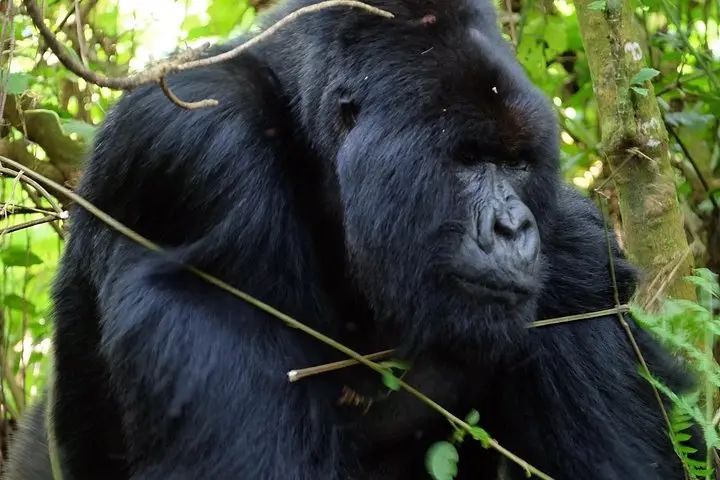
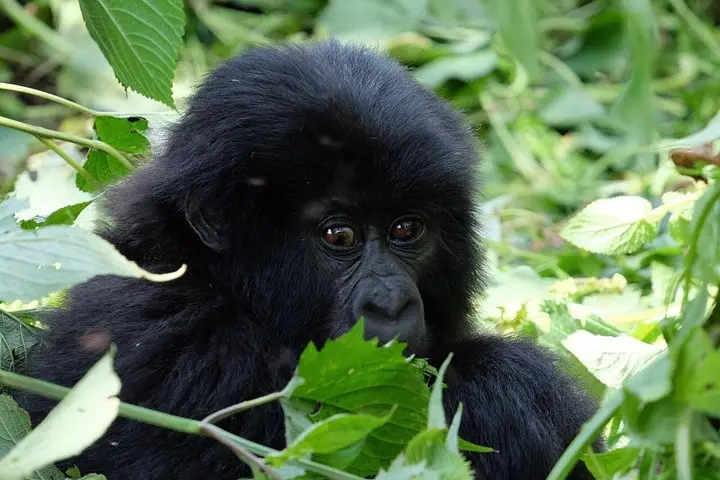
Mist hangs low in the upper montane forest as a small group moves slowly between bamboo stands and thick lobelia, the path opening only when a guide parts hanging vines. The air is thin, damp and alive with bird calls; somewhere above, the ridgelines of the Virunga volcanoes cut a serrated horizon. This is Gorilla trekking in Volcanoes National Park — close, deliberate, and unforgettable.
Mist hangs low in the upper montane forest as a small group moves slowly between bamboo stands and thick lobelia, the path opening only when a guide parts hanging vines. The air is thin, damp and alive with bird calls; somewhere above, the ridgelines of the Virunga volcanoes cut a serrated horizon. This is Gorilla trekking in Volcanoes National Park — close, deliberate, and unforgettable.
Volcanoes National Park sits on the Rwandan flank of the Virunga Mountains, a chain of ancient volcanoes whose soils feed dense, mossy forests that support mountain gorillas. Human history in the region is recent and intimate: conservation programs and community-based tourism helped stabilize gorilla populations and fund local development after decades of conflict. Rangers, researchers and trackers combine traditional knowledge with modern monitoring to protect roughly one-third of the world's remaining mountain gorillas.
Expect uneven, steep trails, bamboo thickets, and occasional muddy climbs; elevations commonly range from about 2,200–4,500 m on surrounding peaks, so weather shifts fast. Encounters are regulated: short, respectful viewing windows and a safe-distance policy keep gorillas and visitors healthy. Pack for wet conditions, bring sturdy boots and a sense of patience — trekking time varies as gorillas move.
Practically: permits are required and limited, often booked months ahead; a guided visit typically takes most of the day including transport from Musanze. Physical readiness, proper footwear, layered clothing, hydration, and following ranger instructions are essential. The payoff is intimate contact with a species that demands quiet attention — an experience that combines raw wilderness, conservation progress, and cultural connection to local communities.