THE ADVENTURE COLLECTIVE® · Independent discovery and booking for outdoor travel

Track mountain gorillas in Bwindi’s misted forest, then unwind on the terraced hills and island-studded waters of Lake Bunyonyi. This 3-day route combines intense wildlife encounters with restorative lakeside views—perfect for travelers who want both adrenaline and calm.
Track mountain gorillas in Bwindi’s misted forest, then unwind on the terraced hills and island-studded waters of Lake Bunyonyi. This 3-day route combines intense wildlife encounters with restorative lakeside views—perfect for travelers who want both adrenaline and calm.
A damp morning light threads through giant figs as you step from your lodge into Bwindi’s close-canopied forest. The air holds wet earth and the low chatter of birds; trails narrow into animal tracks that wind up steep ridges and through tangles of vines. Rangers, map in hand and radios crackling, guide you toward the silverbacks—curious, deliberate, impossibly human in their gestures.
Verified experiences and guided adventures in the surrounding area.
Operated by Hail Tours Uganda · Kabale, Kabale District
A damp morning light threads through giant figs as you step from your lodge into Bwindi’s close-canopied forest. The air holds wet earth and the low chatter of birds; trails narrow into animal tracks that wind up steep ridges and through tangles of vines. Rangers, map in hand and radios crackling, guide you toward the silverbacks—curious, deliberate, impossibly human in their gestures.
Bwindi Impenetrable National Park is ancient rainforest: a product of Rift Valley geology and highland rainfall that supports over 300 mountain gorillas. The cultural landscape around Bwindi and nearby Lake Bunyonyi is shaped by Bakiga hill farming—terraced gardens and banana groves that frame 29 quiet islands. Bunyonyi’s rim offers calm water and views at 2,200–2,478 m elevation, a gentler counterpoint to the vertical, muddy work of gorilla tracking.
Expect full days: a pre-dawn briefing, variable trekking time (3–9 hours) through slippery, steep terrain, and a strict one-hour encounter when you find a group. After the forest, the itinerary shifts to restorative pace—boat rides, island viewpoints, and a swim in the cool lake.
Practicalities: secure a gorilla permit well in advance; wear waterproof boots, gaiters, and layers for rapid weather shifts; carry at least 2 liters of water, snacks, insect repellent, and a light rain shell. Altitude and rough paths mean a moderate fitness baseline; porters are available for steep or prolonged sections. Plan your return flight late afternoon on day three to allow for road travel times. This three-day loop pairs the raw intensity of primate encounters with the quiet, highland calm of Bunyonyi.
Trekking time varies with gorilla movements—typical outings range from 3 to 9 hours from briefing to return; the time you spend with gorillas is strictly one hour.
Yes—mountain gorilla permits are required, limited in number, and must be purchased in advance through authorized channels.
The trek can be physically demanding on steep, muddy terrain; children and those with mobility challenges should consult guides—porters can assist but close physical limits still apply.
Routine vaccinations plus yellow fever proof for travel to Uganda are often required; consult a travel clinic for up-to-date advice and malaria prevention.
Hail Tours Uganda operates guided outdoor trips and adventures with an emphasis on safety, stewardship, and memorable experiences.
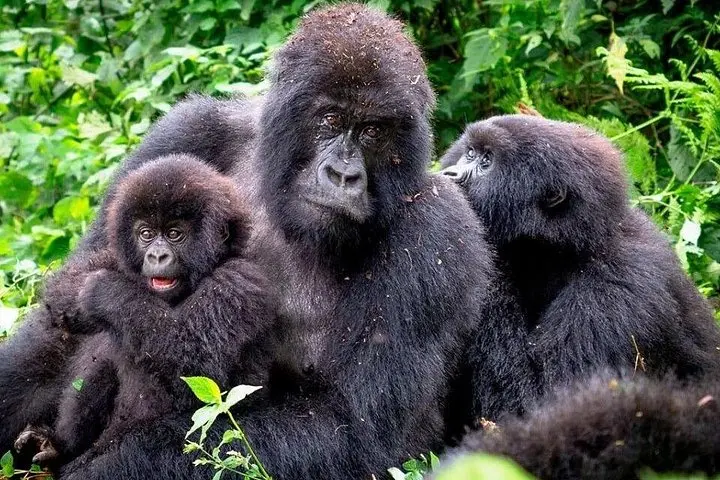
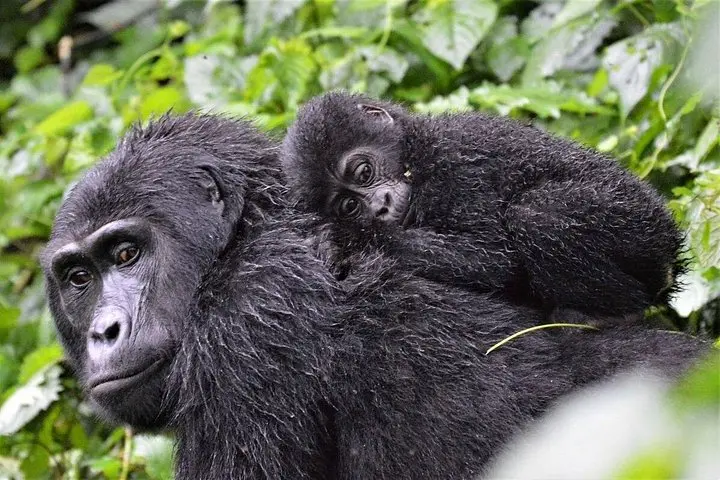
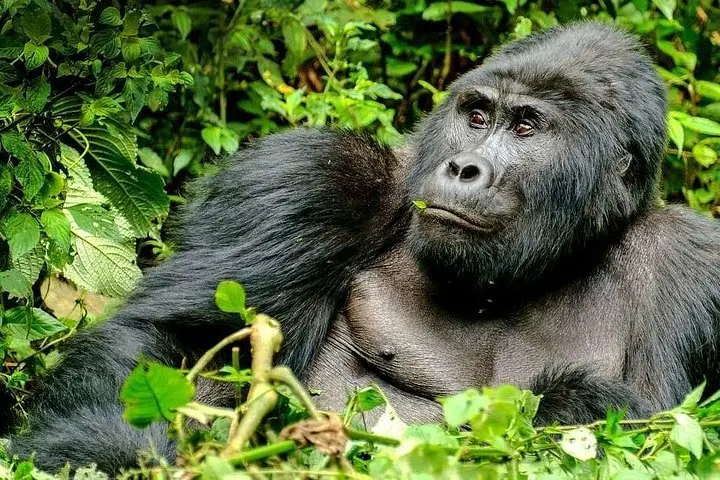
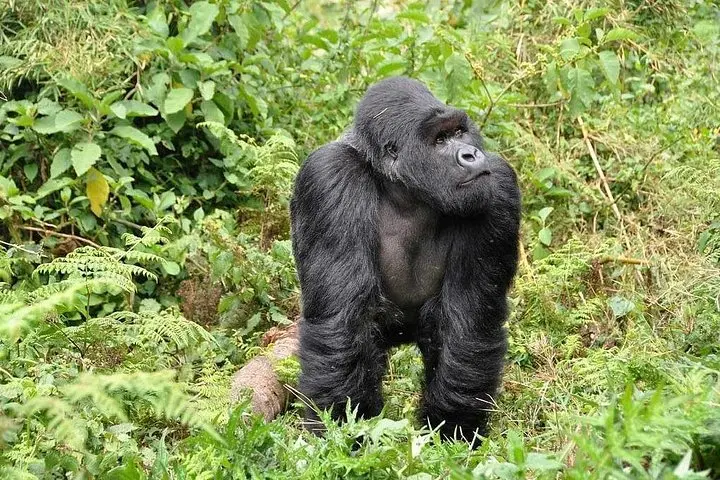
A damp morning light threads through giant figs as you step from your lodge into Bwindi’s close-canopied forest. The air holds wet earth and the low chatter of birds; trails narrow into animal tracks that wind up steep ridges and through tangles of vines. Rangers, map in hand and radios crackling, guide you toward the silverbacks—curious, deliberate, impossibly human in their gestures.
A damp morning light threads through giant figs as you step from your lodge into Bwindi’s close-canopied forest. The air holds wet earth and the low chatter of birds; trails narrow into animal tracks that wind up steep ridges and through tangles of vines. Rangers, map in hand and radios crackling, guide you toward the silverbacks—curious, deliberate, impossibly human in their gestures.
Bwindi Impenetrable National Park is ancient rainforest: a product of Rift Valley geology and highland rainfall that supports over 300 mountain gorillas. The cultural landscape around Bwindi and nearby Lake Bunyonyi is shaped by Bakiga hill farming—terraced gardens and banana groves that frame 29 quiet islands. Bunyonyi’s rim offers calm water and views at 2,200–2,478 m elevation, a gentler counterpoint to the vertical, muddy work of gorilla tracking.
Expect full days: a pre-dawn briefing, variable trekking time (3–9 hours) through slippery, steep terrain, and a strict one-hour encounter when you find a group. After the forest, the itinerary shifts to restorative pace—boat rides, island viewpoints, and a swim in the cool lake.
Practicalities: secure a gorilla permit well in advance; wear waterproof boots, gaiters, and layers for rapid weather shifts; carry at least 2 liters of water, snacks, insect repellent, and a light rain shell. Altitude and rough paths mean a moderate fitness baseline; porters are available for steep or prolonged sections. Plan your return flight late afternoon on day three to allow for road travel times. This three-day loop pairs the raw intensity of primate encounters with the quiet, highland calm of Bunyonyi.